
Dr. Semih Kumluk on LinkedIn: Human-in-the-Loop (HITL) AI: The Future of Ethical and Responsible AI
As artificial intelligence revolutionizes industries, the importance of human oversight grows. The Human-in-the-Loop (HITL) approach is changing how we build and implement AI systems, ensuring human expertise remains central to decision-making.
While AI excels at repetitive tasks, it struggles with nuances and ethical considerations that humans navigate well. HITL combines automation with human input, allowing businesses to benefit from AI efficiency while preserving quality and safety where human judgment is irreplaceable.

The Importance of HITL in Key Fields
HITL is crucial in sensitive sectors like:
- Healthcare: AI can analyze medical data, but doctors make final decisions based on patient history and ethical concerns.
- Finance: AI flags anomalies, but human experts verify before actions are taken to ensure accuracy.
- Legal and Compliance: AI streamlines tasks, but legal experts ensure proper application of laws.
Why is HITL gaining attention in 2024? With AI advancements, there's a focus on responsibility and trust. HITL ensures continuous monitoring and alignment with human values, making it essential for ethical AI deployment.

HITL also combats AI bias by involving humans in decision-making to correct biases that could lead to unfair outcomes. This is vital in industries like insurance and hiring where AI decisions impact lives.
The Evolution of HITL and Responsible AI
As we progress into 2024, HITL shapes responsible AI by ensuring human authority as machines take on more tasks. This approach is crucial for operational success and public trust in AI systems.

AI is not just about speed but also about thoughtfulness in problem-solving, marking a significant shift in AI development.
Shaping the Future of Education with AI Competency Framework for Students
UNESCO introduces a global AI Competency Framework for Students to prepare the next generation as responsible AI citizens and creators in today's AI-driven world.
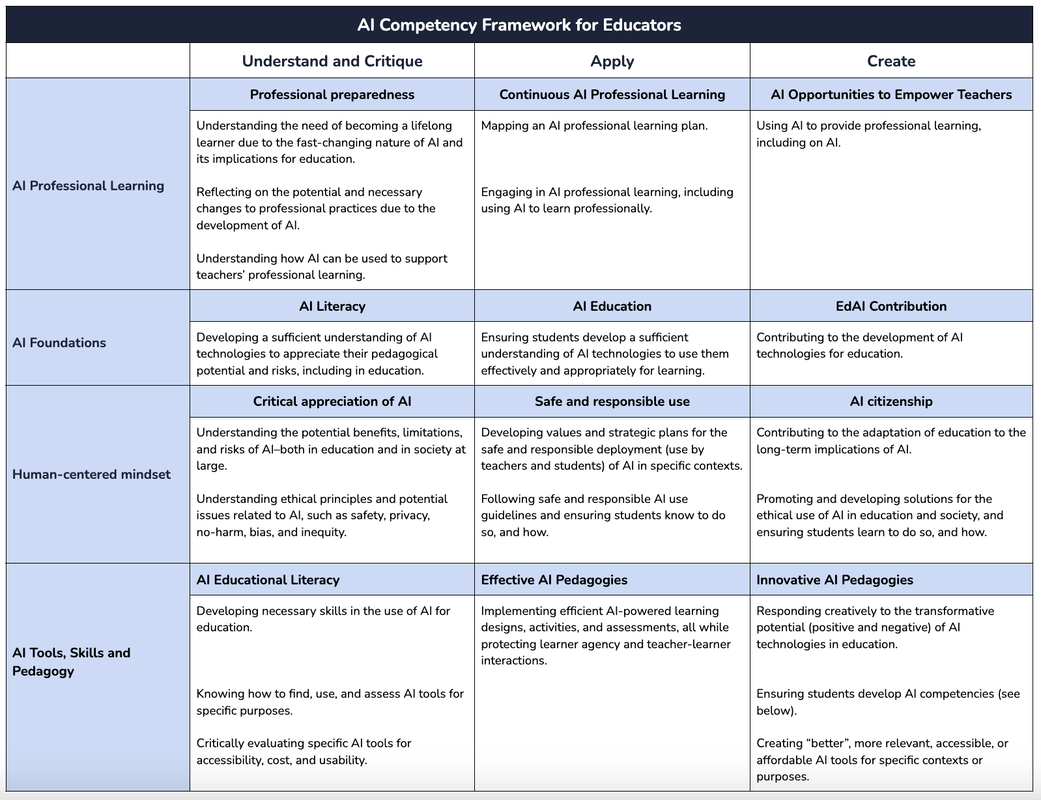
Key features of the framework include empowering students as AI co-creators, focusing on human-centered AI, emphasizing ethics and sustainability, and providing three levels of learning: Understand, Apply, and Create.
As AI becomes ubiquitous, ethical education on AI is essential for students to contribute meaningfully to its development while upholding ethical practices.


