AI-Powered Slaughterbots vs. ChatGPT: A Deep Dive
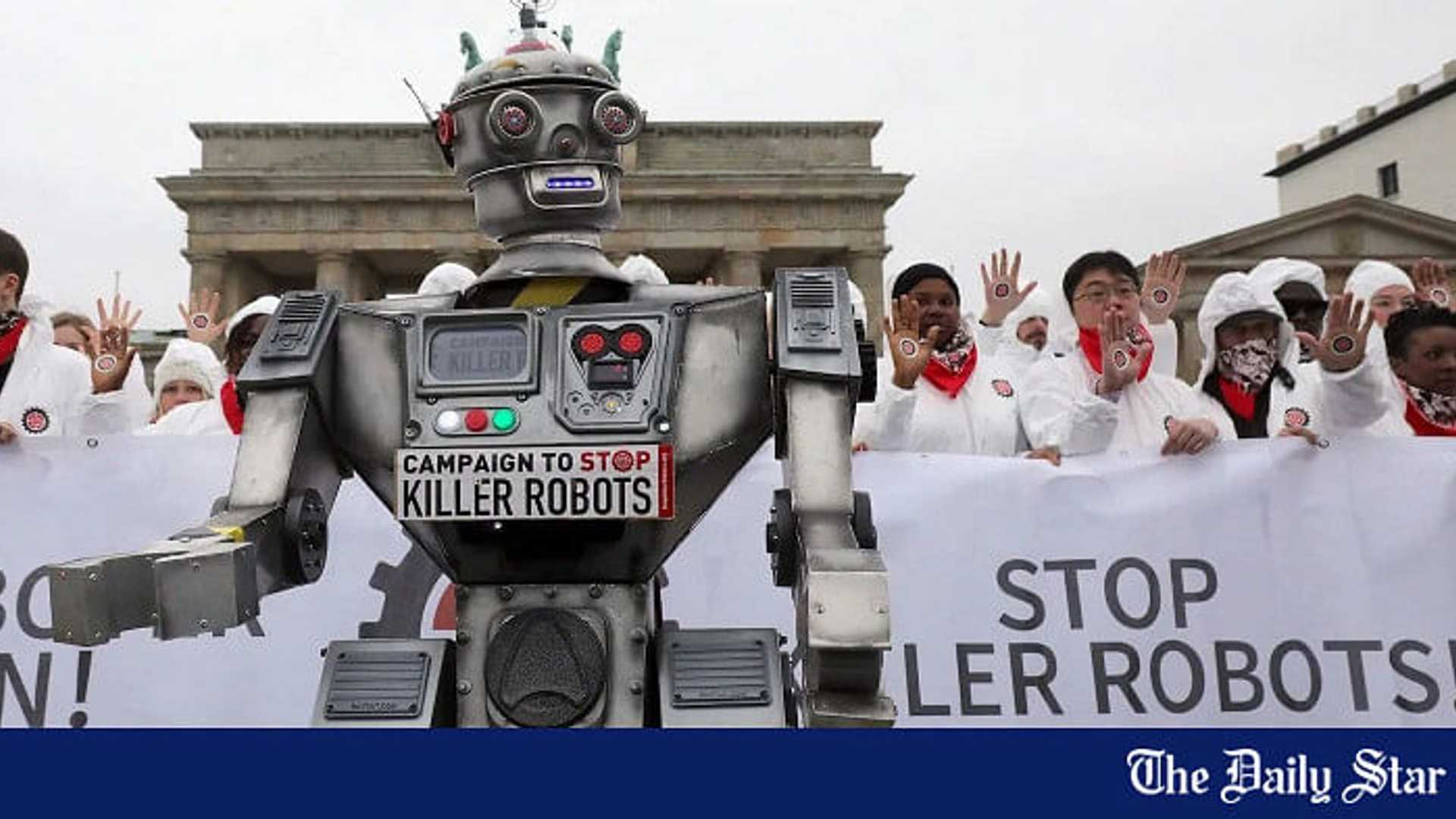
Recently, there has been a lot of buzz surrounding ChatGPT, which is often considered harmless and even entertaining. However, the real cause for concern lies in the realm of Artificial Intelligence (AI) powered autonomous weapons, commonly referred to as slaughterbots, that have the capability to independently target and eliminate individuals.
The Evolution of Autonomous Weapons Systems
When Isaac Asimov penned down the laws of robotics in 1942, the concept of killer robots was not on the horizon. Fast forward to the present day, and Lethal Autonomous Weapons Systems (LAWS), or slaughterbots, equipped with AI technology, have the ability to select and engage targets without human intervention.

The Rise of Killer Robots
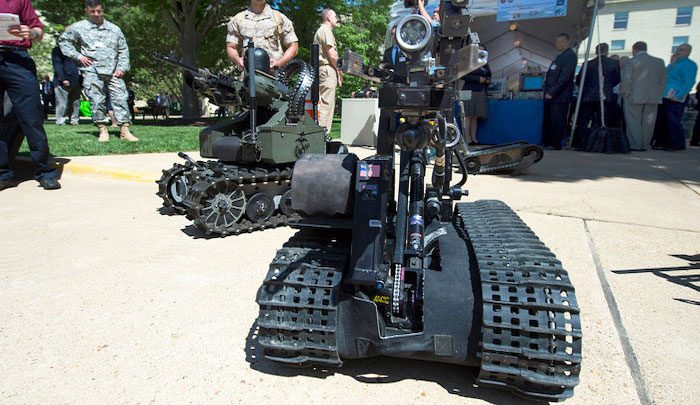
Unlike conventional unmanned drones that require human operators to make decisions, slaughterbots operate autonomously, identifying and attacking targets with precision. These AI-powered weapons have been deployed in various conflicts, showcasing their deadly efficiency in combat scenarios.
The Impact of AI in Warfare
In recent incidents, drones equipped with AI technology have been used to carry out targeted attacks in conflict zones, revolutionizing the nature of warfare. Countries like Turkey have leveraged AI-powered drones to patrol borders and assist in military operations, ushering in a new era of autonomous warfare.
Ethical Implications and Accountability
One of the major concerns surrounding AI-powered slaughterbots is the ethical dilemma they pose. As AI continues to advance, the potential for misuse by non-state actors and terrorist groups raises alarming questions about accountability and the ethical boundaries of autonomous weapons.
The Role of International Regulations
UN Secretary General Antonio Guterres has condemned the use of autonomous machines in warfare, emphasizing the need for international regulations to prohibit such technology. However, major global powers remain reluctant to endorse a ban on LAWS, citing their strategic advantages in modern warfare.
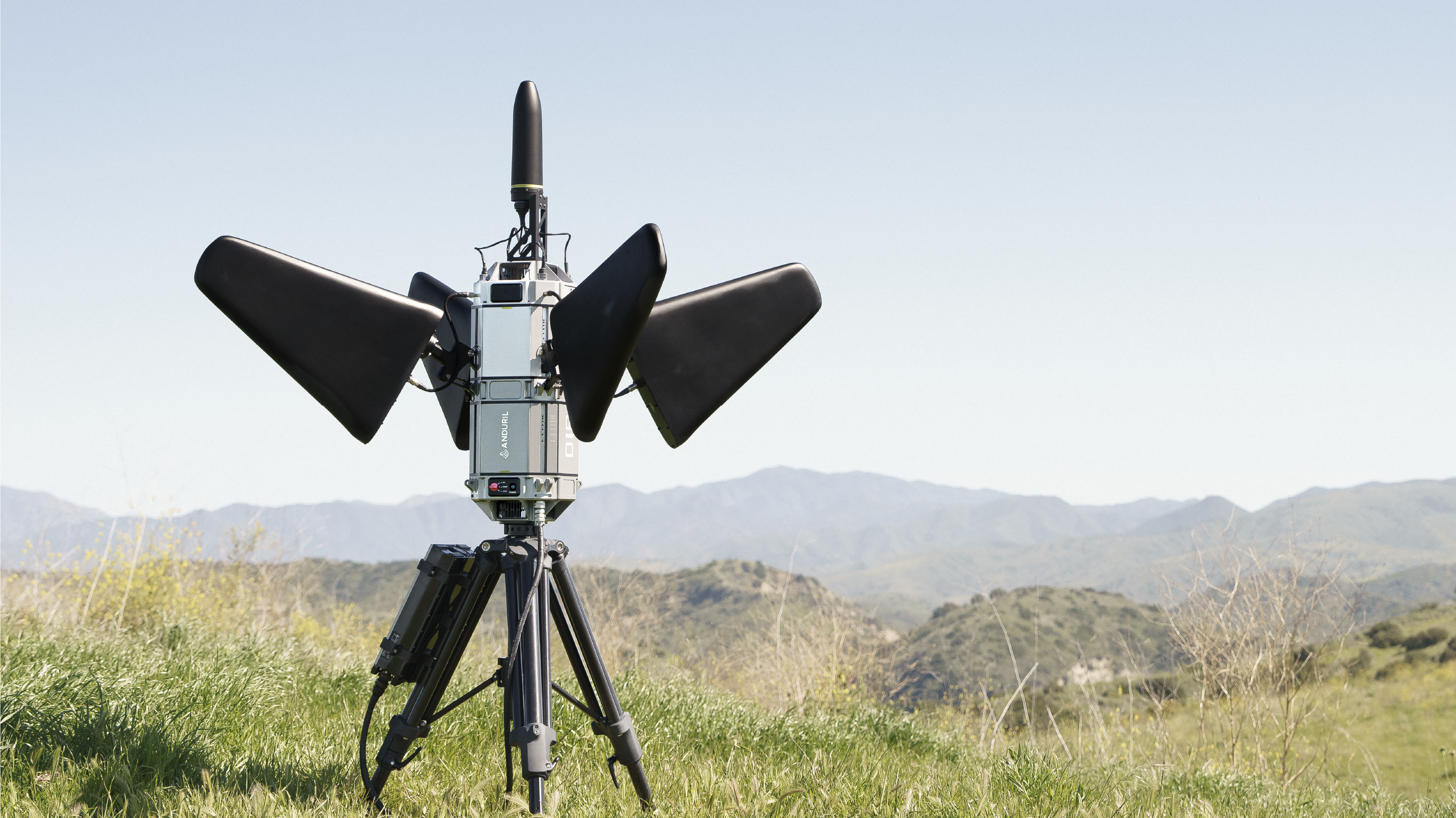
As the debate on the use of AI-powered weapons continues, the implications of relinquishing decision-making powers to algorithms raise critical questions about the future of warfare and the inherent risks associated with autonomous systems.