
AI might be powerful, but can be 'shockingly stupid' on some tasks ...
The AI Action Summit in Paris recently concluded, with participation from over 100 countries, including New Zealand. One of the focal points discussed was the effectiveness of artificial intelligence (AI) despite the significant financial investments made in the technology.
The Power and Limits of AI
AI excels in tasks like pattern recognition and can simulate human activities with remarkable precision. However, issues arise with generative AI, specifically large language models (LLMs), which often produce unpredictable outcomes. Researchers, including Nouha Dziri from the Allen Institute for AI, have raised concerns about the fundamental limitations of today's LLMs. While they excel in certain tasks, they can be 'shockingly stupid' in others. 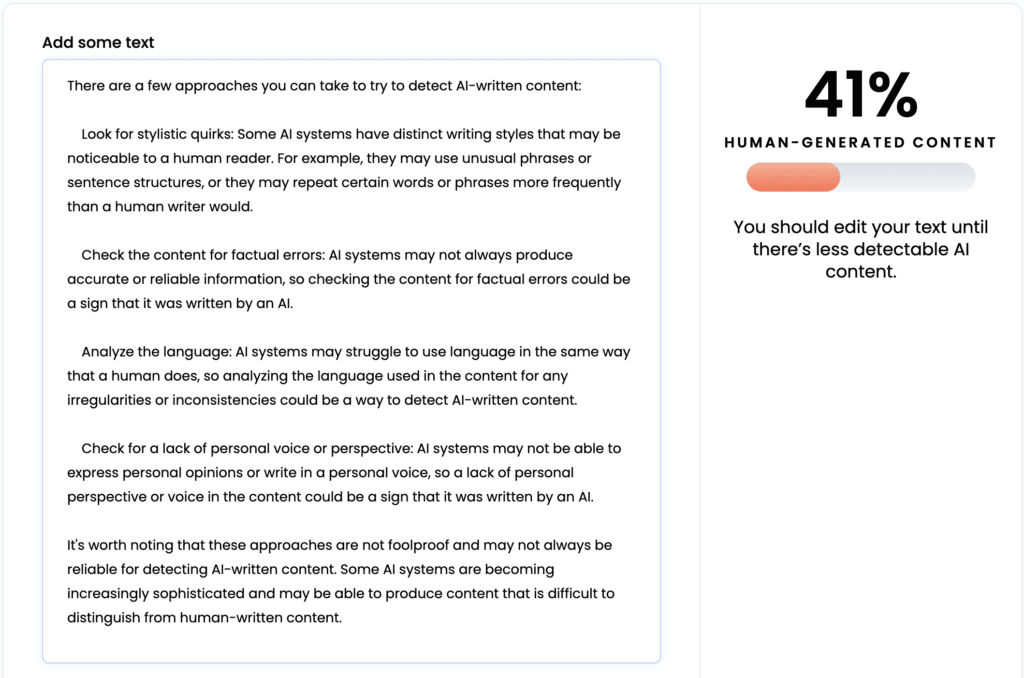
A recent Quanta Magazine article explores this phenomenon, highlighting the challenges of reasoning beyond the training data for LLMs.
The Quirks of AI Behavior
One notable example of AI shortcomings is its struggle to accurately count certain characters in words. For instance, most LLMs have difficulty determining the number of "r"s in a word like "strawberry." This limitation stems from how AI processes words into tokens, leading to errors in character count.
Similarly, AI's tendency to miscount characters extends to nonsensical words like "wartberry." While data scientists can decipher these errors, the complexity of AI processes remains obscure to the general population, creating a reliance on AI-generated content without critical evaluation. 
AI in the Legal Realm
The legal profession has also felt the impact of AI, with pressure mounting on lawyers to adopt AI technologies or risk falling behind. However, the misuse of AI tools can have serious consequences, as demonstrated by a recent legal case in Australia. 
In this case, a legal representative unknowingly incorporated fabricated legal citations generated by an AI tool into court submissions, leading to severe repercussions. The incident underscores the importance of comprehensive verification and caution when utilizing AI in legal contexts.
Challenges and Controversies in AI Development
Despite advancements in AI technology, concerns persist regarding its reliability and transparency. The emergence of LLMs as a dominant AI paradigm has sparked debates within the industry, with differing opinions on the efficacy of current approaches.
Notable figures like Yann LeCun from Meta have advocated for alternative AI methodologies that prioritize human-like learning processes over generative models. This divergence in AI development strategies reflects ongoing uncertainties surrounding the future trajectory of AI technology.
In conclusion, while AI continues to evolve and offer new possibilities, it is essential to address its inherent limitations and ethical implications. Striking a balance between innovation and ethical considerations is crucial to harnessing the full potential of AI for societal benefit.


