
Cheating – News, Research and Analysis – The Conversation ...
Cheating is a pervasive issue that has been studied across various disciplines. From academic dishonesty to infidelity in relationships, the act of cheating raises ethical questions and challenges societal norms.
Research on Cheating Behavior
Several researchers have delved into the psychology behind cheating behavior. Studies have shown that individuals who cheat often justify their actions through cognitive dissonance and moral disengagement. Understanding these underlying mechanisms can help in developing interventions to prevent cheating.
Effects of Cheating
Cheating can have far-reaching consequences, both personally and professionally. In academic settings, students who cheat not only compromise their own learning but also devalue the efforts of their peers.
In relationships, infidelity can lead to trust issues and emotional distress.
Addressing Cheating in Society
Addressing cheating requires a multi-faceted approach that involves education, enforcement of rules, and promoting ethical behavior. By fostering a culture of integrity and accountability, we can work towards reducing instances of cheating in various aspects of life.
Expert Opinions on Cheating
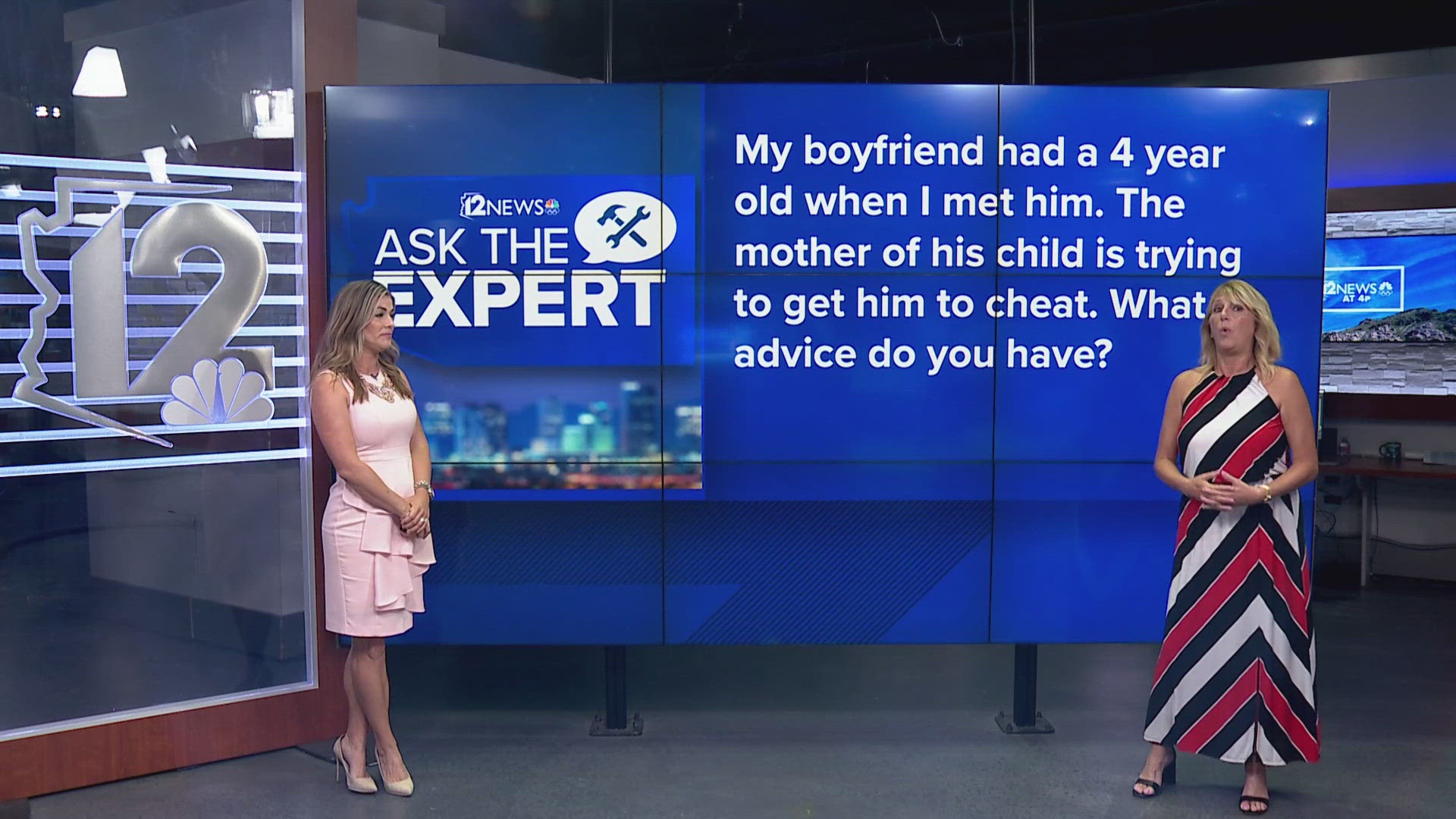
Experts from different fields, such as psychology, education, and ethics, offer valuable insights into the nature of cheating and how to combat it. Their perspectives can shed light on the complexities surrounding cheating behavior and inform strategies for prevention.
Conclusion
Cheating remains a complex phenomenon that continues to challenge individuals and institutions. Through research, analysis, and collaborative efforts, we can strive towards a society that upholds honesty and integrity, ultimately reducing the prevalence of cheating.
The Conversation US, Inc.


