Paywalls Closing In: What the Google algorithm leak tells us about ...
Some of us have faint memories of a Google search result page that seemed to be earnestly bringing us the parts of the internet that could best answer our question. At least that's how it felt before 2018. 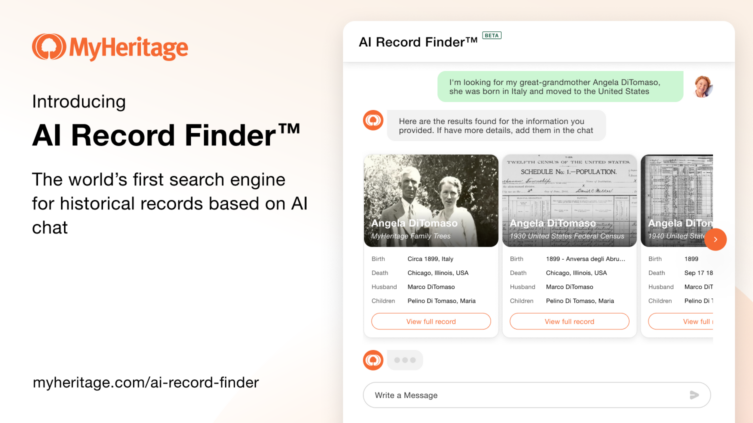
As the behemoth grew, though, and their profits soared, discerning searchers knew to skip the first few sponsored posts … and a map ... and faq, videos, helpful answers … and now:
Businesses aren’t happy doing all this hoop jumping. Consumers aren’t happy they’re constantly reminded of bald-faced algorithmic manipulation. Let’s face it: the internet sucks now.
The Future of Google's Algorithm
The specifics of the long-guessed-at search prioritization algorithm getting out might seem like a crisis for Google… but what if it’s actually a purposeful move on the tech giant’s part to start priming us for an AI future that’s actually rather bleak for an online and offline world?
What if Google wants us to lose even more trust in search results? 
The current SEO landscape is bad for Google’s bottom line. The algorithm leak only accelerates a problem Google already has. Every customer I've spoken with in the last 6 months casually states, as if a fact of life, that Google Paid Search Ads are full of bots, competitors, and taking even less of client budgets with the arrival of real competition in this space.
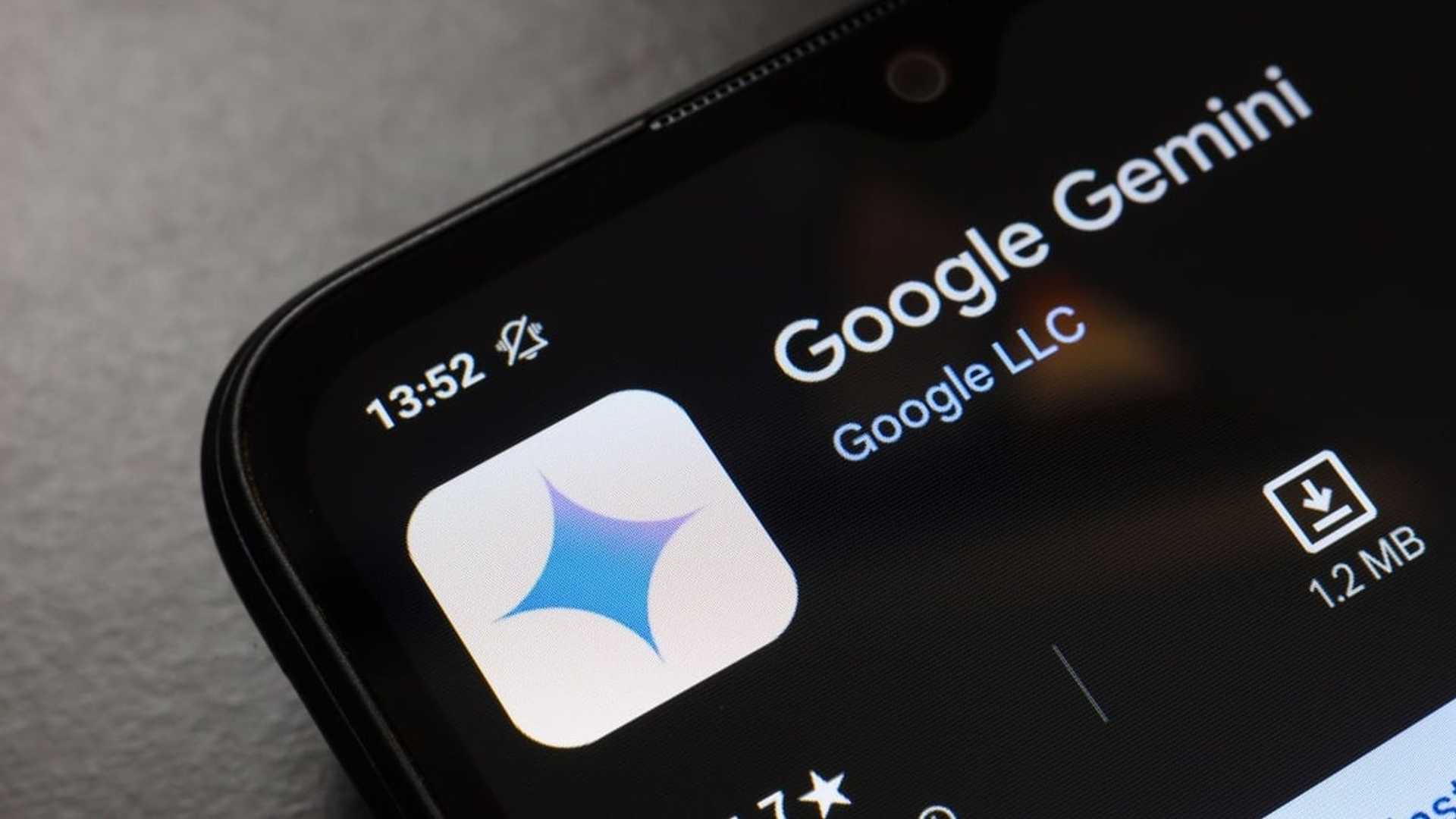
User experience is down. And so is market share. Tech news doesn’t happen in a vacuum. The average Google user knows organic search is becoming more and more influenced by algorithm manipulation, and that’s tiring. They’ll want a better way to search the internet, a new way to search the internet … and given the way Google's been marketing their Gemini AI, they’re prepared to fill that need.
This new world is Conversational-like products focused on answering questions and enabling connections. Maybe not indexes of websites. Google will sunset their Organic Search property, and allow users to search and index of the “legacy web,” while internet users now use their chat feature to only see chat conversations or interactions with brands willing to pay for it.
This is beyond cost-per-click. This is pure pay-to-play. 
Hey, $10 for local first results to render to users during a chat conversation isn't such a bad deal is it...
Google’s AI-first chat search could prioritize established brands, while Bing or other platforms might become refuges for those seeking less commercialized indexing. This shift could fundamentally alter the free and open nature of the internet, emphasizing commercial interests over organic discovery.
The Impact on Online Presence
If social media usernames become akin to domain names, the concept of backlinks could evolve, with social verification becoming a critical aspect of online presence. This could lead to a scenario where brands must pay for visibility and credibility, diminishing the role of organic reach and further fraying our weak social fabric.
Human-interaction design, interfaces, design, messaging have distorted our concept of reality. 
The manipulation of search rankings, social media feeds, and online information to direct attention, shape narratives, and reinforce specific ideologies or commercial interests, effectively trained the interfaces we use to perpetuate tailored experiences.
Now that marketing companies and businesses can matter-of-fact use/game SEO techniques and algorithmic insights to dominate search results (thus shifting the payment model away from PPC to Good SEO companies) with favorable content and hacky now-black-hat techniques or even overshadowing competitors with negative information.
Consider, when everyone is doing the same "right thing" how do you create distinction between what a user wants and needs so to generate the right search result among billions?
It takes as much knowledge to know what not to know as it does to know what to know.
Perhaps the real signal all along has been: does this website or company invest in SEO, and do they invest in it enough that 'we Google' could send some other signal related to keeping them just low enough on page one to fire off some meta phenomenology to elicit a powerful need to "just pay to be at the top of Google."
There goes Goggles bottom line... here comes “plumber near me” 2.0 marketing strategies.
Under Gemini, the user is still being manipulated, though they may not feel as much like they are because humans are even worse at detecting manipulation while having discourse... (ha!)
The only difference is that larger companies get even richer. And for bonus points: All digital platforms will leverage user data to create echo chambers that reinforce certain worldviews, making it harder for individuals to encounter diverse perspectives.
This manipulation underscores the dual reality of digital and physical experiences, where the digital realm increasingly dictates how we perceive and interact with the world. Not the other way around.
Do we take a break from reality to jump on TikTok? Or, are we forced to take a break from TikTok to experience a life worth TikToking about?