Meta Unveils Sapiens AI Models for Human Image Analysis - CTOL Digital Solutions
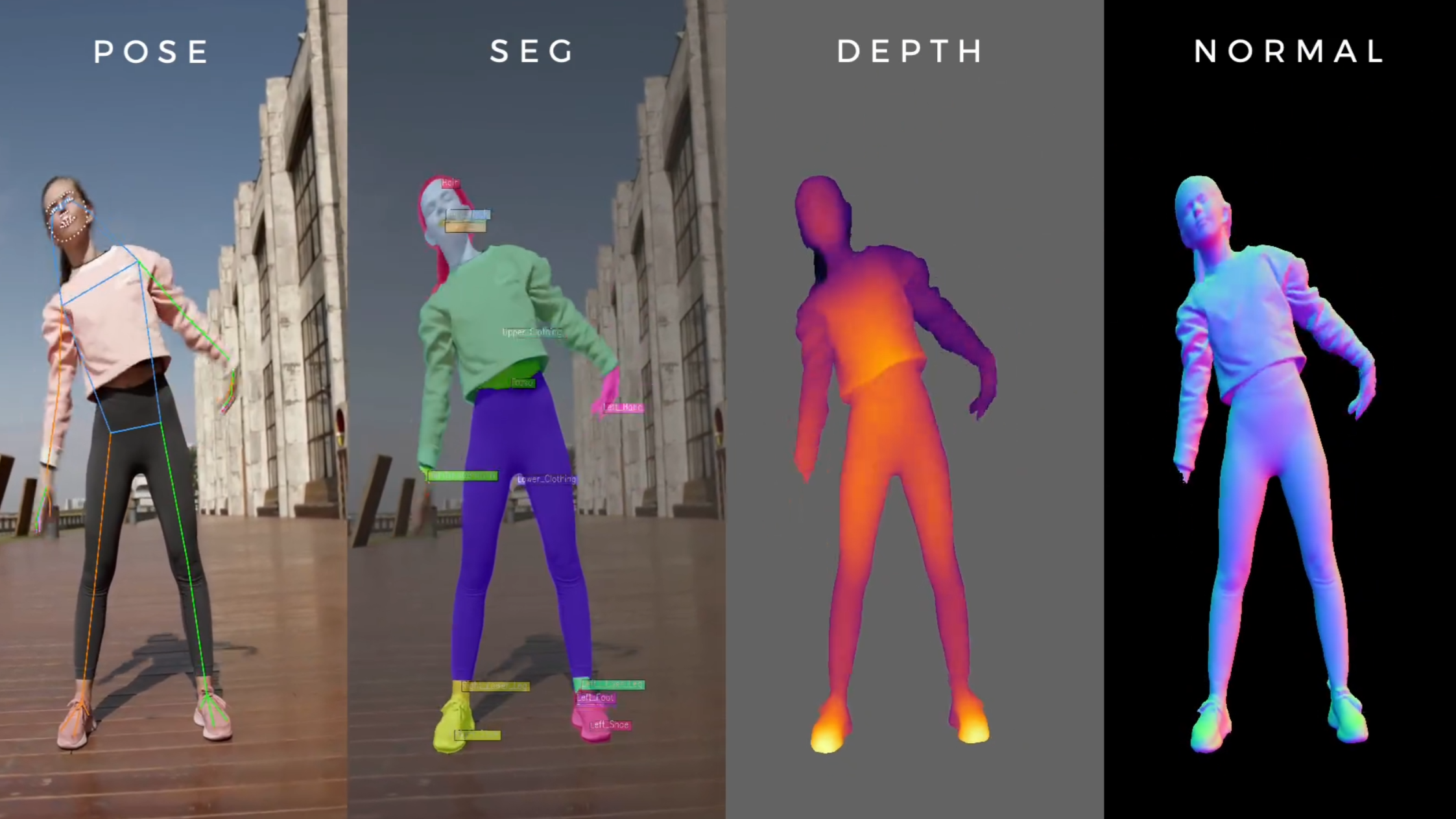
Meta has introduced a groundbreaking family of AI models called "Sapiens," designed to analyze human images with unprecedented accuracy. These models, pre-trained on an extensive dataset of 300 million human images, excel in tasks such as 2D pose estimation, body segmentation, and depth estimation.
The flagship model, Sapiens-2B, boasts 2 billion parameters and has been trained on high-resolution images (1024 x 1024 pixels). This advanced training has resulted in a significant 17% improvement in body segmentation compared to previous methods. Meta claims that Sapiens models outperform existing approaches, particularly in identifying individual body parts within images.
Key features of Sapiens include:
- Superior performance in human-centric vision tasks
- Ability to generalize well in real-world scenarios
-
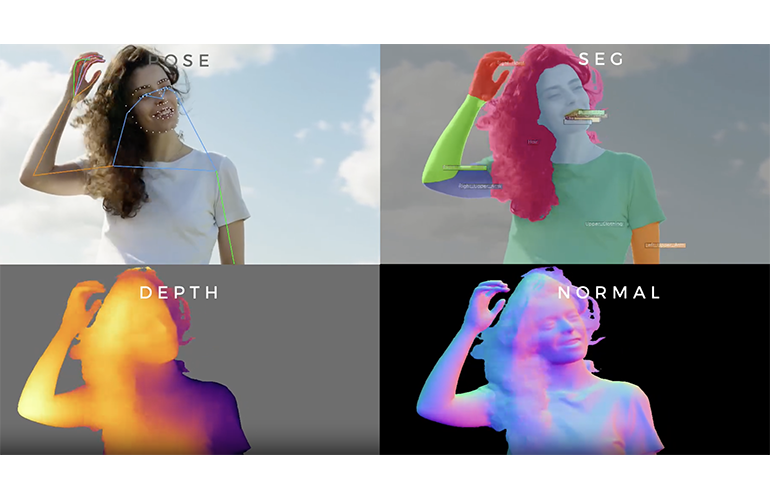 Potential to facilitate large-scale dataset annotation
Meta has made these state-of-the-art models available to the research community via GitHub, acknowledging their potential while recognizing ongoing challenges in handling complex poses, crowded scenes, and occlusions.
The release of Sapiens is seen as a strategic move by Meta to establish a foundational tool for advancing AI-driven human image analysis systems. Experts believe these models could significantly contribute to the development of future AI applications in fields requiring precise human image interpretation.
While Sapiens represents a major leap forward in AI capabilities, researchers acknowledge that further refinement is needed to address remaining challenges in complex visual scenarios. As the AI community explores and builds upon these models, Sapiens is poised to play a crucial role in shaping the future of human-centric computer vision technologies.
Meta's "Sapiens" AI models, equipped with advanced human image analysis capabilities, harbor the potential to substantially influence sectors such as healthcare, surveillance, and virtual reality. The models' precision in body segmentation and pose estimation could potentially enhance medical imaging and human-computer interaction. Nevertheless, concerns surrounding privacy and ethical utilization of detailed human imagery loom large. In the short term, Meta's open-source approach fosters innovation but also carries the risk of misuse. Over the long term, refining the models to handle intricate scenarios like crowds and occlusions will be vital for widespread adoption and in mitigating privacy risks.