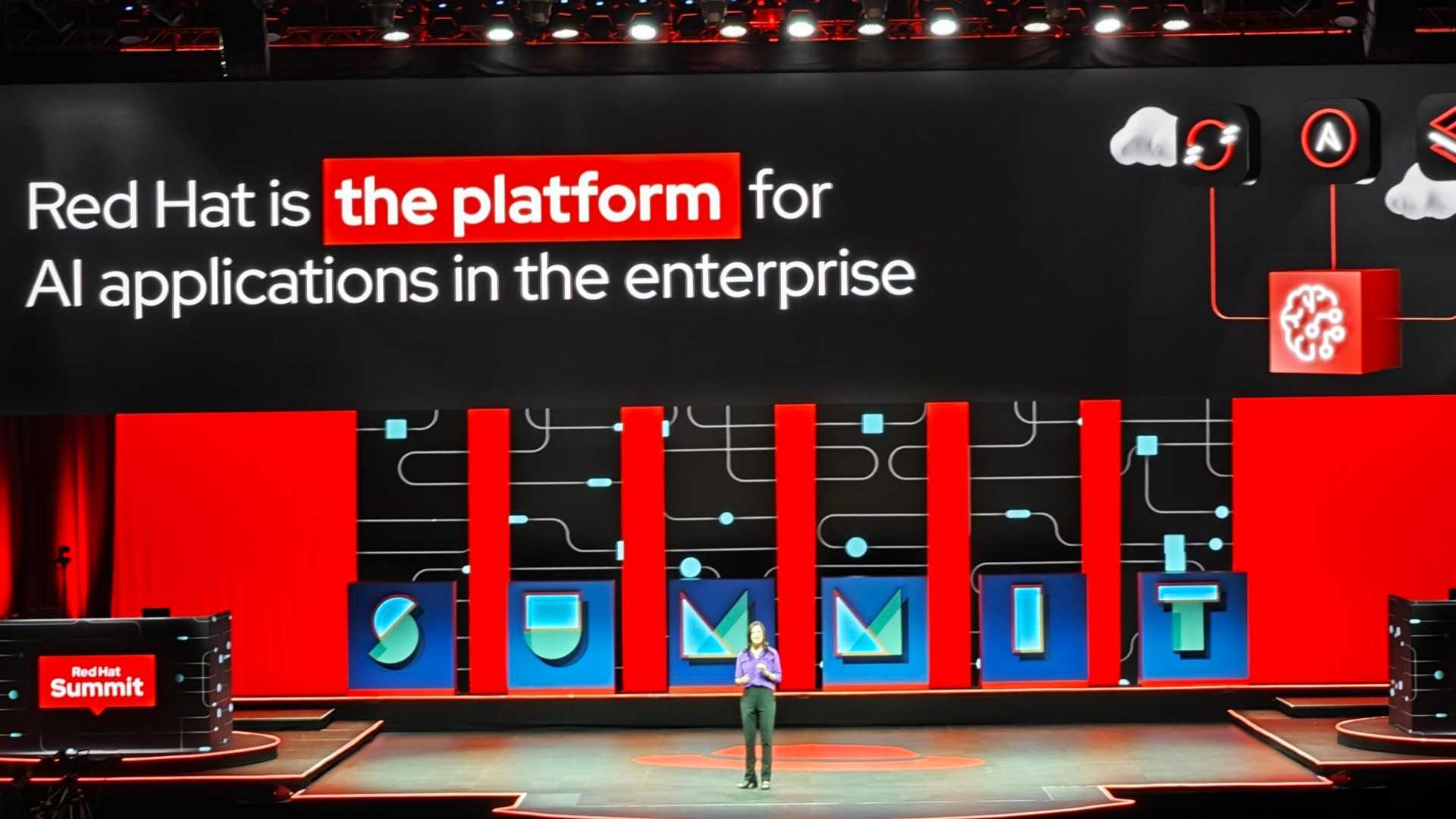
AI is an application, treat it that way in your IT infrastructure ...
Artificial intelligence functions optimally when viewed as an application within an agnostic hybrid cloud model. Director Hybrid Platform Specialist at Red Hat, Carrie Carrasco, argues this point.
Complexity of IT Infrastructure
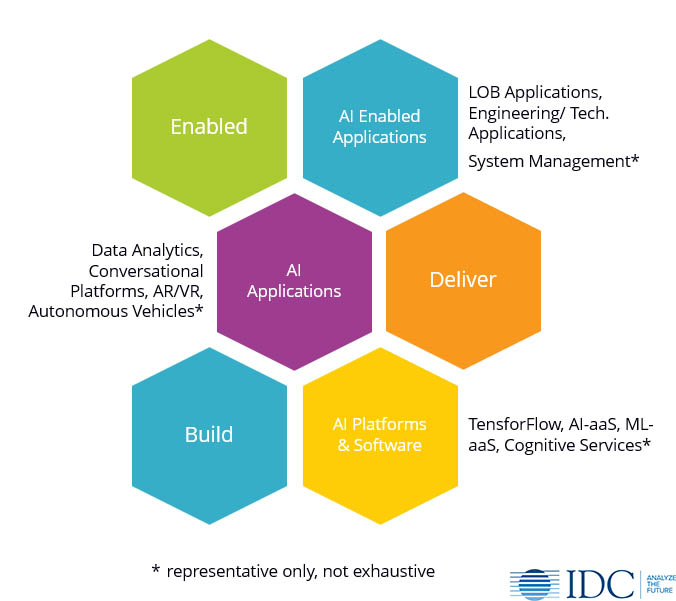
In today's world, IT infrastructure has become quite complex. Organizations utilize various environments and resources, each excelling in its specific role. From public cloud to private cloud and on-premises to the edge, each environment has its advantages and is chosen based on the specific requirements of the situation.
AI as an Application
Carrasco perceives AI as an application akin to mission-critical software. Both play pivotal roles in processes, customer interactions, and decision-making. Just like with mission-critical software, scalability, reliability, and seamless integration into the hybrid infrastructure are crucial for AI applications.

OpenShift AI by Red Hat
Red Hat addresses these requirements through its product offerings, such as OpenShift AI. This platform is designed to enable organizations to develop and deploy AI-based applications at scale in hybrid cloud environments.
Scalable IT Environment
Adopting a scalable IT environment is vital for facilitating the development, testing, and deployment of critical applications with modern standards. Companies can train resource-intensive AI models in the public cloud while safeguarding sensitive data and critical workloads in the private cloud for enhanced security and regulatory compliance.
Bringing AI Applications into Production
The hybrid cloud model simplifies the process of deploying AI applications into production. By managing operations within a single environment, irrespective of the underlying resources' location, organizations can ensure efficient development and operational workflows. Collaboration among data scientists, engineers, and application developers is streamlined, enabling applications to run seamlessly across diverse environments.

Exploration, Trust, and Resilience
Carrasco envisions the agnostic hybrid model as the future, built on the pillars of Exploration, Trust, and Resilience. These components are fundamental for the entire application lifecycle.
Exploration Phase
The exploration phase involves researching various AI models, platforms, and automation tools to determine their alignment with business objectives. It allows organizations to experiment with different AI technologies through proof-of-concepts and pilot projects to understand potential benefits and challenges.
Trust Building
Establishing trust in AI systems is crucial for their effective implementation. Organizations must ensure the accuracy, ethics, and transparency of AI systems, especially in sensitive domains like legal and financial sectors. Transparency in AI systems fosters accountability and compliance with legal and ethical standards.
Resilient Infrastructure
To ensure applications continue running smoothly, organizations must focus on building resilient infrastructure. Red Hat advocates for implementing automation tools such as the Ansible Automation Platform to enhance operational efficiency and address disruptions promptly.
Future Ready Infrastructure
By treating AI as an application and integrating it into a hybrid infrastructure, organizations can innovate and deliver robust solutions that meet modern IT standards. This approach prepares them for a future where diverse applications can coexist seamlessly.
Read more about the Trusted Software Supply Chain in our earlier article.