
Tech Insight: Jobs Threatened By ChatGPT - Just Computers
In this tech insight, we delve into the industries and occupations that are facing the threat of disruption from generative AI, particularly ChatGPT, while also exploring the emergence of new job roles in this changing landscape.

Research Analysis
Research conducted by Felten, Manav Raj, and Seamans on the impact of language modelers like ChatGPT on various occupations and industries provided valuable insights into the implications of AI advancements. The study highlighted the jobs most vulnerable to ChatGPT, including telemarketers, post-secondary teachers, legal services professionals, and individuals in securities, commodities, and investments fields.
Most Exposed Jobs
The research revealed that occupations such as telemarketers, post-secondary teachers (English language, literature, foreign language, history), and legal professionals are highly exposed to ChatGPT due to the automation potential of tasks like customer inquiries, educational content creation, and legal document analysis.

Furthermore, the study identified accountants, mathematicians, interpreters, and writers as another group significantly impacted by AI technologies, with generative AI streamlining tasks and increasing efficiency in their respective fields.
Jobs Resilient to Automation
On the other hand, professions that rely heavily on human judgment and creativity, such as those in creative arts, management, and healthcare, are deemed less susceptible to AI-driven automation. The interactive and empathy-driven nature of these roles sets them apart from tasks easily automated by AI.
Adapting to the AI Revolution
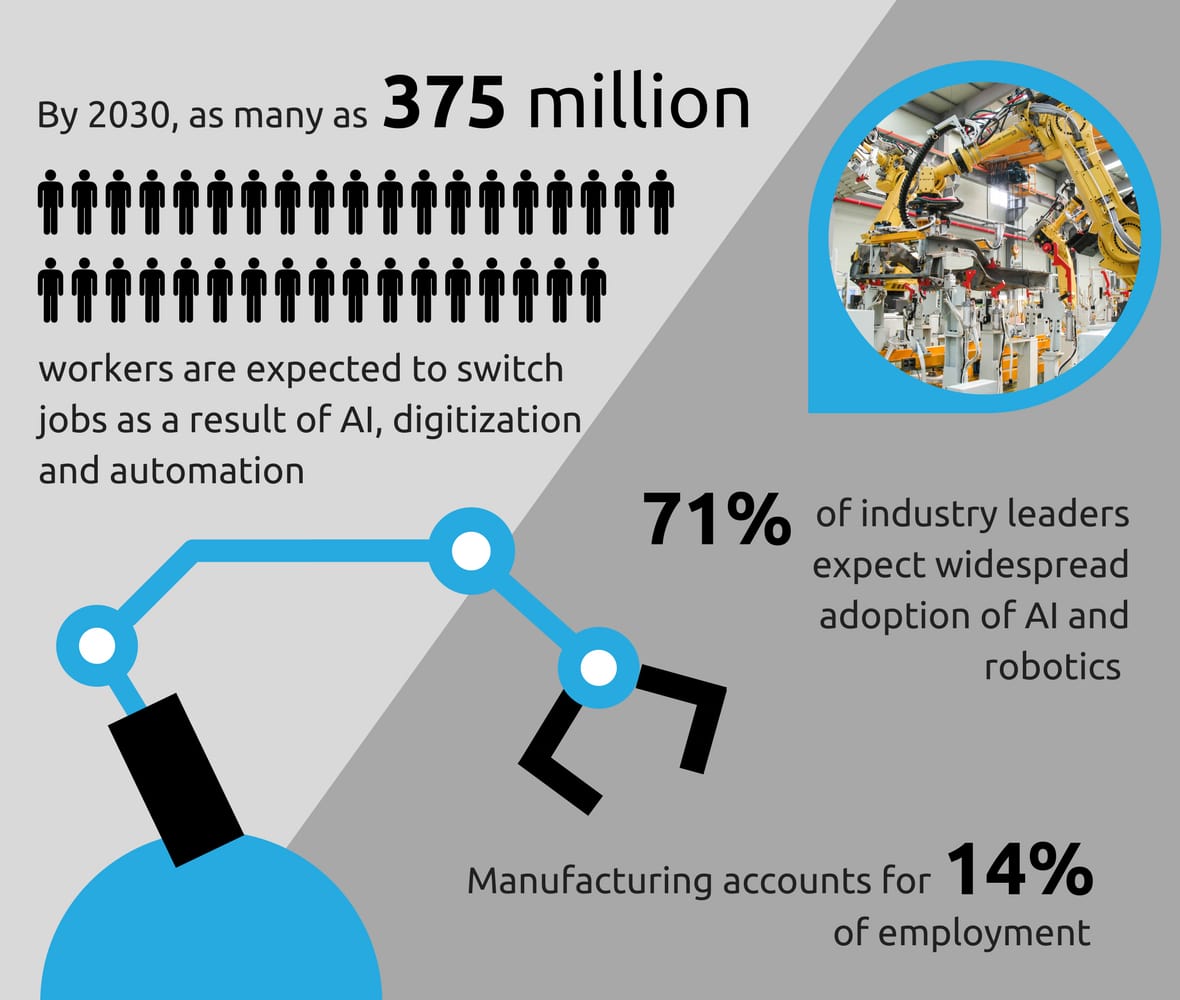
To navigate the evolving job market shaped by technologies like ChatGPT, workers are encouraged to enhance skills like critical thinking, creativity, and complex decision-making, which are less likely to be automated. Upskilling and reskilling initiatives can equip individuals with the necessary expertise to leverage AI tools effectively, transforming potential threats into opportunities.
Integrating AI into workflows in a collaborative manner, focusing on complementing human capabilities with AI efficiency, can help workers secure their positions and provide added value to employers in an AI-augmented environment.
New Job Opportunities in AI
While AI poses challenges to existing roles, it also paves the way for new job opportunities. Professions like AI specialists, prompt engineers, AI trainers and data annotators, digital transformation specialists, and AI ethics consultants are emerging as critical roles in the AI ecosystem, offering unique career paths for professionals with expertise in AI technologies.
Business Implications
For businesses, embracing AI integration can enhance operational efficiency and productivity, particularly in roles involving data processing and routine cognitive tasks. Investing in the reskilling of the workforce and fostering a culture of continuous learning can help companies adapt to the AI revolution and drive innovation within their organizations.
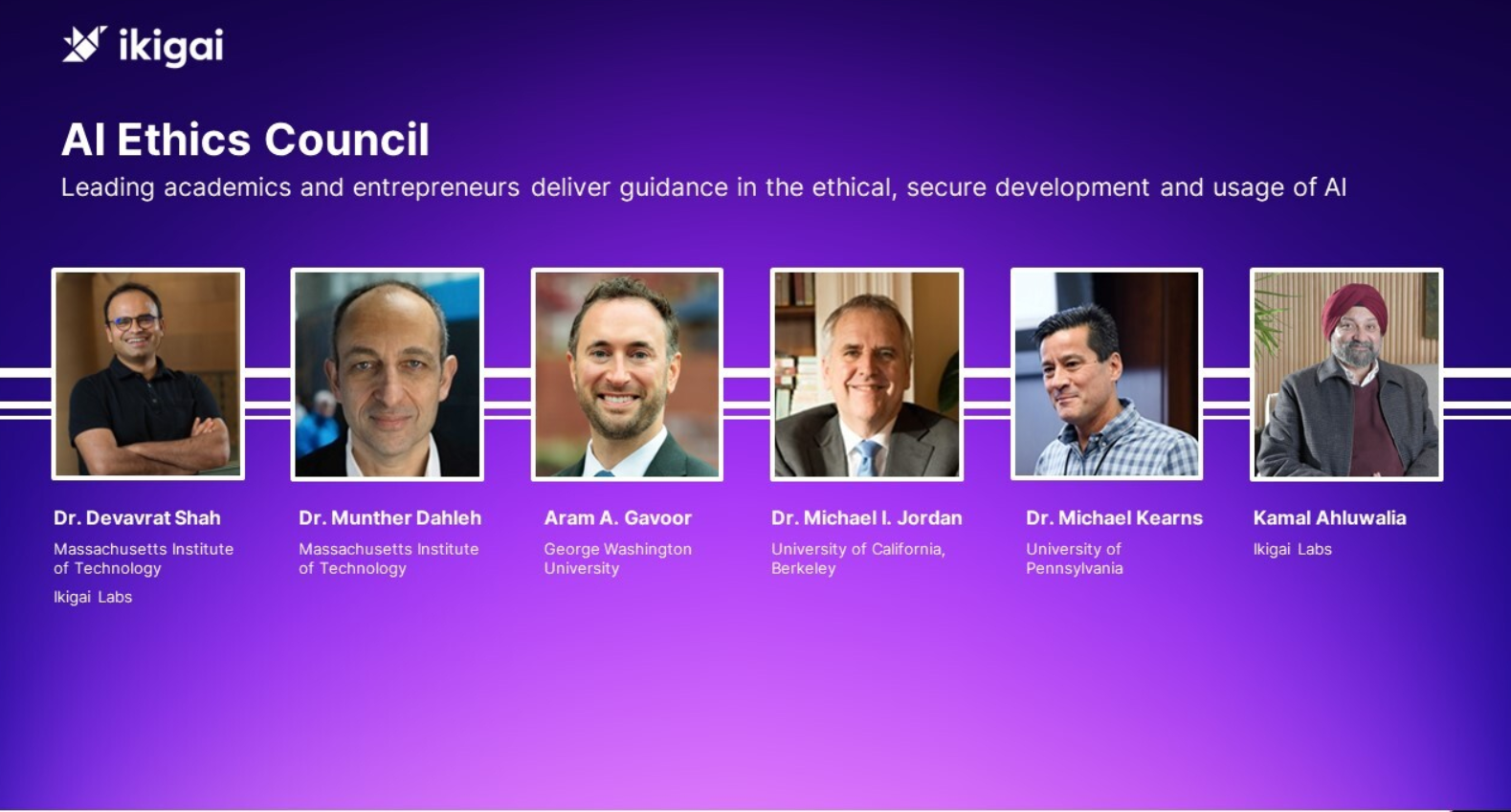
Furthermore, businesses need to consider the ethical dimensions of AI deployment by establishing roles like AI ethics consultants to ensure responsible AI practices and build public trust through transparent and accountable AI implementations.
As the technology landscape continues to evolve, businesses and workers alike can leverage AI advancements to unlock new opportunities, drive innovation, and navigate the complexities of an AI-driven world.
We hope this insight provides a clearer understanding of the impact of AI technologies like ChatGPT on jobs and industries, shedding light on the transformative potential of AI in reshaping the future of work.
For more information and tech updates, visit Just Computers Online.