The AI show — don't just watch, perform! | by Natalia Nazaruk | Jul ...
AI is omnipresent these days, influencing everything from coding to creating art. But is it living up to its hype? Many of us have used tools like ChatGPT and have seen both their potential and limitations. My coworker once said, “It works, but it’s basically broken up.” She was actually talking about a new feature in the app we were working on, but it fits modern AI perfectly too.
The Challenges and Opportunities of AI in Our Jobs
Consider the story of a junior developer, let’s call him Elon. Fresh into his dream job, he eagerly embraced AI tools like ChatGPT for his programming tasks. Copy-pasting code snippets from AI, he appeared efficient and productive. However, during code reviews, Elon struggled to explain the AI-generated logic, leading to self-doubt. His experience highlights the challenges and opportunities AI presents in our jobs. Let’s leave him in this unfortunate situation for a moment, and deep dive into some trends in AI, let’s see what’s happening in IT world, and discuss what we can do to stay relevant in this AI era.
Trends in AI
AI tools are becoming increasingly adept at coding. Google’s Gemini 1.5 models are a prime example, efficiently writing code and assisting developers. Many developers use tools like ChatGPT or Copilot as coding companions. While AI-generated code is not always perfect, especially for complex projects, it excels at writing boilerplate code, generating test data, and identifying simple bugs. Each iteration brings improvements, making these tools increasingly valuable.
AI is also transforming personal assistance by handling multiple types of input simultaneously. Google’s Gemini Nano on Pixel devices can process text, images, sound, and spoken language, making your phone smarter. Imagine your phone summarizing a recorded meeting or transcribing an interview while you focus on other tasks. This capability enhances productivity and simplifies complex workflows. And all of this without the need for an internet connection, as the Nano model lives on the device.
Ethical Considerations in AI Development
Ethical AI development is paramount. Google’s AI principles emphasize making AI socially beneficial, avoiding unfair bias, ensuring safety, and respecting privacy. These guidelines remind us that just because we can build something doesn’t mean we should — unless it’s exceptionally cool, of course. Data privacy is a significant concern. Despite assurances from companies like OpenAI, skepticism remains due to past practices of training models on unapproved data. Technologies like end-to-end encryption and on-device processing keep your data secure. Differential privacy, which adds random noise to data, ensures individual details remain private while still extracting useful insights.
Generative AI is revolutionizing creativity. It can produce media that rivals human-made content, from photorealistic images to original music and literature. You can even create photorealistic images of dolphins riding a bike! As amazing as this technology is, we also need regulations to protect creators and ensure everything is done ethically. It’s crucial to balance innovation with responsibility to make sure the benefits of generative AI are enjoyed by everyone in a fair and ethical manner.
Transparency and Accountability in AI
One of the biggest challenges with AI is that it often operates like a black box, making decisions without any clear explanation. This lack of transparency can be frustrating and concerning. When asking AI for something, also ask for the reasoning or step-by-step thinking behind the answer. This way, you can ensure AI’s decisions are clear and accountable. Plus, it’s proven that when AI explains its reasoning, the results are usually better, and hallucinations occur less often.
No-Code and Low-Code Platforms
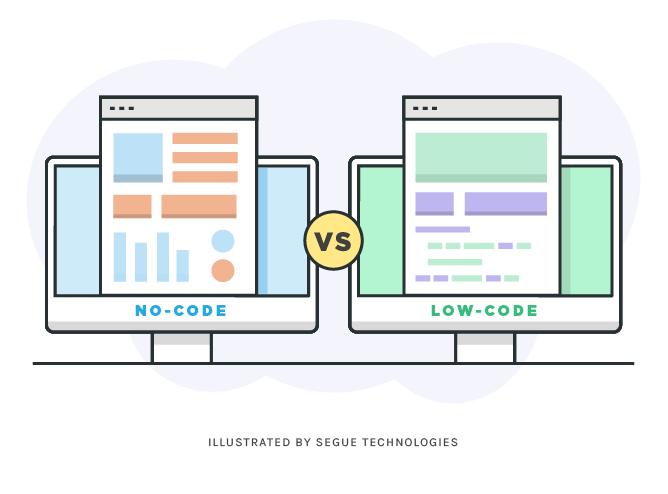
No-code and low-code platforms empower anyone to build applications without extensive coding knowledge. Tools like Google AppSheet, Make, and Zapier allow you to automate tasks and enhance productivity. These platforms offer numerous templates to explore and utilize, making it easier to integrate automation into your workflow.
Continuous learning is essential in the rapidly evolving AI landscape. Experimenting with new tools and staying updated with the latest advancements is crucial.
Domain Expertise and the Role of Developers
Understanding domain-specific problems is invaluable. Such expertise allows you to bridge the gap between technology and business, making you indispensable in your field. As developers, our role is to translate client needs to (AI and non-AI) solutions and ensure we meet ethical standards while doing this. Technology can do amazing things, but it’s up to us to define the ‘what’ and ‘why.’
Adapting to the AI Evolution
What can individuals like Elon do to adapt to AI’s evolving landscape and enhance their value? By embracing no-code tools, committing to lifelong learning, and developing domain expertise, individuals can significantly enhance their value. The question now is — do you want to be an observer in the AI revolution or an active participant? Don’t just watch the AI show — perform! The choice is yours.
Tools and Knowledge Sources
Below are some links to the tools and knowledge sources mentioned in the article:
Android developer (Kotlin 💯). #GDG3city organiser 💻 Soft Skills advocate. Winner of Google & Udacity scholarships. Dogs & Cats 😍
Help | Status | About | Careers | Press | Blog | Privacy | Terms | Text to speech | Teams


