ChatGPT Helps Pinpoint Precise Locations of Seizures in the Brain ...
AI and epileptologists must collaborate to achieve the best outcomes for patients with epilepsy. This collaborative approach is being researched at the Stevens Institute of Technology in Hoboken, N.J. Epilepsy, a prevalent neurological disorder known for recurrent seizures, impacts over 70 million individuals globally, with about 3.4 million affected in the United States alone.

The Challenge of Identifying Epileptogenic Zones (EZs)
Approximately one-third of epilepsy cases do not respond to medication treatment, leading patients to consider surgical options like resective surgery. This type of surgery involves removing brain tissues in the epileptogenic zone (EZ), the area from which seizures originate. However, the success rate of resective surgery is currently around 50% to 60%, partly due to inaccuracies in identifying the EZs.

To pinpoint the EZs, patients undergo various tests including MRI, electroencephalography (EEG), and intracranial EEG. Epileptologists analyze the data and images to understand seizure semiology, which involves observing the symptoms and behaviors exhibited during seizures. However, inconsistencies in terminologies used across different epilepsy centers can pose challenges for accurate localization of the EZs.
The Role of Large Language Models (LLMs)
Large Language Models like ChatGPT, trained on extensive public records, offer a promising solution to interpret seizure semiology efficiently. Researchers, including Feng Liu from Stevens Institute of Technology, collaborated to evaluate ChatGPT's clinical utility in predicting the EZ location based on seizure semiology descriptions.
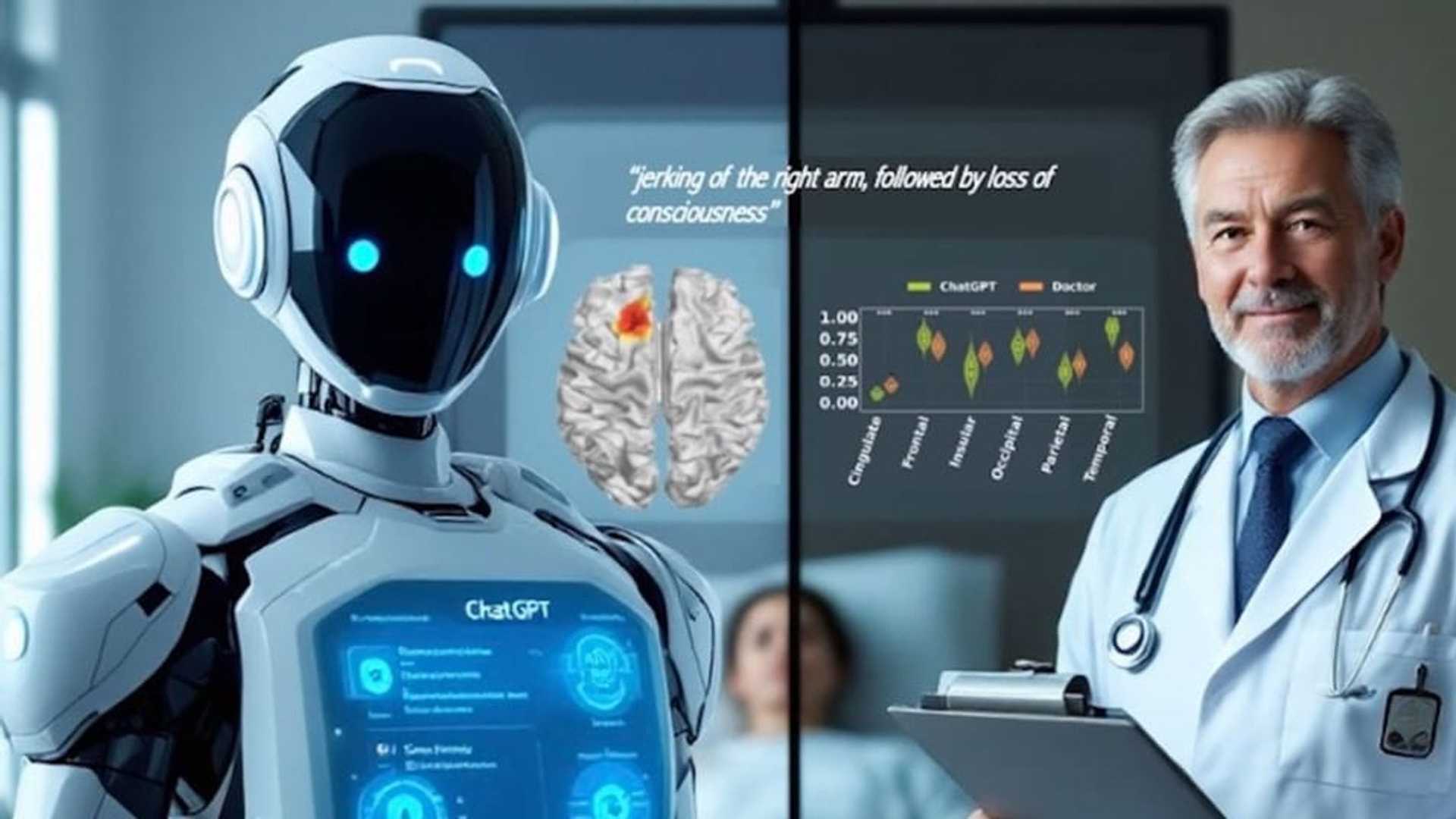
Liu's team compared the performance of ChatGPT with five board-certified epileptologists in localizing EZs using textual information. The study revealed that ChatGPT matched or outperformed epileptologists in identifying commonly located EZs, such as in the frontal and temporal lobes. However, experts still provided more accurate responses for less common EZ locations like the insula and cingulate cortex.
Enhancing LLM Performance with EpiSemoLLM
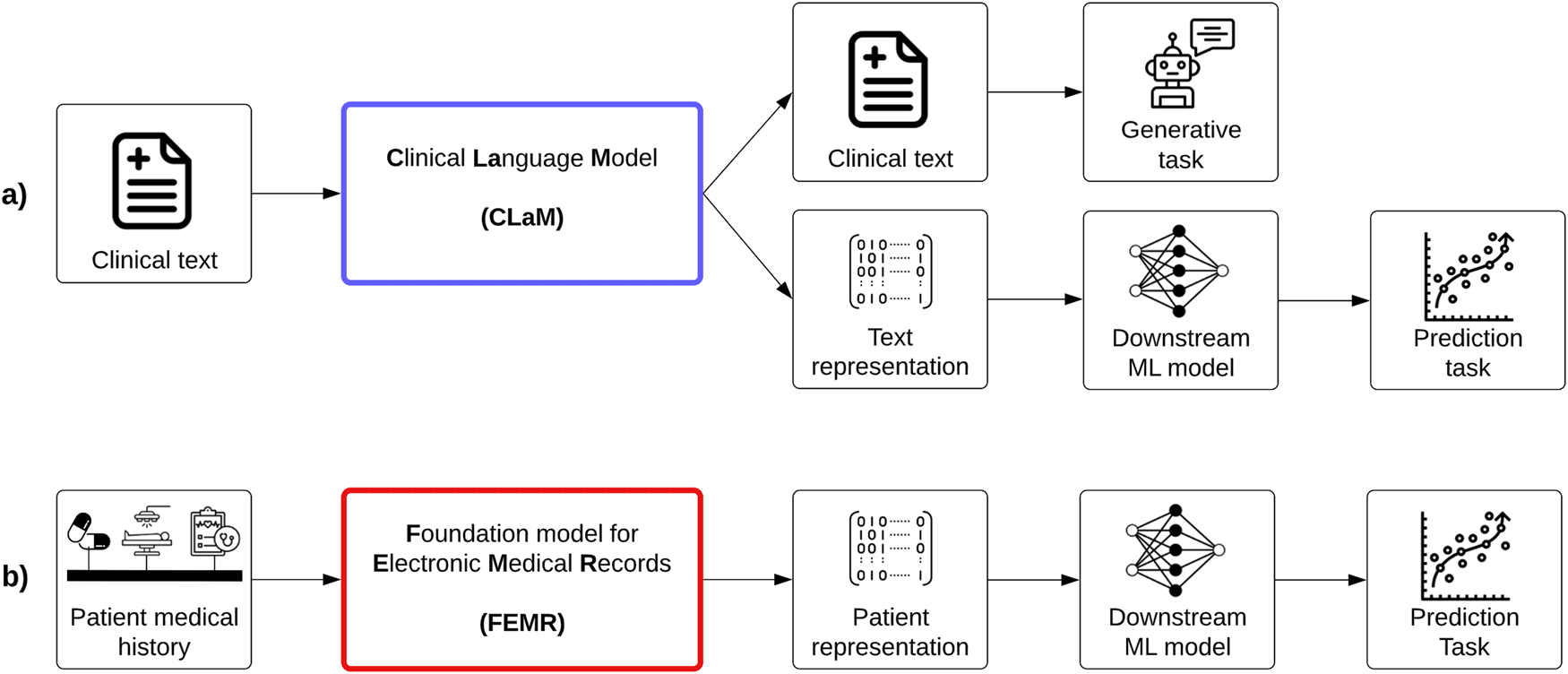
To further enhance LLM capabilities, the team developed EpiSemoLLM, a specialized model for interpreting seizure semiology. This model, hosted on a Stevens GPU server, serves as a valuable tool during the presurgical assessment for neurosurgeons and epileptologists.
About Stevens Institute of Technology
Stevens Institute of Technology, located in Hoboken, New Jersey, is a prestigious private research university overlooking the Manhattan skyline. Founded in 1870, Stevens has been a pioneer in technological innovation and entrepreneurship, offering education that prepares over 8,000 students for a technology-driven world.