OpenAI Aims To Develop A Best-in-Class 'Open' AI Model For Enhanced Performance
Toward the end of March 2023, OpenAI made waves in the tech community by announcing its plans to release its first "open" language model since GPT-2. This exciting development is generating buzz as details gradually emerge from the company’s sessions with the AI developer community. What does this mean for the future of AI, and how does it stack up against existing models?
Sources indicate that Aidan Clark, OpenAI’s VP of research, is at the helm of this new open model’s development. Currently in its early stages, OpenAI is targeting an anticipated release in early summer. The aim is to create a reasoning model that not only competes with but also aims to outperform other open reasoning models on the market. This ambitious goal reflects OpenAI’s commitment to innovation and excellence in artificial intelligence.
Licensing Approach
One of the most noteworthy aspects of OpenAI’s upcoming model is its licensing approach. TechCrunch reports that the company is exploring a highly permissive license with minimal usage restrictions. This stands in stark contrast to other open models like Llama and Google’s Gemma, which have faced criticism for imposing stringent requirements. By adopting a more lenient licensing strategy, OpenAI hopes to foster a more inclusive environment for developers and researchers alike.
Competitive Landscape
OpenAI is not operating in isolation; the competitive landscape is heating up. Rivals such as the Chinese AI lab DeepSeek have adopted an open approach that allows for broader access to their models, facilitating experimentation and commercialization. This strategy appears to be paying off, as Meta’s Llama family of open AI models has seen over 1 billion downloads, and DeepSeek has quickly garnered a significant user base and investor interest.

Model Features and Capabilities
According to sources, OpenAI’s new model will feature a "text in, text out" functionality that can run on high-end consumer hardware. Developers may have the option to toggle the model’s reasoning capabilities, akin to recent releases from Anthropic and other companies. While activating reasoning can enhance accuracy, it may also increase latency, presenting a trade-off for developers to consider. If the initial launch is successful, OpenAI may follow up with additional models, including potentially smaller variants.
Ethical Concerns and Safety Testing
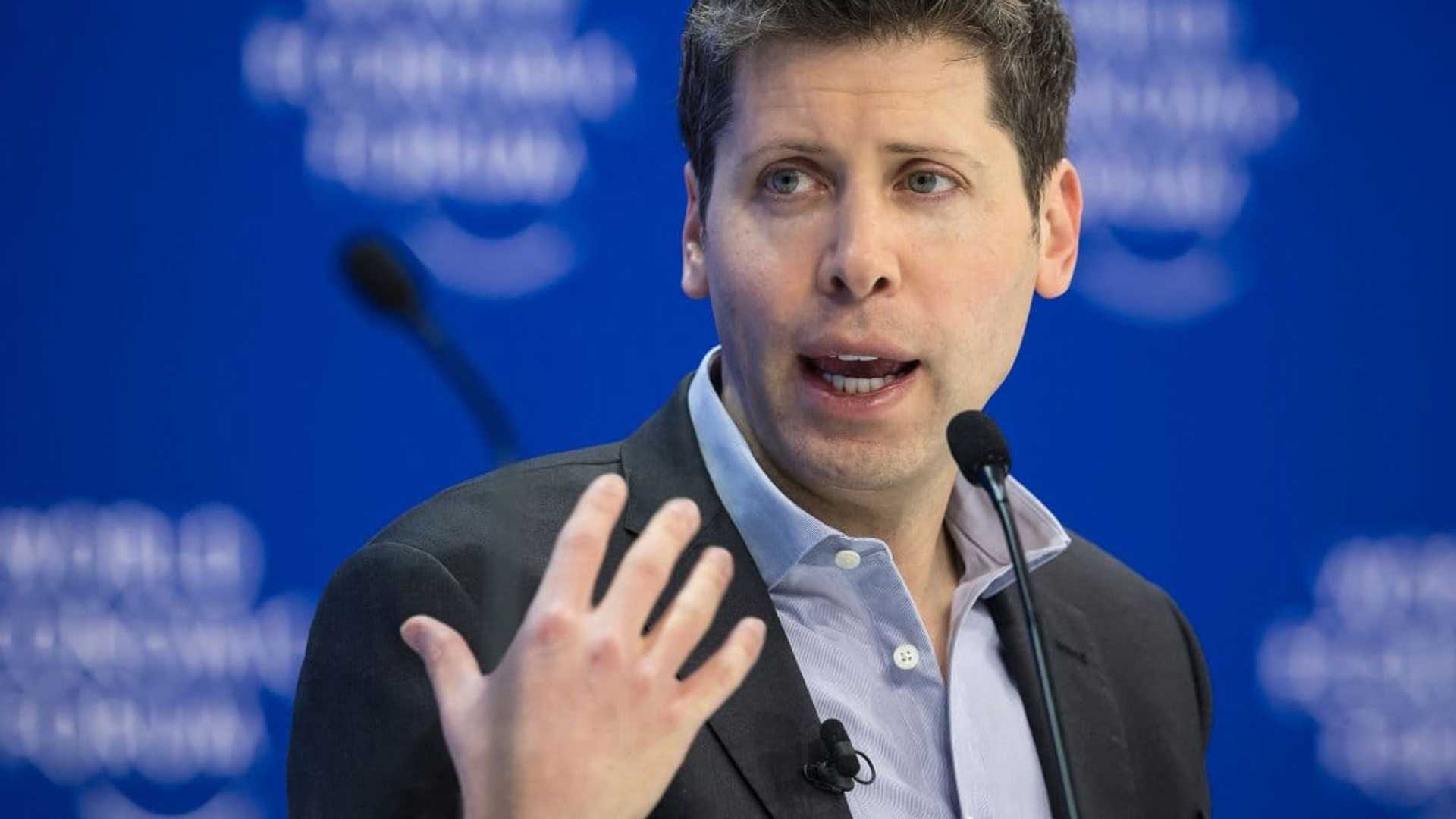
In previous discussions, OpenAI CEO Sam Altman has expressed a belief that the organization has been on the wrong side of history regarding its open-source strategy. During a Reddit Q&A, he emphasized the need for a re-evaluation of how OpenAI approaches open sourcing. While he acknowledges that not all team members share this perspective, Altman is adamant that the company aims to produce better models while accepting that it may maintain less of a competitive lead than in the past.
Challenges and Criticisms
Despite these assurances, OpenAI has faced criticism for allegedly rushing safety tests on previous models and failing to release comprehensive model cards. Altman’s leadership has also been questioned regarding the transparency of safety reviews prior to his temporary ousting in November 2023. These issues highlight the ongoing challenges that OpenAI must navigate as it seeks to balance innovation with ethical responsibility.
Conclusion
As OpenAI prepares to unveil its new open language model, the AI community watches with keen interest. The potential impact of this model on both developers and end-users is significant, and its success could reshape the landscape of open AI technology for years to come.


