AI spurs 'revolution' for some visually impaired people
AI has helped visually-impaired Louise Plunkett. Ms. Plunkett has a genetic eye condition called Stargardt disease, a rare condition that causes progressive vision loss, which impacts everything she does. She mentions, “I can’t recognise people, even my own husband or my children. When my children were younger, I used to have to teach them how to come to me when I met them at the school playground.”
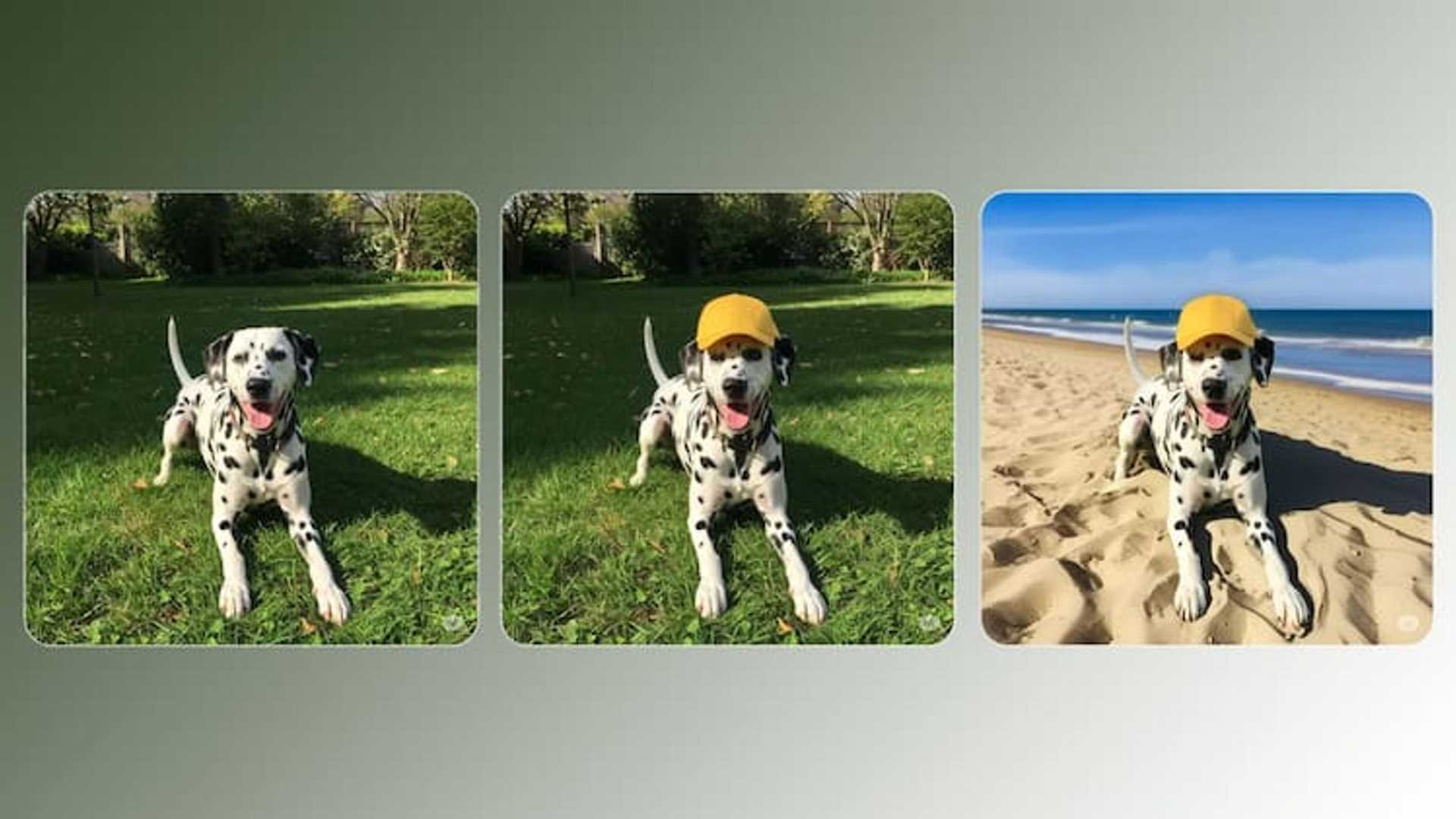
Louise Plunkett, comfortable with digital tools, advises companies on ensuring their online content is suitable for the visually impaired community. She has been using services like Alexa, Google Home, and Siri for years, assisting with tasks like setting alarms and weather checks. Recently, she finds an assistant called Be My AI quite useful. The application utilizes ChatGPT to produce and then read out detailed descriptions of pictures.

Challenges and Benefits of AI for Visually Impaired Individuals
Despite the benefits, Ms. Plunkett mentions that AI can sometimes be hit or miss. She notes, “The downside with AI is that sometimes it gives you too many details. You sometimes just want the basic information of what is in front of you, but it will go above and beyond, and offer up mood and emotions."
Be My AI, developed by Danish firm Be My Eyes, has seen a significant shift with some of its 600,000 users switching to their AI tool for assistance. Jesper Hvirring Henriksen, the chief technology officer, emphasizes the potential future developments of live streaming video via the app, describing buildings and movements around the users.
Other AI Solutions for the Visually Impaired
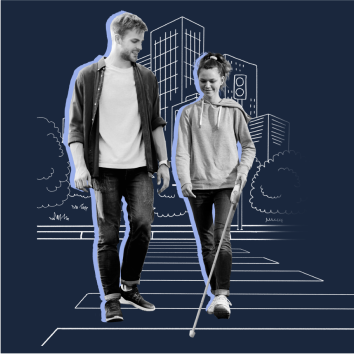
Aside from Be My AI, other firms have introduced products to assist the visually impaired. WeWalk, an AI-powered cane that detects obstacles and provides directions, offers accessible navigation and live public transport updates. The cane connects to a smartphone app with in-built mapping, assisting users in locating places of interest.
Robin Spinks, head of inclusive design at the RNIB (Royal National Institute of Blind People), who has low vision, advocates for the use of AI in daily life. He mentions his usage of ChatGPT and Google Gemini AI tool for various tasks. He highlights the progression in AI technology from conversational AI to what he terms as “multimodal AI.”
Mr. Spinks believes that AI has been transformational for people who are blind or have low vision, providing immense value and assistance in daily tasks. The integration of AI tools like Be My AI and WeWalk's AI-powered cane showcases the significant progress in enhancing accessibility for visually impaired individuals.