Crypto wallets aren't just wallets anymore
Crypto wallets used to be bare-bones. You’d use them to access your tokens, approve a transaction, and that was it.
In 2025, they’re turning into full-stack superapps: handling swaps, staking, bridging, and even identity management.
A recent report from Dune gives a closer look at that shift in action. Let’s break it down.
More users are skipping dApps and exchanges and swapping directly inside their wallets.
Back in 2021, MetaMask ruled the space, handling over 80% of all in-wallet swaps.

By May 2025, Binance Wallet had taken the lead. It now handles 33 million swaps a week, nearly $9 billion in volume.
Other wallets like OKX, Bitget, and Trust Wallet are gaining fast. Coinbase Smart Wallet is also picking up speed, riding momentum from its link to Base.
The surge in adoption is fuelled by zero-fee campaigns and native BNB Chain rails.
Smart wallets run on smart contracts, not keys. That makes them feel less like crypto tools and more like everyday apps.
They skip seed phrases, cover gas fees, and let you recover access if something goes wrong. You can even sign in with your face or bundle steps into one tap.
That kind of seamless flow is pulling users in fast. By April 2025, smart wallets were processing over 4 million transactions a week, most of them on Base.
Coinbase Smart Wallet alone grew from 15K to 83K weekly users in just four months.
Safe is the infrastructure behind many of these wallets. It powers wallets inside apps like Worldcoin and handles DAO treasuries too. Since 2024, it’s processed more than $500 billion in volume.
Just like Gmail doesn’t make you think about complex email protocols, modern crypto apps keep wallets tucked quietly in the background.
More apps now build wallets directly into the UX. That speeds up onboarding and removes setup friction.
The wallet boom isn’t just coming from the West
MetaMask’s largest user bases now include Nigeria, Indonesia, and India.
Bitget is also gaining momentum in Bangladesh and Nigeria. Even Phantom, built for Solana, is seeing strong traction across Asia.
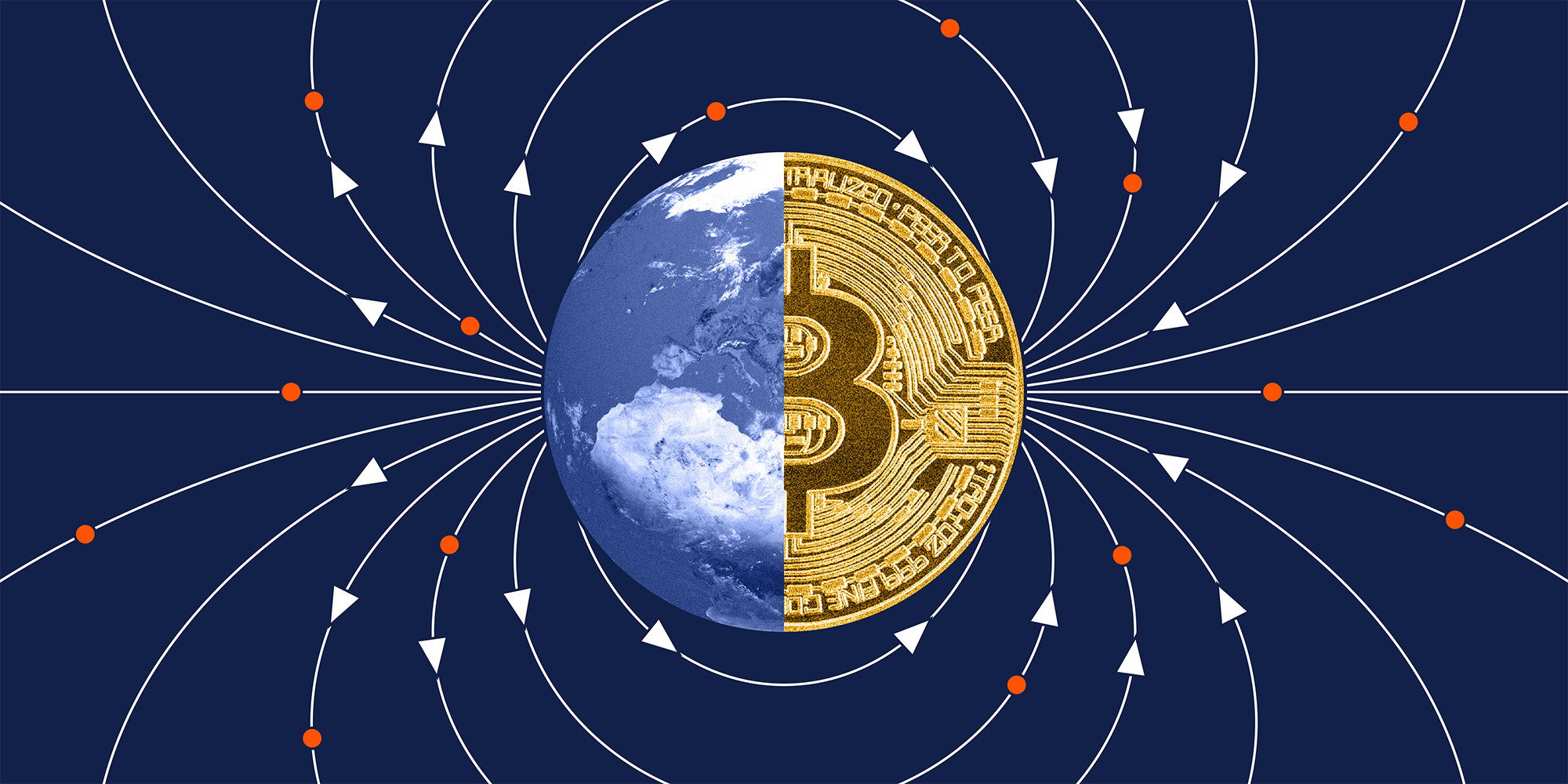
But there’s still a split between where the usage is and where the capital lives. Emerging markets are driving activity. Developed ones still hold most of the money.
That’s why some builders are optimising for high-volume retail and others are targeting low-frequency whales. Wallet strategy now depends on who you’re serving.
The future of crypto wallets
We’re headed into a new phase of wallet flexibility.
Ethereum’s Pectra upgrade and EIP-7702 make it possible for regular wallets to behave like smart ones with no migration needed.
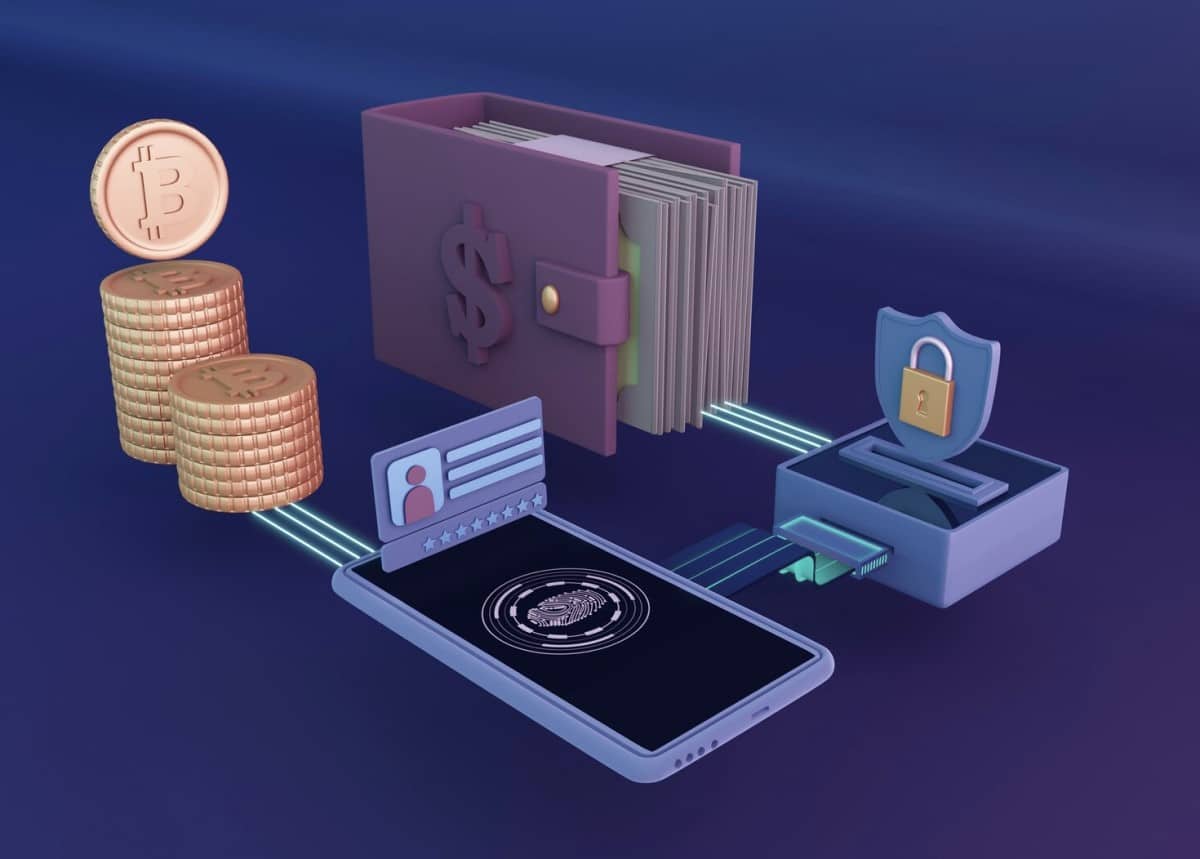
That blurs the line between old and new wallets, giving apps more room to experiment.
But the bigger shift is mobility: wallets that move with you across chains and devices, without broken sessions or awkward resets.


