To ChatGPT or not to ChatGPT: Do Students Who Use ChatGPT Learn Less?
A recent viral study has brought to light concerns among educators regarding the use of AI tools like ChatGPT in academic settings. The study suggested that students who rely on ChatGPT for writing essays may exhibit a decline in critical thinking skills.
The Impact of ChatGPT on Student Thinking
One particular instance highlighted in the study involved university students being prompted to write about personal experiences of witnessing discrimination. It was observed that many students tended to use common names generated by ChatGPT instead of sharing genuine anecdotes from their lives.
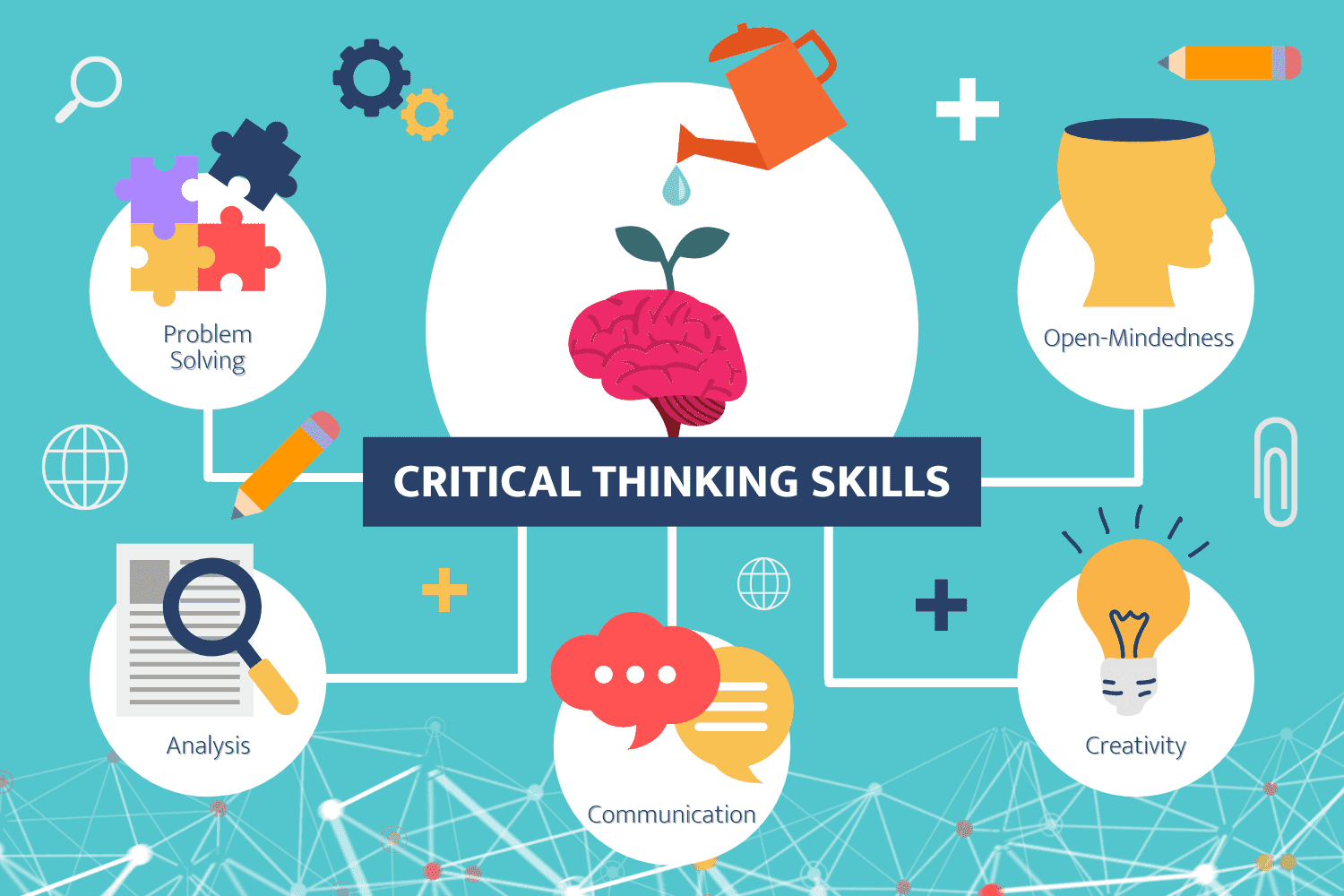
According to Jocelyn Leitzinger, a professor at the University of Illinois in Chicago, a significant number of her students resorted to using ChatGPT inappropriately, even when discussing complex topics such as the ethics of artificial intelligence. This trend raised concerns about the potential consequences of overreliance on AI for academic tasks.
Insights from Research
The study conducted by MIT researchers involved dividing adult students into three groups: one group used ChatGPT for essay writing, another group utilized a search engine, and the third group relied solely on their own cognitive abilities. The findings indicated that the ChatGPT users exhibited lower levels of critical thinking compared to their peers.
Furthermore, analysis of brain activity through EEG devices revealed that the ChatGPT users showed reduced neural connectivity, indicating a lack of originality and depth in their writing. The absence of personal insight and creativity in the ChatGPT-generated essays was also noted by teachers.
Looking Beyond the Study
Despite the implications of the study, some experts caution against drawing definitive conclusions about the overall impact of AI tools on cognitive processes. Ashley Juavinett, a neuroscientist at the University of California San Diego, emphasized the need for further research before making sweeping claims about the effects of AI on learning and thinking.
Integrating Scratch Jr. in Kindergarten to Foster Computational Thinking
While AI tools like ChatGPT offer convenience and efficiency, there are growing concerns about the potential drawbacks, such as decreased critical thinking skills and reliance on automated content generation. The debate surrounding the role of AI in education continues to evolve, with educators emphasizing the importance of maintaining a balance between technological assistance and traditional learning methods.
As the educational landscape grapples with the integration of AI tools, the core question remains: How can technology enhance learning experiences without compromising essential cognitive processes such as critical thinking and creativity?
Ultimately, the impact of AI on student learning extends beyond academic settings, affecting the way individuals approach problem-solving, communication, and intellectual development. As educators and researchers delve deeper into this realm, the quest for a harmonious coexistence between technology and cognitive growth remains paramount.
Originally published on doc.afp.com, part of the BLOX Digital Content Exchange.