
Why Apple Won't Use Google Gemini
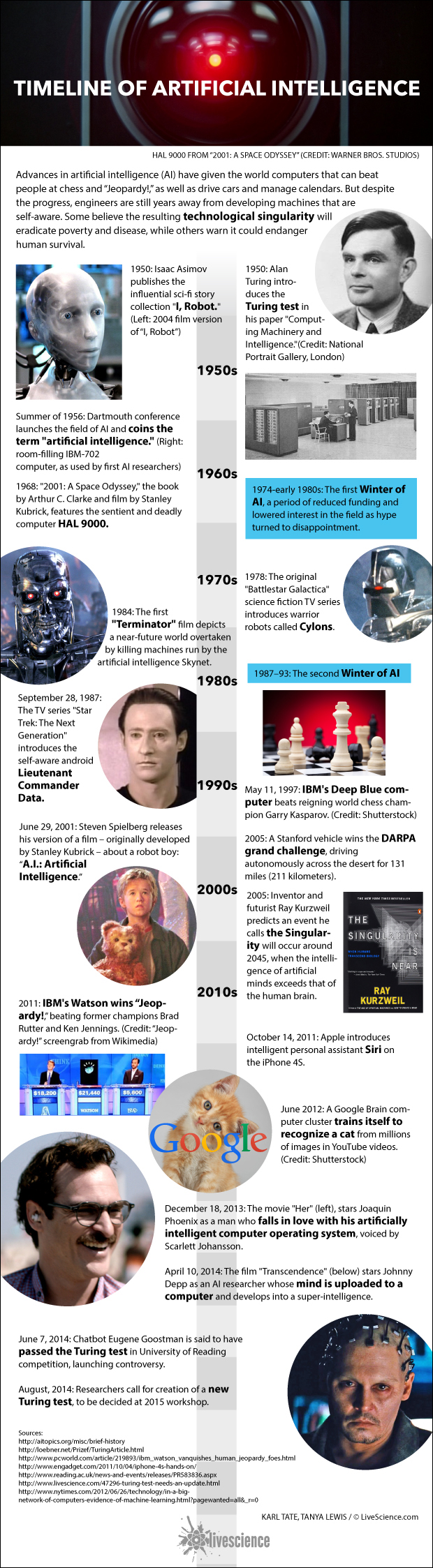
Apple, known for its early adoption of AI and machine learning technologies, has surprisingly lagged behind in the realm of generative AI. Recent rumors suggest that Apple is considering licensing Google's powerful Gemini models for its iPhone-based AI activities. While this partnership may seem plausible at first glance, there are several compelling reasons why Apple may ultimately choose not to pursue this collaboration.
Apple's Journey in the AI Market
Contrary to popular belief that Apple's AI efforts began with Siri, the tech giant has been exploring AI concepts since the introduction of the Knowledge Navigator in 1987. Despite its early innovations, including Siri as one of the first digital voice assistants, Apple has faced stiff competition from Amazon Alexa and Google Assistant in the AI space.
The Absence of Generative AI
As the industry transitioned to generative AI, Apple conspicuously remained on the sidelines, showcasing no significant generative AI advancements at events like WWDC 2023. While rumors about Project Ajax and Apple GPT have surfaced, Apple's foray into generative AI is eagerly anticipated.
Concerns with Google Gemini
Recent speculations hint at Apple potentially licensing Google's multi-modal Gemini AI for various iPhone operations. However, the privacy-conscious Apple may find only Gemini Nano aligning with its stringent privacy standards. Apple's Head of AI, John Giannandrea, has emphasized the importance of local processing, casting doubt on the integration of more robust Gemini models that require cloud connectivity.
Apple's Unique Approach to Innovation
Apple's reluctance to embrace Google's Gemini AI extends beyond privacy concerns. The tech giant prides itself on developing in-house solutions, as evident in Apple Maps and other proprietary AI applications. By maintaining full-stack control, Apple distinguishes its products from competitors and aims to offer unique experiences to its user base.
Looking Towards the Future
As Apple navigates the evolving AI landscape, its goal remains clear: to establish a prominent position in AI innovation. While partnerships with AI companies are part of Apple's strategy to enhance its AI capabilities, the company aspires to surpass industry benchmarks and redefine the AI landscape on its own terms.
In the competitive realm of AI technology, Apple's pursuit of differentiation and excellence underscores its commitment to delivering cutting-edge solutions to its customers.


