
Artists are terrified Instagram is stealing their work. They're turning to...
Artists have expressed their anger towards Meta for utilizing their Instagram and Facebook images to train AI models. There is a growing fear among artists that Instagram's Emu could replicate their copyrighted artworks, ultimately posing a threat to their livelihoods. Some artists have made the decision to transition to Cara, a newer social media platform that has been gaining traction, despite facing some issues.
Concerns with Meta's Practices
Various artists have raised concerns over Meta using their photos on Instagram and Facebook to train its AI models. A group of artists interviewed by Business Insider shared their worries regarding Instagram's text-to-image generator Emu potentially producing images that imitate their unique artistic styles. This development could potentially jeopardize the livelihoods of these artists, pushing them to seek alternative platforms.
"It is already difficult to make a living as an artist, and these practices feel exploitative," stated Christine Kent, a fine artist based in San Francisco. The sentiment among artists is that Meta's actions are unethical and could have detrimental effects on their careers.

The Rise of Cara
Amidst these concerns, some artists are making the switch to Cara, a social media platform tailored for artists. Launched in 2023, Cara stands out by not training AI models on its users' content. Additionally, the platform features an automatic safeguard against art scraping, providing artists with a sense of security for their creations.
The founder of Cara, Jingna Zhang, a Singaporean photographer, recently won a legal battle involving plagiarism of her work. This victory has further bolstered confidence in Cara as a platform that values and protects artists' intellectual property rights.
Challenges Faced by Artists
Professional artists have cited issues beyond AI concerns on Instagram, including feeling compelled to purchase ads for visibility. Despite the challenges, many artists acknowledge the platform's significance in their artistic journey.
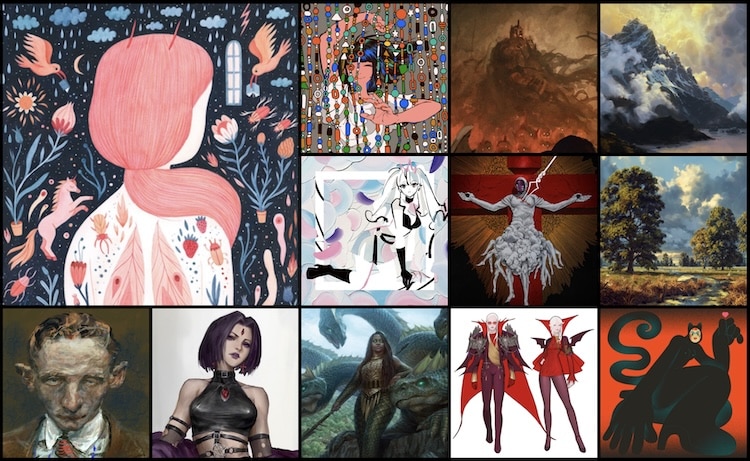
For instance, Kent, with a substantial following of nearly 75,000, emphasized the role Instagram played in kickstarting her art career. Despite reservations about Meta profiting from artists' work, she acknowledges the platform's importance in connecting with a global audience and sustaining her art business.
Opting for Alternative Platforms
Meridian Culpepper, an animation artist in Los Angeles, highlighted her decision to join Cara as a form of protest against Meta's AI policies. She emphasized the importance of standing up against practices that exploit artists and expressed her commitment to advocating for change within the industry.
Several artists, including Kent, have begun exploring alternative platforms like Cara to diversify their online presence and reduce dependency on a single platform. The unpredictable nature of algorithm changes on platforms like Instagram has prompted artists to seek more stable alternatives to safeguard their artistic pursuits.
Conclusion
The evolving landscape of social media platforms and the growing concerns among artists reflect a broader need for ethical practices and protections for creative content online. As artists continue to navigate challenges posed by tech giants, the shift towards platforms like Cara signifies a collective effort to advocate for artists' rights and autonomy in the digital space.


