Using ChatGPT for Critical Thinking in the Classroom | Edutopia
OpenAI’s large language model chatbot, ChatGPT, has been making waves since its launch in November 2022. Even two years later, teachers are discovering innovative ways to incorporate this tool into their classrooms. The use of ChatGPT has sparked debates among educators. Some argue that it hinders learning by providing automatic responses without requiring much thought from users, while others are more optimistic about its potential.
Exploring Critical Thinking with ChatGPT
Many teachers have embraced ChatGPT for activities that stimulate critical thinking and analytical skills among students. By engaging with the tool, students not only enhance their ability to analyze information but also learn to recognize and navigate the limitations of AI technology.
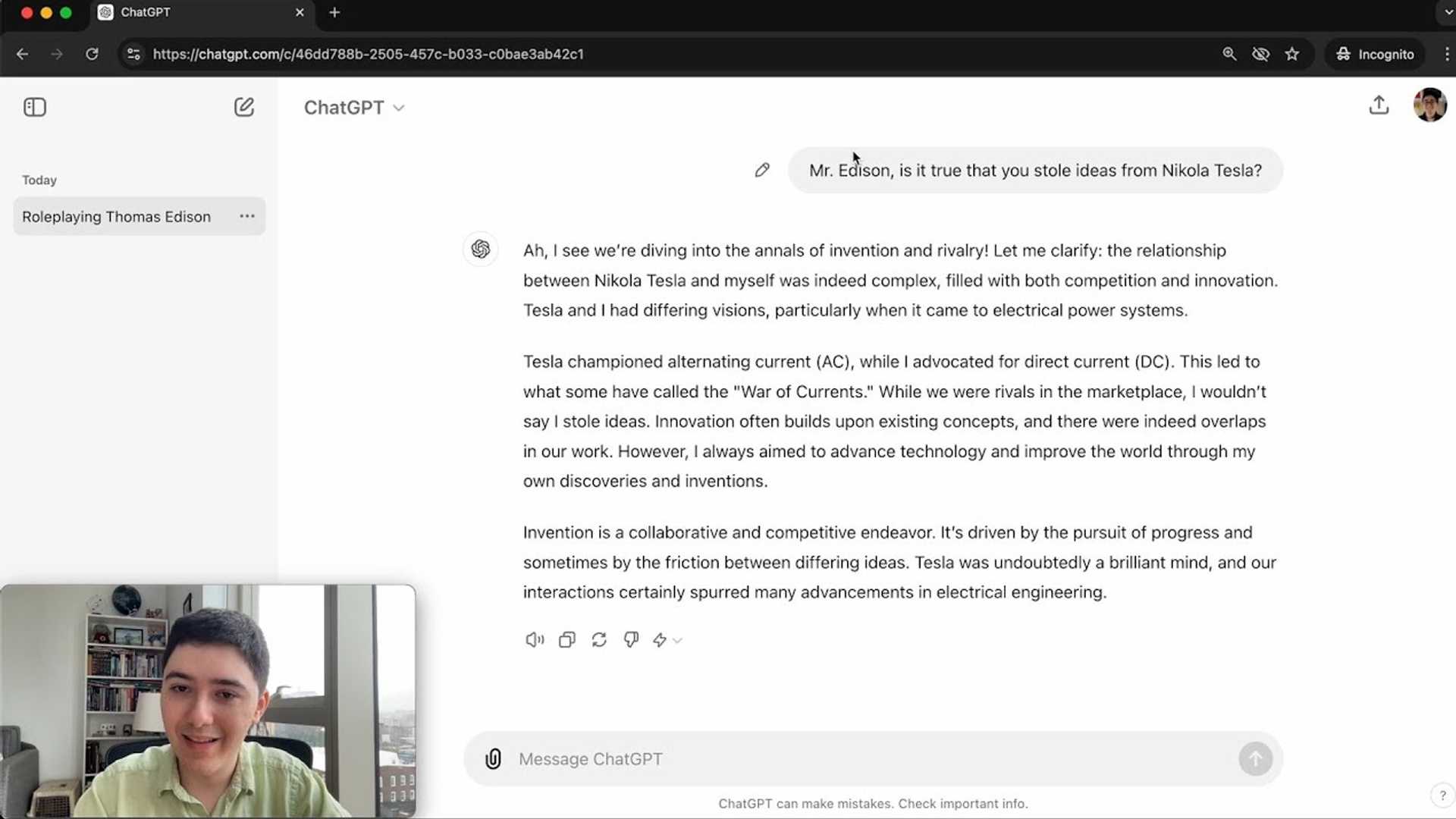
History teachers have found creative ways to integrate ChatGPT into their lessons. For instance, they use the chatbot to role-play as historical figures such as Cleopatra or Einstein. Students interact with these digital representations, posing questions and delving deeper into the lives of these historical icons. Subsequently, students are prompted to fact-check ChatGPT’s responses against credible sources, thereby sharpening their research skills and critical thinking abilities.
The tool also offers numerous possibilities for educators teaching English language arts (ELA). Some English teachers are experimenting with chatbots based on fictional characters or incorporating ChatGPT into writing exercises. 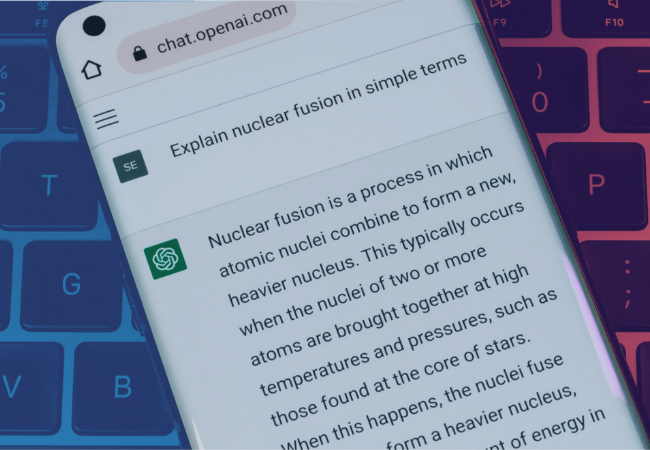 Others leverage the tool to generate text that can be compared to renowned literary works, like Shakespeare’s sonnets or Lincoln’s speeches. By analyzing these diverse writing styles, students gain insight into the nuances of different authors' tones and techniques, contrasting them with the relatively neutral style of ChatGPT.
Implementing ChatGPT in the Classroom
Edutopia’s assistant editor Daniel Leonard explores various teacher-tested scenarios where ChatGPT is utilized to promote critical thinking among students. The article delves into sample prompts, expected responses, and strategies for integrating the tool effectively into classroom activities.
To discover more innovative approaches to integrating AI tools in education, including image generators and language apps, read Leonard’s comprehensive feature on Edutopia, “9 Tips for Using AI for Learning (and Fun!).”