Is ChatGPT A Healthcare Revolution Or Dangerous Rabbit Hole?
When a hard mass appeared in her abdomen a few months before her 40th birthday, Flic Manning knew something was seriously wrong. What began as occasional pain and bloating had become more persistent, and she had difficulty eating. After two decades managing the inflammatory condition Crohn’s disease, Manning was used to gastrointestinal symptoms, but this felt different.
Her GP told her it was probably just Crohn’s but referred her to a gastroenterologist to be safe. That specialist dismissed her concerns. “He didn’t even bother to touch my abdomen,” says Manning. “He said it was nothing to worry about.” Still clearly worried, Manning turned to ChatGPT next, which suggested she had a possible twisted bowel and intussusception (where part of the intestine slides into another) – conditions that can be life-threatening. Concerned, Manning went in search of a third opinion, this time from her human gynaecologist.
“As soon as my gyno touched the hard area she was alarmed,” says Manning. “She said I need a CT, like, today!” 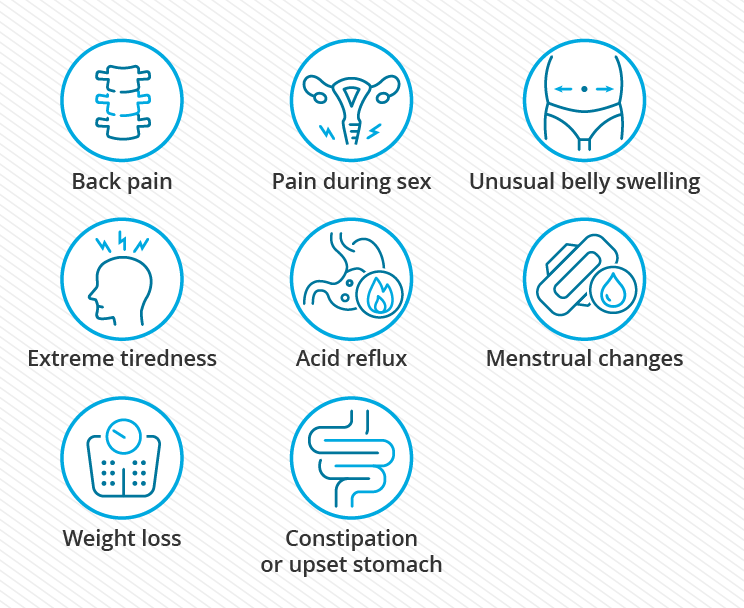 Sure enough, the scan confirmed the chatbot’s prognosis. Manning had both intussusception and a twisted bowel, requiring multiple surgeries. “[ChatGPT] even told me the most likely course of treatment, which also turned out to be correct,” she says. Manning is one of 400 million weekly users who have embraced ChatGPT, OpenAI’s generative artificial intelligence model.
The Rise of ChatGPT in Healthcare
Launched in 2022, ChatGPT is used globally to write emails, create presentations, résumés, and letters. But it also answers questions, compiles research, and creates art – and increasingly, people are relying on it for medical advice. With delays in seeing a GP, increasing healthcare costs, and long waitlists for specialists, the convenience of online medical advice has become more appealing.
CEO and founder of Ovum AI Dr Ariella Heffernan-Marks highlights the healthcare inequities faced by women and sees AI as a promising solution to bridge the diagnostic and treatment gaps. With women spending 25% more of their lives in poor health compared to men, quick access to medical advice is crucial.
The Debate: Revolution or Danger?
The experts are divided on whether ChatGPT signifies an AI healthcare revolution or a dangerous path. While it has shown high diagnostic accuracy rates, there are concerns about its performance compared to human specialists in certain medical scenarios.
Dr Grant Blashki emphasizes the importance of consulting a doctor despite the information provided by AI, as patients may delay necessary care due to overreliance on AI advice. Furthermore, AI can perpetuate gender biases present in traditional healthcare systems.
In conclusion, AI, like ChatGPT, offers a valuable resource in navigating the complexities of healthcare, but users must exercise caution and not substitute professional medical expertise with AI recommendations.