ChatGPT: Chamblee's New AI Study Buddy or Distractor? – The Pros and Cons of Artificial Intelligence in Education
The integration of artificial intelligence tools in educational environments has been on the rise, offering various advantages such as quick access to information and tailored support. However, concerns about dependency and potential misuse have also surfaced. Understanding the benefits and drawbacks of AI in education is crucial to grasp its true impact.
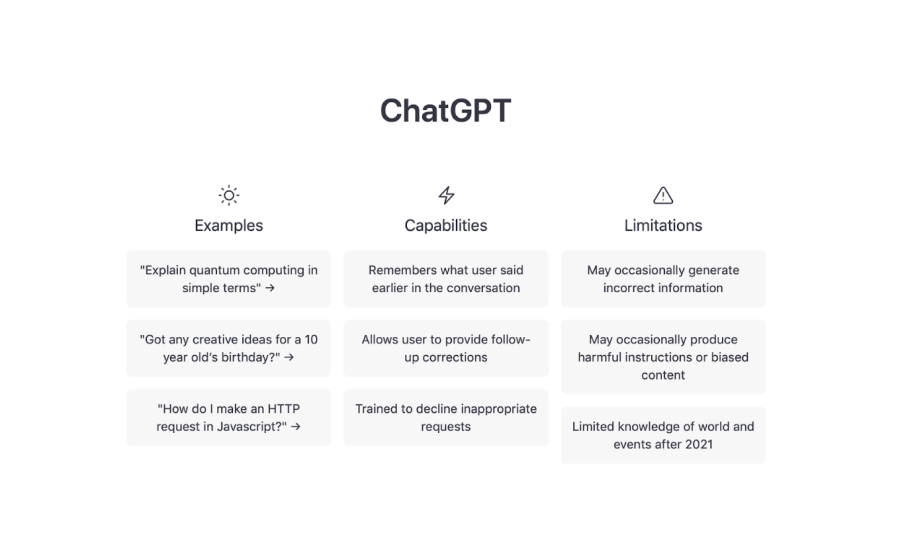
The introductory paragraph above was not crafted by a human but by ChatGPT, an AI language model gaining popularity for its ability to browse the web and generate content based on a single prompt. As ChatGPT evolves, ethical dilemmas have been raised regarding its utilization. At Chamblee High School, opinions regarding the appropriateness of ChatGPT vary among students and teachers.
Beneficial Applications of ChatGPT
Some individuals, like Willie Atkinson ('27), have found ChatGPT to be a valuable tool for comprehending complex concepts. For instance, Atkinson mentioned using ChatGPT to aid in understanding math problems, especially when traditional resources fall short. Teachers like James Demer view ChatGPT as an advanced search engine, capable of providing detailed answers beyond standard search results.

William Thompson, a software teacher at Chamblee, sees ChatGPT as a template for student assignments, enabling students to compare their work with AI-generated content. Thompson believes in the positive integration of ChatGPT in educational settings to reinforce lesson plans and foster creativity.
Concerns and Limitations
Despite its advantages, there are reservations among Chamblee students and teachers regarding ChatGPT's efficacy. While it can assist in understanding concepts, there are concerns about its accuracy, particularly in language usage. Additionally, there are doubts about ChatGPT's creative capabilities in areas such as art, literature, and entertainment.
Furthermore, the potential for plagiarism using ChatGPT raises ethical concerns. Educators like Demer have adjusted their teaching methods to prevent students from relying excessively on AI-generated content, emphasizing the importance of critical thinking and originality in academic work.

Ethical and Learning Concerns
As AI technologies like ChatGPT continue to evolve, questions regarding biases in generated content and the model's self-learning capabilities have come to the forefront. The lack of diversity in source material and the autonomy of self-learning algorithms raise important ethical considerations for educators and students alike.
As the debate around ChatGPT's role in education continues, it is evident that while it can be a valuable resource, vigilance is necessary to ensure its responsible and effective use in academic settings.