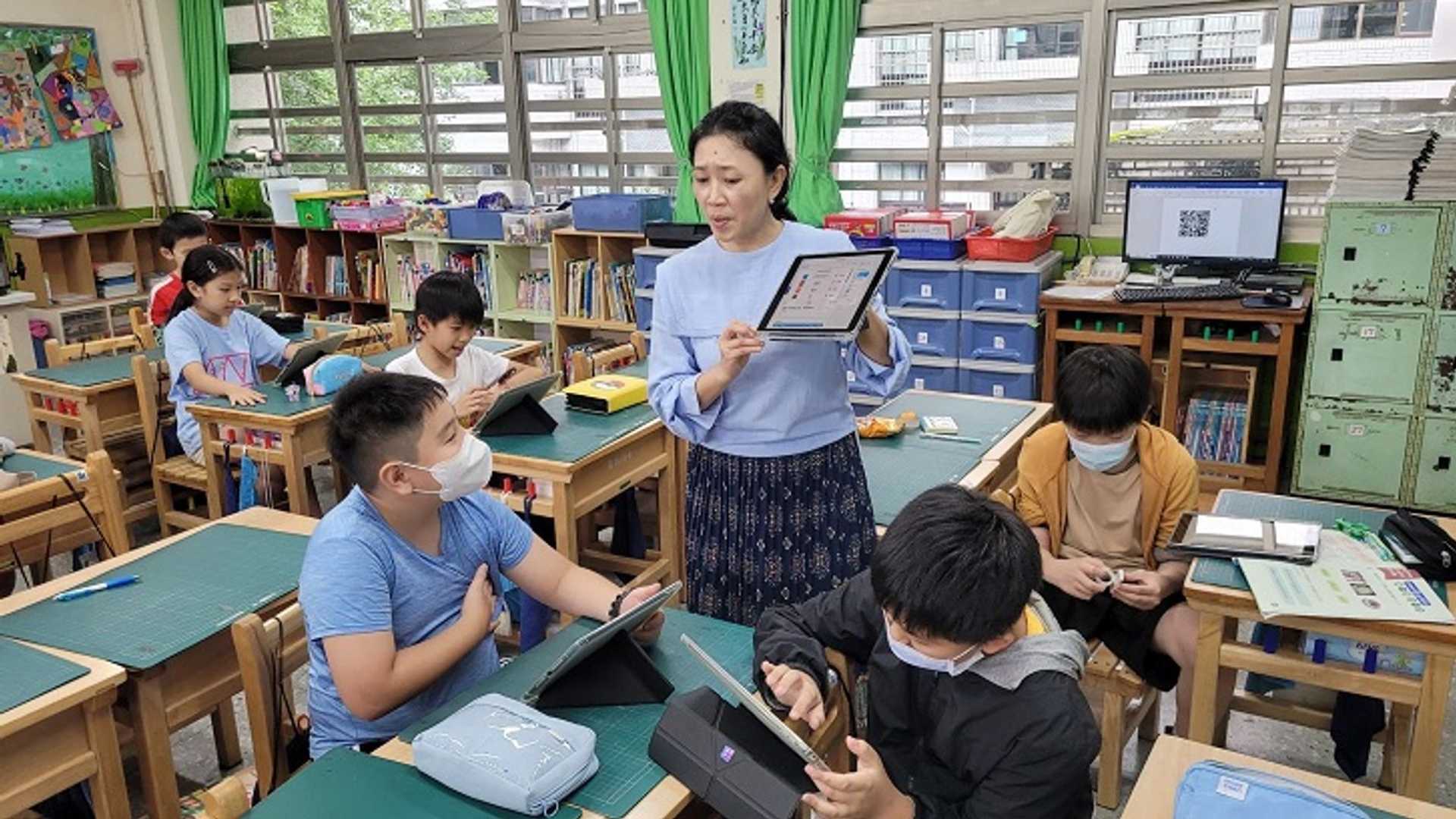
Taiwan Immigrants' Global News Network-AI Assistance! Enhancing Interest in Learning Foreign Cultures
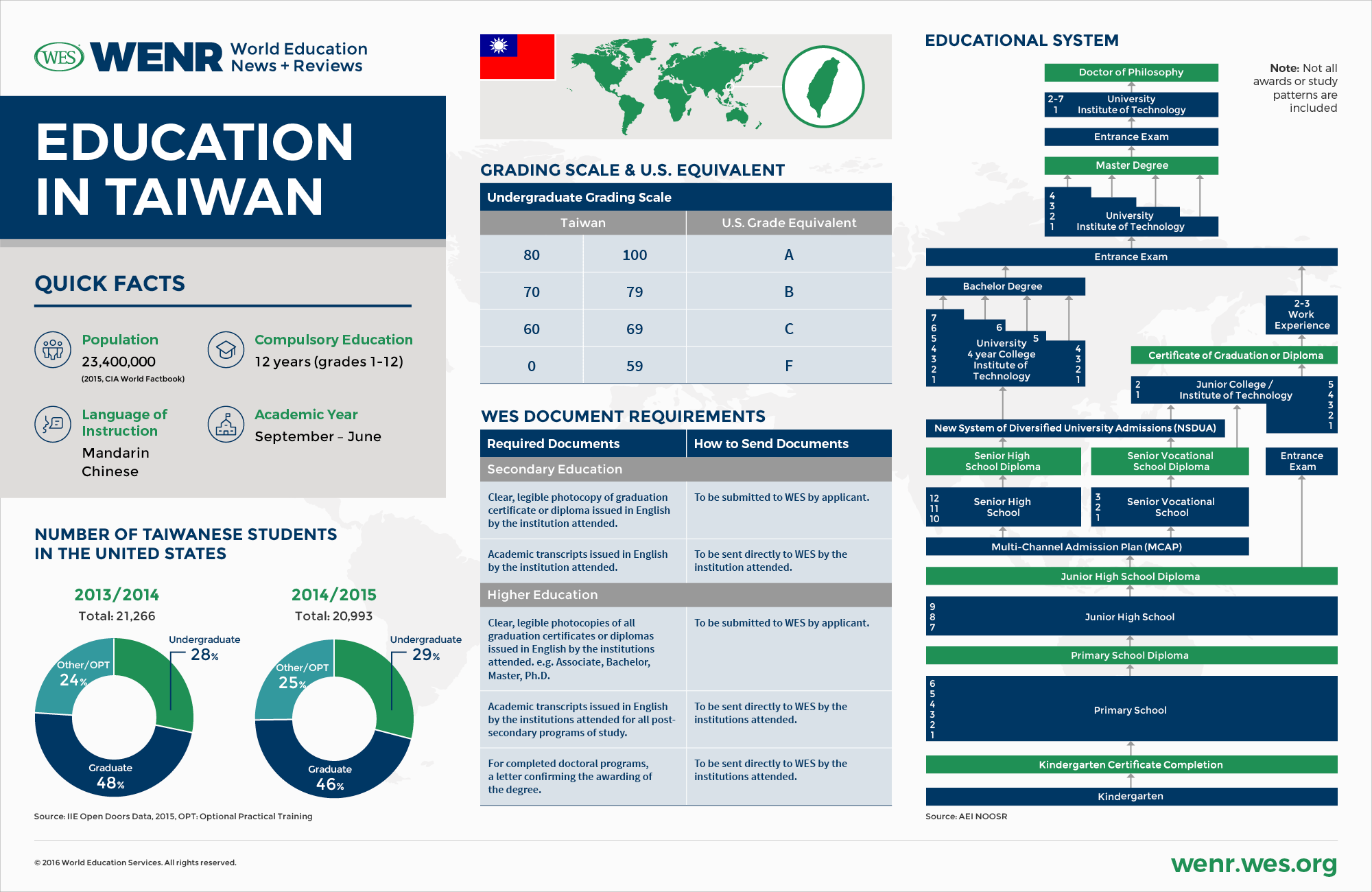
In the 113th school year, New Taipei City launched 2,056 new resident language courses, providing nearly 5,000 students with the opportunity to choose from various classes. This figure represents a more than 20% increase compared to the 112th school year. Vietnamese classes were offered 947 times, Indonesian 361 times, and Thai 356 times, making these the top three languages, setting new records in both class offerings and student participation, ranking first nationwide.
The Education Bureau stated that the new resident language courses for elementary and middle schools have been implemented gradually since the 108 Curriculum Guidelines and are fully promoted this year. The Education Bureau is committed to realizing the "Ten-Year Vision for New Residents - A Seamless Learning Policy," encouraging high schools and vocational schools to actively offer Southeast Asian second language or club courses. This initiative provides a completely new resident language learning system for students from elementary school to high school. Any student can take these courses, regardless of their identity, to enable second-generation immigrants and general students to learn Southeast Asian languages and expand their global perspectives.
Zeng Xiuzhu, Principal of Xiulang Elementary School and Leader of the New Resident Language Support Group
Zeng Xiuzhu stated that enhancing the professional skills of teaching support personnel is the group’s top priority. This year, AI tools will be introduced to assist teaching staff in creating materials and adjusting content. The Google Gemini Pro chatbot helps generate multiple teaching plans and analyze students' learning performance, providing precise feedback to improve learning outcomes.
Wang Shuling, Vice Leader of the Support Group and Principal of Chengzhou Elementary School
Wang Shuling pointed out that to revitalize new resident language teaching methods, the group is incorporating digital technology such as Google Gemini Pro chatbot, Suno AI song generator, and D-ID AI video generator to enhance teaching efficiency and creativity. These tools create a more dynamic learning experience for students and support teachers in helping students better understand different cultures.

Li Yanjing, Teaching Assistant from Myanmar
Li Yanjing shared that through the Suno song generator and D-ID AI video generator, she could quickly find relevant teaching resources and prepare content more effectively. For example, she used these tools to introduce the cultural background of Myanmar's Water Festival, helping students understand the significance of water splashing.
Lin Peiqi, Student from Xiulang Elementary
Lin Peiqi mentioned that the AI-generated teaching videos made her feel as if she was immersed in a foreign culture, sparking her interest in learning about different cultures.
The Education Bureau emphasized that the AI digital era is an important trend in modern society. By using innovative AI teaching methods and joining collaborative communities, new resident language teachers can receive immediate feedback on student learning outcomes, bringing the world into the classroom. This approach enhances students' autonomous learning abilities and helps cultivate digitally literate global citizens.
Glacier Tourism on the Rise: The Impact of Climate Change
In 2019, Zach Sheldon, an experienced tour guide, witnessed large ice chunks break off Valdez Glacier in Alaska. The following day, he led a group to the glacier's crest, where they discovered the bodies of three boaters, two Germans and an Austrian, trapped by ice. They had likely been drawn to the glacier’s blue ice, not realizing it was about to calve.
Glacier tourism is rising as people rush to see these natural wonders before they disappear. However, glaciers are becoming more dangerous as they melt. The terrain shifts quickly, and accidents are becoming more frequent, with fatalities linked to both the unstable ice and the impact of climate change.
While glaciers offer striking beauty, they are also a stark reminder of climate change, with guides witnessing firsthand how fast the landscape is changing. Despite the risks, tourist numbers continue to grow, as many are drawn to these disappearing natural wonders. Yet, the increase in tourism also accelerates the glaciers' decline due to the carbon emissions generated by travel.
Food Contact Materials and Chemical Exposure
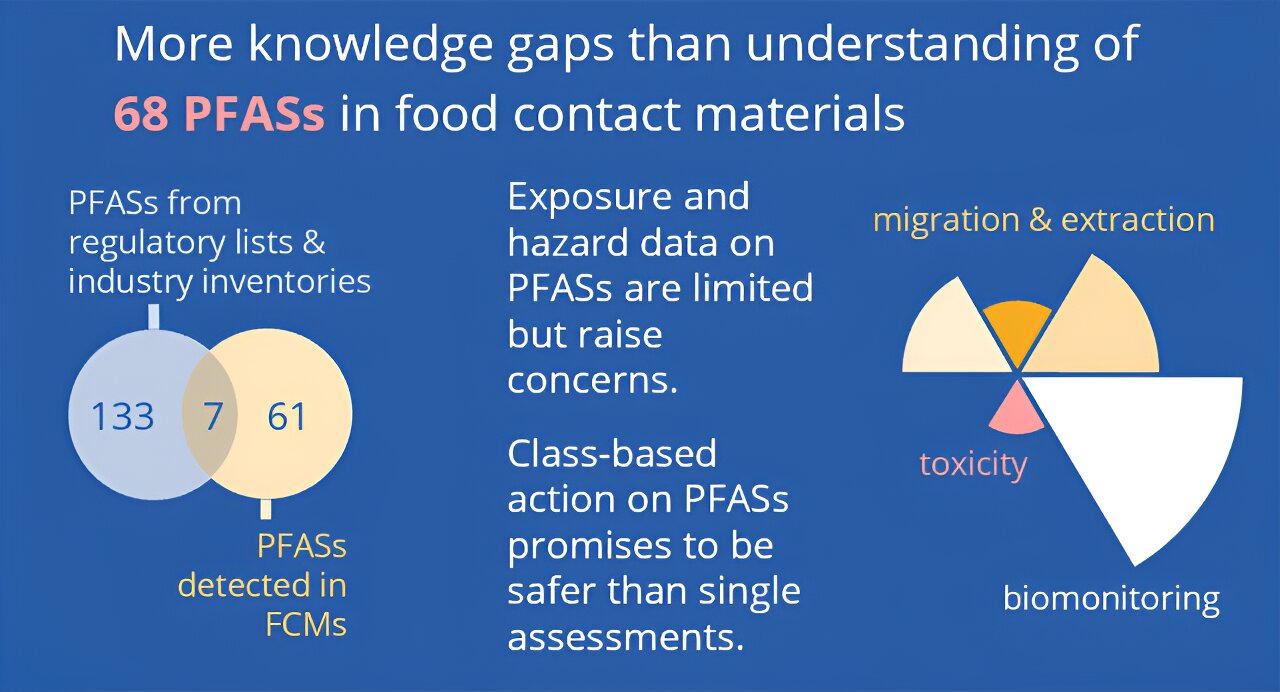
A new study has found that more than 3,600 chemicals used in food manufacturing, processing, packaging, and storage can leach into the human body, with some linked to serious health risks such as cancer and reproductive issues. The study highlights the vast number of chemicals humans are exposed to through food contact materials.
Experts warn that while many chemicals comply with government regulations, their safety is not fully guaranteed. Bisphenol A (BPA), PFAS, and phthalates are among the harmful substances detected in food and the human body, known to cause various health problems. The study underscores the need for more stringent regulations and transparency from companies on the chemicals they use in food packaging.
Antimicrobial Resistance: A Growing Global Threat
The new study published in The Lancet reveals alarming projections about antimicrobial resistance (AMR), predicting that the number of global deaths due to resistant infections could rise nearly 70% by 2050. From 2025 to 2050, AMR could be responsible for over 39 million deaths, driven by the misuse and overuse of antimicrobial drugs.
Lead author Dr. Chris Murray emphasized the urgent need for new antibiotics and better antibiotic stewardship to address this growing threat. The study found that while AMR deaths among children under 5 have decreased due to improved sanitation, vaccination, and treatment programs, deaths among adults over 70 have increased dramatically.
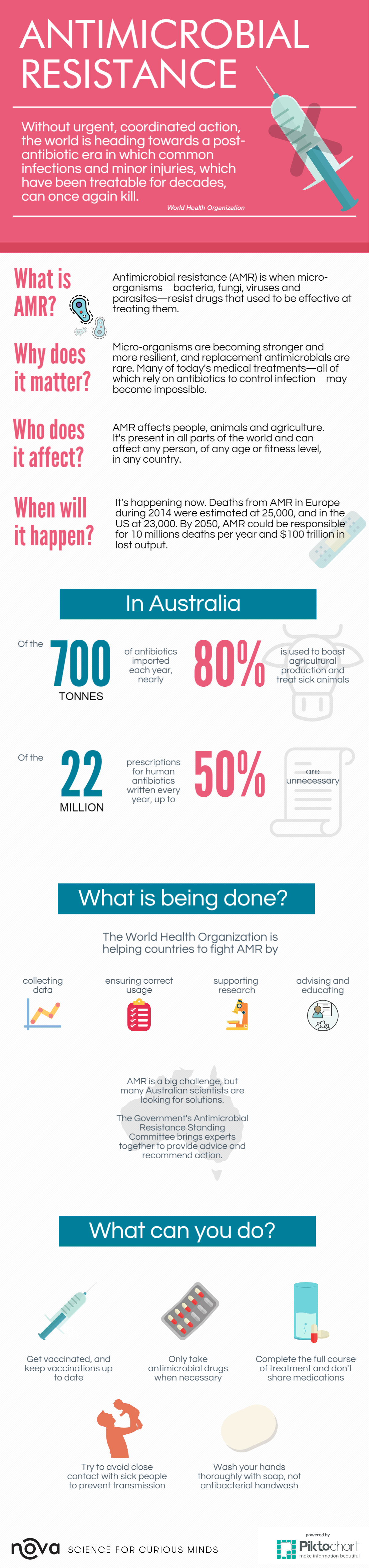
The research underscores the critical need for global investment in combating AMR through better healthcare, more effective drugs, and targeted action to reduce the burden of superbugs.


