Report: Meta seeks nuclear power to run its US data centers - Neowin
A fresh report suggests that Meta could soon join the leagues of Google and Amazon in addressing global carbon emissions by shifting towards nuclear energy. The company is reportedly seeking proposals from potential nuclear energy suppliers to run its power-hungry data center across the US.
Integration of Nuclear Reactors by 2030
Meta aims to integrate nuclear reactors into its operations by 2030. These reactors could generate between one and four gigawatts of power, sufficient to sustain millions of homes. For context, a typical US nuclear reactor plant can generate 1 gigawatt of power.
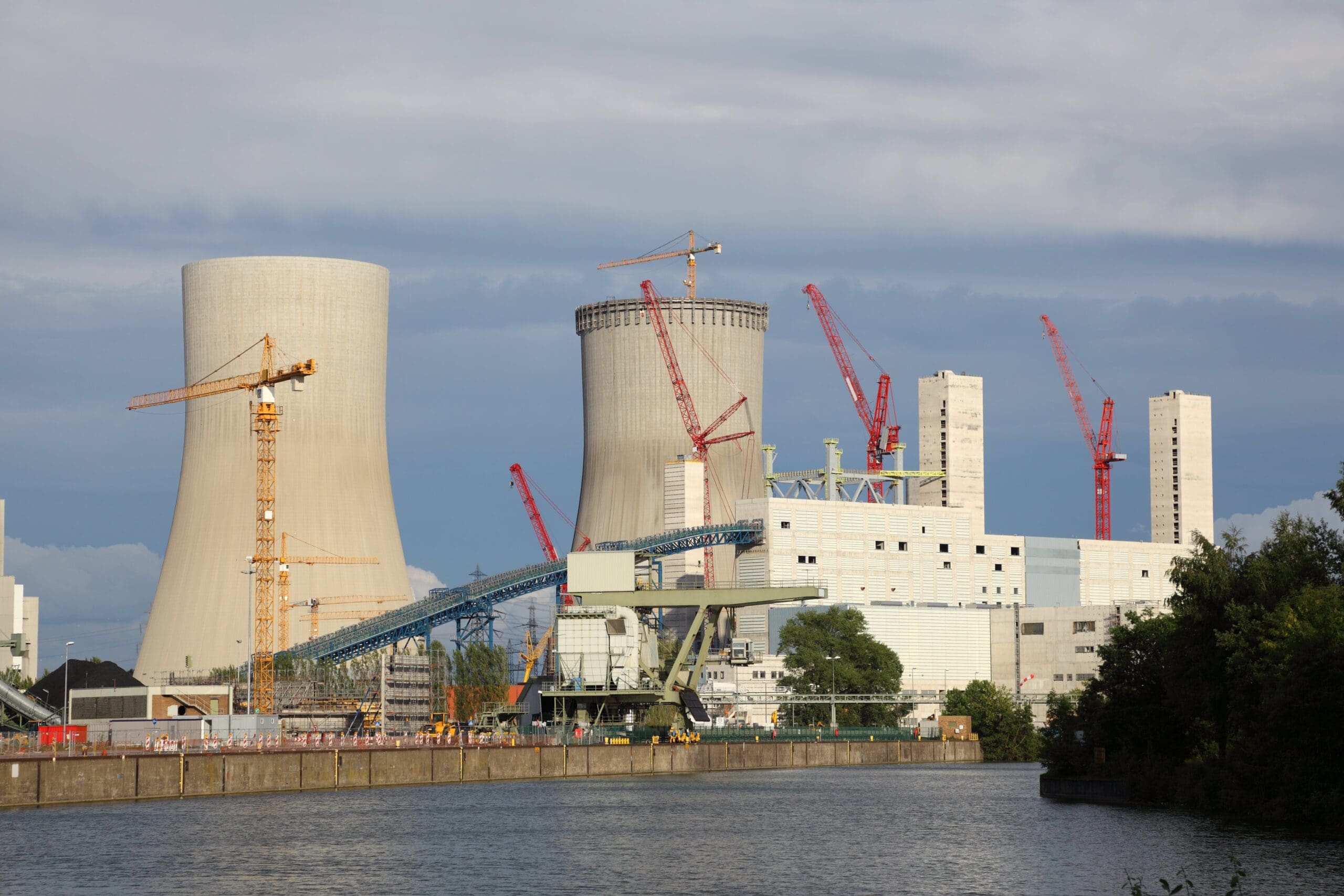
It was reported earlier this year that Meta was planning to build a nuclear-powered data center but scrapped the plan because of the sighting of a rare species of bees near the proposed site.
Meta's Commitment to Clean Energy
Facebook's parent, Meta, is considering a shift towards nuclear energy, believing that "nuclear energy will play a pivotal role in the transition to a cleaner, more reliable, and diversified electric grid." In the official form for suppliers, Meta has outlined that it will take submissions from interested suppliers until Jan 3, 2025.
Focus on Small Modular Reactors
Reportedly, while the company is soliciting proposals from partners with experience in both Small Modular Reactors (SMRs) and larger nuclear reactors, Meta is more interested in Small Modular Reactors (SMRs) since they are compact and a flexible alternative to traditional nuclear plants.

Challenges and Benefits
Nuclear plants may pose challenges such as public skepticism and regulatory hurdles. However, the benefits they offer outweigh the challenges for companies with massive computational centers. This move is in line with Meta's efforts to introduce additional clean energy sources to the grid, which already includes solar, wind, battery storage, and most recently, geothermal sources.
Source: Axios


