Nintendo cautious with AI use – report
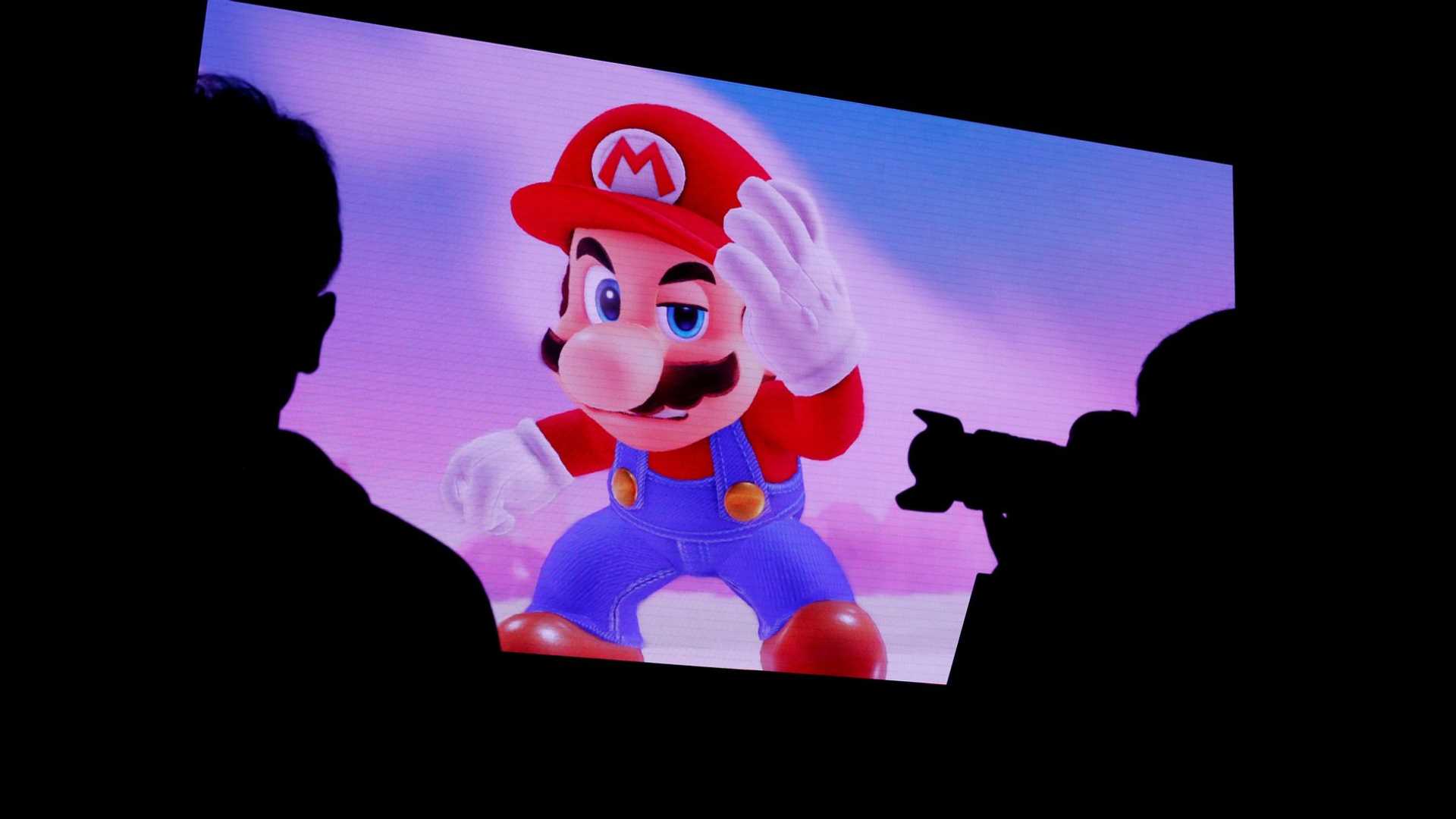
Nintendo president Shuntaro Furukawa recently mentioned in a shareholder meeting that the company has no intentions of incorporating generative AI in its first-party games, as reported by TweakTown. Furukawa acknowledged the longstanding use of AI-like technology in controlling enemy character movements in the gaming industry, emphasizing the close relationship between game development and AI technology.
Despite recognizing the potential creativity of generative AI, Furukawa highlighted concerns regarding intellectual property (IP) rights associated with this technology. Nintendo remains open to adapting to technological advancements but aims to maintain its unique value by leveraging their extensive experience in game development that cannot be solely achieved through technology.
Impact of AI on Game Development
Earlier this year, Nvidia introduced NEO NPC technology at the Game Developers Conference, in collaboration with Ubisoft and InWorld, enabling non-playable characters (NPCs) to respond to spoken queries while synchronizing dialogues with mouth movements, as reported by CNET. This development showcases how AI innovations could potentially revolutionize game creation processes.

Research conducted by US management consulting firm Bain suggests that AI is expected to play a significant role in more than half of the video game development process within the next 5 to 10 years. While current AI impact primarily concentrates on the pre-production stage, it is anticipated to extend to character design, environment creation, and dialogue production in the future.
Challenges and Concerns
Despite the promising prospects AI offers for enhancing creativity in game development, issues related to IP rights persist. Various industries have raised concerns, with instances of legal disputes between companies like OpenAI and entities from the entertainment sector. Hollywood actress Scarlett Johansson also confronted OpenAI for allegedly utilizing her voice without consent, indicating a growing need to redefine IP protection in the AI era.