
Last week’s market and economic data key points:
In December, new orders for durable goods fell by $6.3 billion (-2.2%), marking the fourth decline in five months. The Federal Reserve keeps interest rates steady, maintaining the federal funds rate range at 4.25% to 4.5% and reducing holdings of Treasury and mortgage-backed securities.  Fed Chair Powell emphasized balancing employment and inflation risks, with a strong labor market for those employed but challenging for the unemployed. The European Central Bank (ECB) lowered interest rates by 25 basis points to 2.75% in January 2025, marking the fifth reduction since June 2024. Initial jobless claims in the US dropped by 16K to 207K for the week ending January 25th, while continuing claims fell by 42K to 1,858K. The real GDP increased at an annual rate of 2.3% in the fourth quarter of 2024, below expectations. Consumer and government spending were key drivers of economic activity. In December 2024, the core PCE price index, excluding food and energy, rose by 0.2%, maintaining an annual rate of 2.8%, above the Federal Reserve’s target of 2%. Higher inflation may prompt the Federal Reserve to keep interest rates high, affecting borrowing costs and potentially slowing economic growth.
Microsoft (MSFT) Q2 FY25
Microsoft (MSFT) Q2 FY25 revenue increased by 12% year-over-year, but it missed estimates. Operating income grew by 17%, net income rose by 10%, and diluted earnings per share also increased by 10%. Meanwhile, AI business achieved $13 billion in annual revenue, up 175% year-over-year.  Microsoft Cloud revenue for the quarter was a 21% increase. The company returned $9.7 billion to shareholders and expects continued growth with investments in cloud and AI infrastructure. However, cloud revenue of $40.9 billion was slightly below expectations, causing investor concerns. Microsoft’s stock fell after the Q2 report due to slower growth in Azure and worries about high AI spending.
Meta Platforms (META)
Meta Platforms (META) reported strong financial results for Q4 and the entire year of 2024. The company experienced significant growth in both revenue and net income, driven by an increase in ad impressions and higher average ad prices. Earnings highlights include a 22% year-over-year revenue increase and a 59% rise in net income. Diluted earnings per share grew by 60% year-over-year, and the operating margin for the full year was 42%. Also, daily active users increased, and the company maintained robust capital expenditures and a strong cash position. 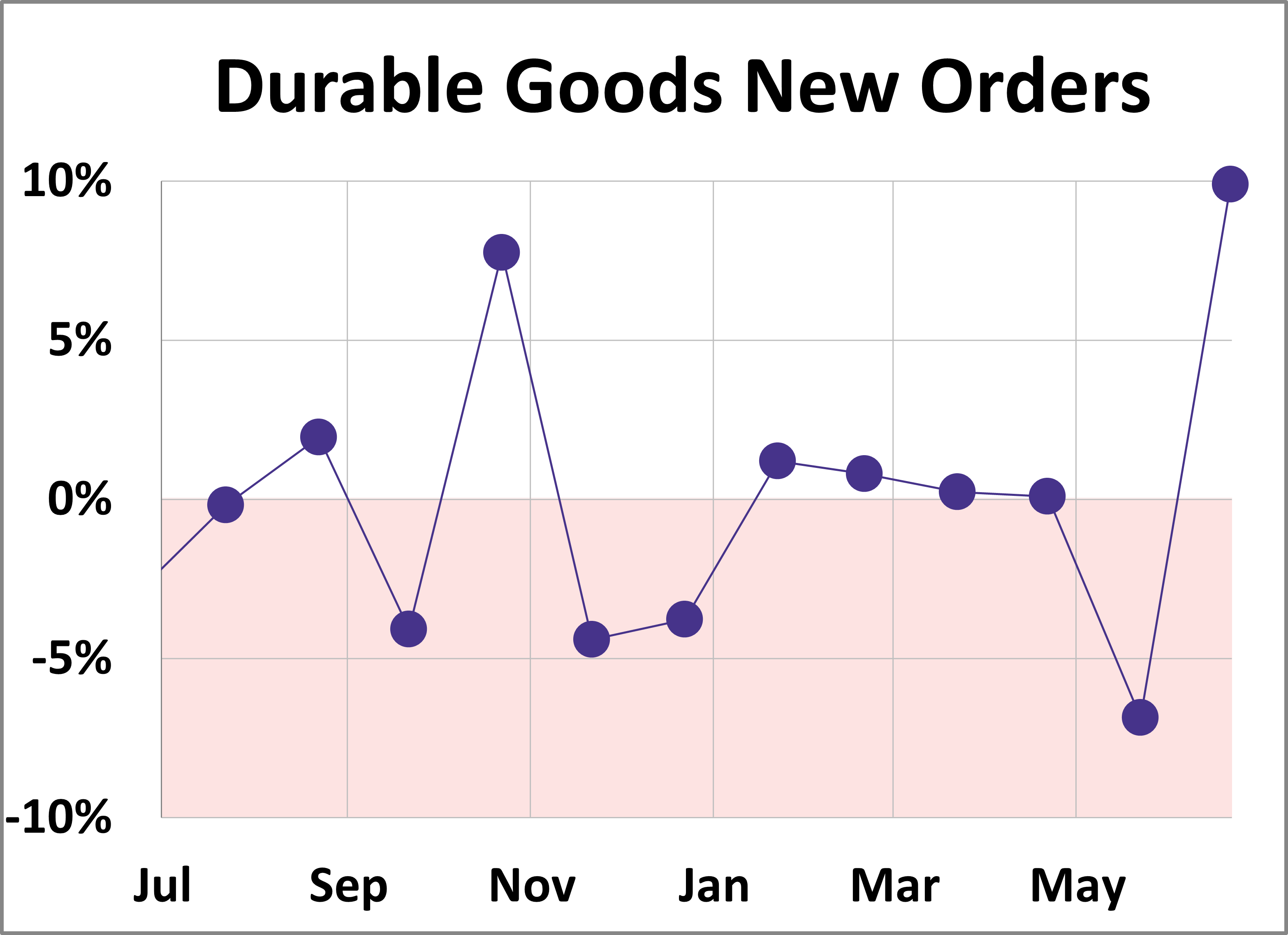 Looking forward to 2025, Meta expects continued revenue growth, investing heavily in AI, infrastructure, and talent, even amid regulatory challenges. They are optimistic about their investments in AI, augmented reality glasses, and the future of social media, aiming for sustained growth.
Tesla (TSLA)
Tesla (TSLA) reported an operating income of $7.1 billion for 2024, including $1.6 billion in Q4. Despite an EPS of $0.73 missing estimates, the company achieved revenue of $25.7 billion, beating expectations. 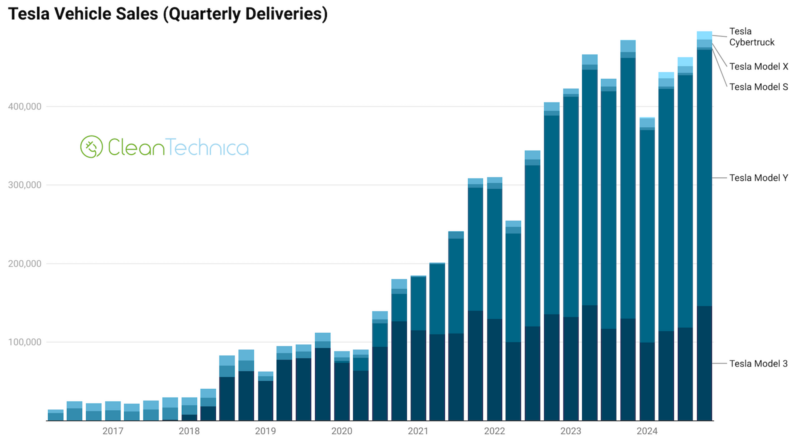 Q4 was a record quarter for vehicle deliveries and energy storage deployments. Tesla invested heavily in infrastructure, focusing on new vehicle manufacturing, AI training, and energy storage. They achieved an all-time low cost of goods sold per vehicle at about $32,500 in Q4. Elon Musk shared positive plans for 2025, including new affordable electric cars and a self-driving car service in Austin, Texas.


