How chatbots could spark the next big mental health crisis
New research from OpenAI shows that heavy chatbot usage is correlated with loneliness and reduced socialization. Will AI companies learn from social networks' mistakes?
There have been ongoing discussions about the impact of social networks like Instagram and TikTok on our collective well-being. The US Surgeon General issued an advisory in 2023, stating that social networks can negatively affect the mental health of young people. However, other studies have found that the introduction of social networks does not have a measurable effect on the population’s well-being.

While the debate on social networks continues, lawmakers in several states have passed laws to restrict social media usage due to perceived risks. However, the implementation of these laws has been blocked by courts on First Amendment grounds.
Implications of Chatbot Usage
The mother of a 14-year-old Florida boy sued chatbot maker Character.ai, blaming it for her son's suicide. Additionally, millions of Americans, including both young people and adults, are entering emotional and even sexual relationships with chatbots.
As chatbots become more engaging, personalized, and supportive, questions arise about how extended use of these bots will affect their human users and what platforms should do to mitigate risks.
Research Findings
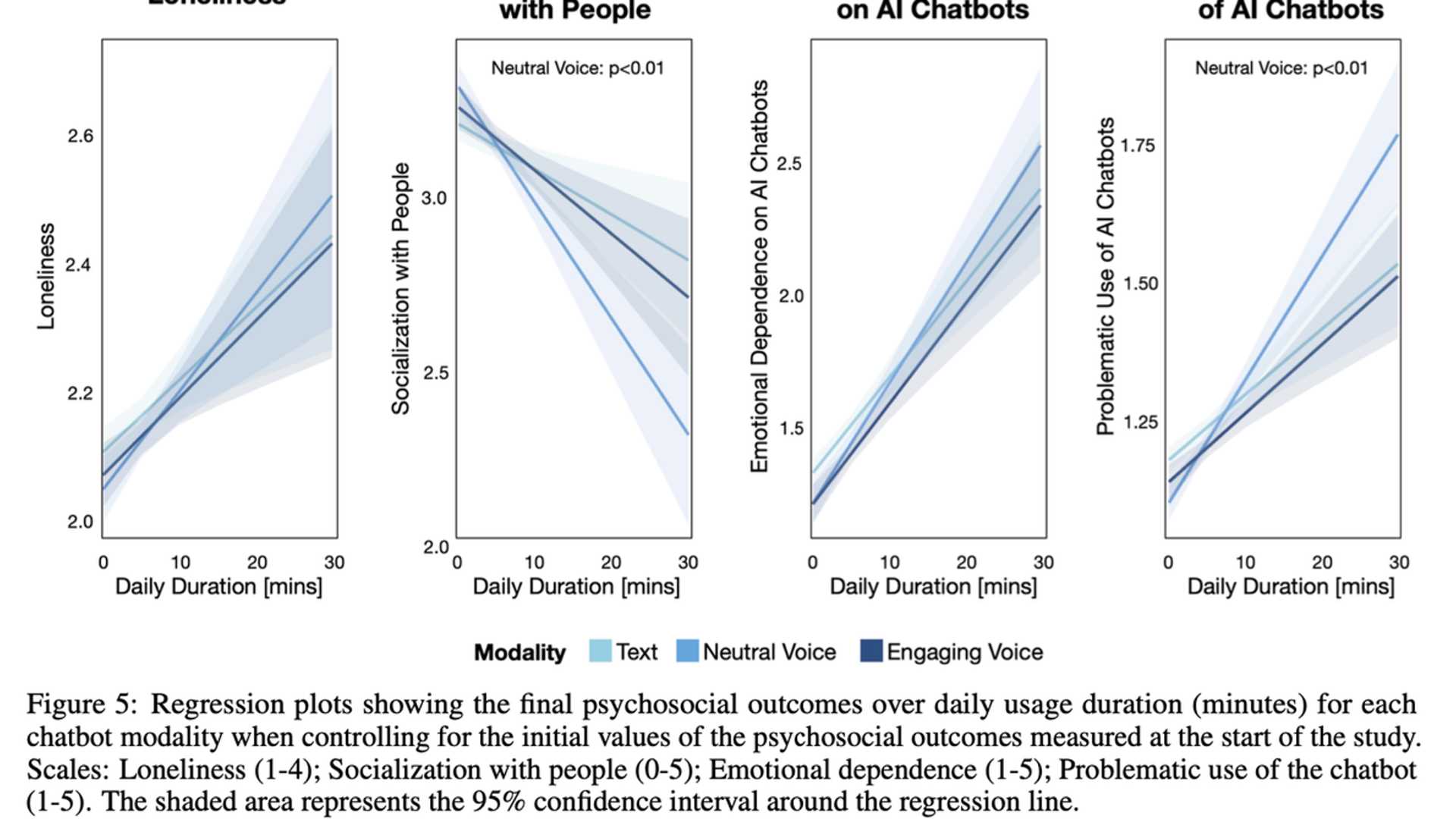
Two new studies published by researchers from the MIT Media Lab and OpenAI delve into the emotional impact of using ChatGPT, highlighting concerns about increased loneliness, emotional dependence, and reduced social interaction among heavy users.

The studies emphasize the importance of understanding the implications of building chatbots optimized for engagement and suggest a need for platforms to address the potential risks associated with prolonged chatbot use.
Designing Ethical Chatbots
To prevent exploitative practices and promote user well-being, researchers recommend developing chatbots that serve users’ needs without exploiting them, a concept known as "socioaffective alignment." Platforms should also consider implementing features to monitor usage patterns that may indicate unhealthy relationships with chatbots.
In conclusion, while chatbots have the potential to offer benefits such as emotional support, it is crucial for developers to prioritize user mental health and acknowledge their responsibility in creating positive interactions. By learning from the lessons of social networks, the AI industry can strive to ensure chatbots have a constructive impact on users' well-being.