US Drops Bid to Make Google Sell Anthropic Investments in Antitrust Case
The US Department of Justice on Friday abandoned a proposal to compel Alphabet's Google to divest its interests in artificial intelligence firms, including the Anthropic platform, in a bid to enhance competition in the online search sector. This decision comes as part of ongoing antitrust actions against major tech companies in the United States.
While the DOJ has withdrawn the specific demand for Google to offload its AI investments, it, along with a group of 38 state attorneys general, still pushes for directives mandating Google's disposal of its Chrome browser and other corrective actions aimed at rectifying what a judge has deemed as Google's unlawful dominance in search services. These details were disclosed in court documents filed in Washington.
Ensuring Fair Competition
In their court filings, prosecutors emphasized that the essence of the American dream transcends mere consumerism and underscores values like freedom of speech, innovation, and competitive market dynamics free from the constraints of monopoly control. They argue that preserving these principles is crucial for a healthy economy and society at large.
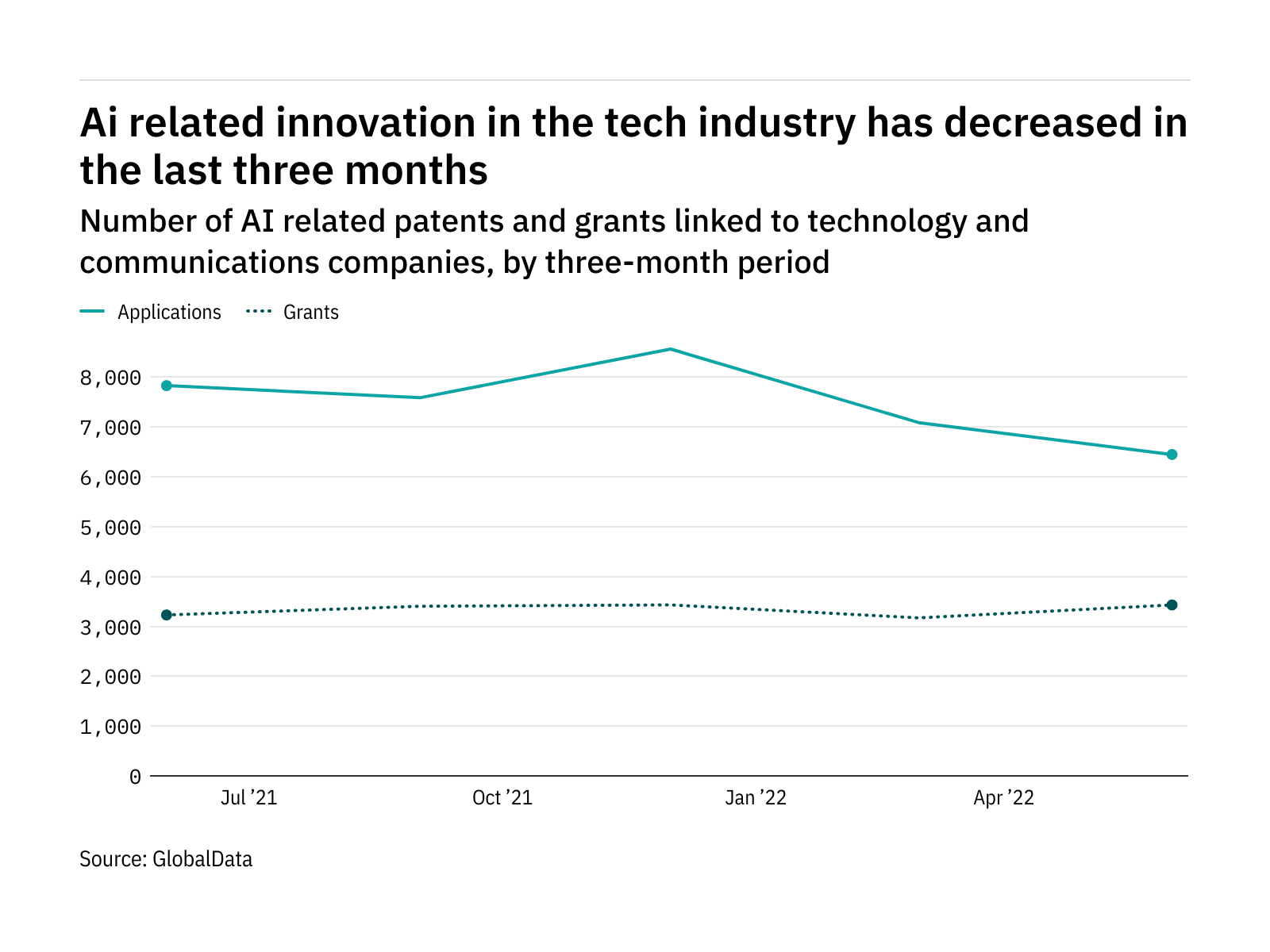
In line with the discussions surrounding competition, here is a glimpse of the Artificial intelligence innovation among tech industry companies:
On the other hand, Google maintains that the proposed remedies go far beyond the court's ruling and could have detrimental effects on consumers, the economy, and national security, a sentiment reiterated by a company spokesperson in response to the legal developments.
Anthropic, a key player in the AI sphere and a direct competitor to OpenAI, has not issued an immediate comment on the latest turn of events, indicating a need for further clarity on the implications for its operations.
Implications for Google and the Tech Industry
The potential divestment of Google's stake in Anthropic, amounting to billions of dollars, could tip the scales in favor of rival firms like OpenAI and its strategic partner, Microsoft, as Anthropic conveyed in its communication to the court earlier this year.
The evolving landscape of AI technology has prompted prosecutors to reconsider their initial recommendation from last November, expressing concerns over the unintended repercussions of restricting Google from investing in AI innovations. They now propose a framework where Google would need to inform the government in advance of any future ventures in the generative AI domain.
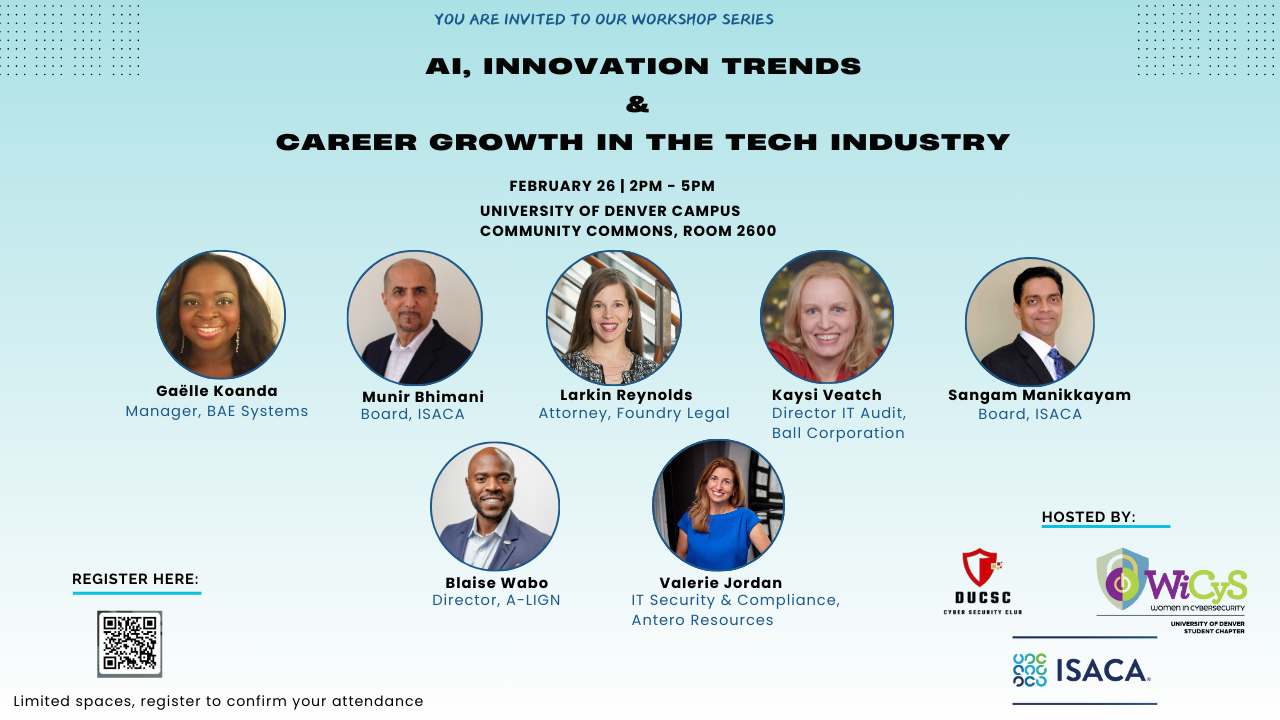
Here is a glimpse of WiCyS University of Denver Student Chapter | AI, INNOVATION TRENDS:
Despite Google's plan to challenge these directives, the company has tabled its own suggestions, including revisions to agreements with major tech players like Apple to allow for greater flexibility in search engine preferences on new devices. The legal proceedings, overseen by US District Judge Amit Mehta, are scheduled for a trial in April to deliberate on these proposals.
Broader Antitrust Landscape
This high-profile case forms part of a broader crackdown on alleged anticompetitive practices by leading tech corporations in the US. Apart from Google, companies like Apple, Meta Platforms, and Amazon.com are also under scrutiny for purportedly maintaining monopolistic control in their respective sectors.
Google's contention against the DOJ's approach centers on the potential ramifications for its AI capabilities and the broader implications for America's global standing in the tech industry. Both Democratic and Republican state attorneys general, along with the Alphabet Workers Union-CWA, have voiced support for the proposed interventions to address competition concerns.
While the specific measures outlined in the November recommendations have undergone some adjustments, the core objectives remain intact. For instance, the provision mandating Google to share search query data with competitors now includes provisions for nominal fees and national security considerations to strike a balance between competition and privacy.
Here is a glimpse of Three ways the US could help universities compete with tech:

The evolving dynamics in the tech industry, coupled with the legal battles facing major players, underscore the complexities of regulating competition in the digital age and the broader implications for innovation and consumer welfare.


