Gmail’s Gemini AI Assistant: A Review
At the 2024 I/O developer conference, Google unveiled its new Gemini AI assistant for Gmail, promising to revolutionize email management. The Gemini AI aims to sift through emails, summarize content, and provide intelligent responses. This advancement is part of Google's larger initiative to integrate AI across its key products, with a focus on making AI accessible and beneficial to everyone.
Exploring Gemini's Capabilities
As a user with early access to the Workspace lab account, I delved into testing Gemini's features firsthand. The Gemini 1.5 Pro model stands out for its ability to mimic human cognitive processes, enabling it to understand context and provide personalized responses. This AI-powered assistant can scan through emails, documents, and other files to craft appropriate replies.
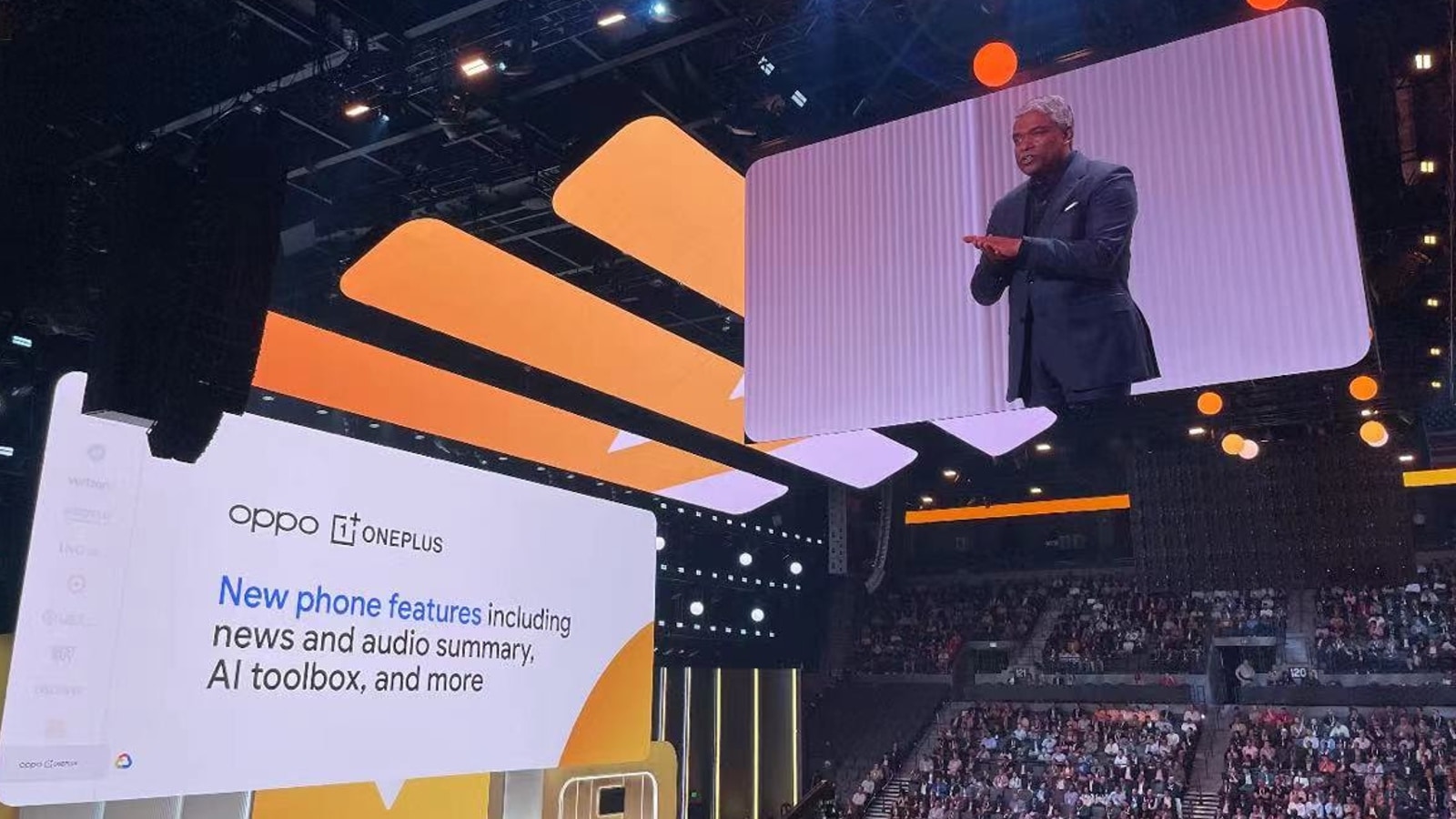
One notable feature showcased by Google's VP and GM of Google Workspace, Aparna Pappu, was the ability of Gemini to offer tailored responses based on the content of emails. This includes suggesting detailed replies for different scenarios, streamlining workflows, and automating tasks such as managing expenses.
User Experience and Limitations
Setting up Gemini in Gmail is straightforward, and the assistant appears as a sidebar in the inbox. Users can interact with Gemini through chat-like interactions, leveraging its ability to search through emails for information. Additionally, the "Summarize" function proved to be particularly useful for condensing lengthy emails and documents into digestible summaries.

However, Gemini is still in beta, and certain limitations were observed during testing. The assistant does not integrate seamlessly with all Google apps, and it may struggle with complex tasks like extracting specific details from emails. Furthermore, concerns exist regarding privacy and data security, as Google may analyze interactions with Gemini to enhance its machine learning algorithms.
Future Implications and Verdict
While Gemini shows great potential in enhancing productivity and email management, there are areas that require refinement. The current focus on desktop usage limits its utility, especially considering the mobile-centric nature of email communication. User trust and data privacy are crucial factors that Google needs to address before widespread adoption.
In conclusion, Google's Gemini AI assistant presents a glimpse into the future of email management. With further development and attention to user concerns, it could truly revolutionize how we interact with our inboxes. As the capabilities of AI continue to evolve, striking a balance between functionality and privacy remains paramount for widespread acceptance.


