
Generative AI Tools: ChatGPT, GPT, Siri, Grammarly Explained
Generative AI tools have revolutionized the way we interact with technology, impacting various tasks such as content creation, software development, scheduling, and email editing. As artificial intelligence continues to play a significant role in our daily workflows, there is a growing curiosity about which tools are classified as generative AI. Are ChatGPT, Siri, and Grammarly considered generative AI tools?
Understanding Generative AI
Generative AI refers to artificial intelligence systems capable of producing original content, whether it be text, images, music, or code, rather than solely analyzing or retrieving information. These tools leverage sophisticated models like transformers and deep neural networks to identify patterns and generate contextually relevant outputs in response to user inputs.
Unlike traditional AI applications that may organize emails or offer product recommendations, generative AI tools generate content that is entirely new. This could include personalized poems, unique images, or even the draft of a legal document.
Exploring Key Generative AI Tools
ChatGPT: Developed by OpenAI, ChatGPT stands out as a widely used and easily accessible example of generative AI. Powered by models such as GPT-3.5 and GPT-4, ChatGPT serves as a versatile productivity tool with genuine generative capabilities across various fields like education, marketing, programming, and customer support.

GPT (Generative Pre-trained Transformer): The GPT family comprises large language models that drive tools like ChatGPT and other customized AI solutions. Trained on extensive text datasets from the internet, these models excel at predicting and generating natural language, with the effectiveness of any text-generation platform being heavily influenced by the GPT architecture.
Evaluation of Specific Tools
Grammarly: While Grammarly has become indispensable to writers, professionals, and students for its real-time grammar, spelling, and tone checks, it is categorized as an AI-powered assistant rather than a core generative AI tool. Nevertheless, Grammarly does incorporate some generative techniques to enhance text quality.
Siri: Apple's voice assistant, Siri, combines natural language processing with machine learning. Despite its conversational features, Siri does not possess the creative content-generation capabilities found in tools like ChatGPT or GPT-based systems.
Top Generative AI Tools Overview
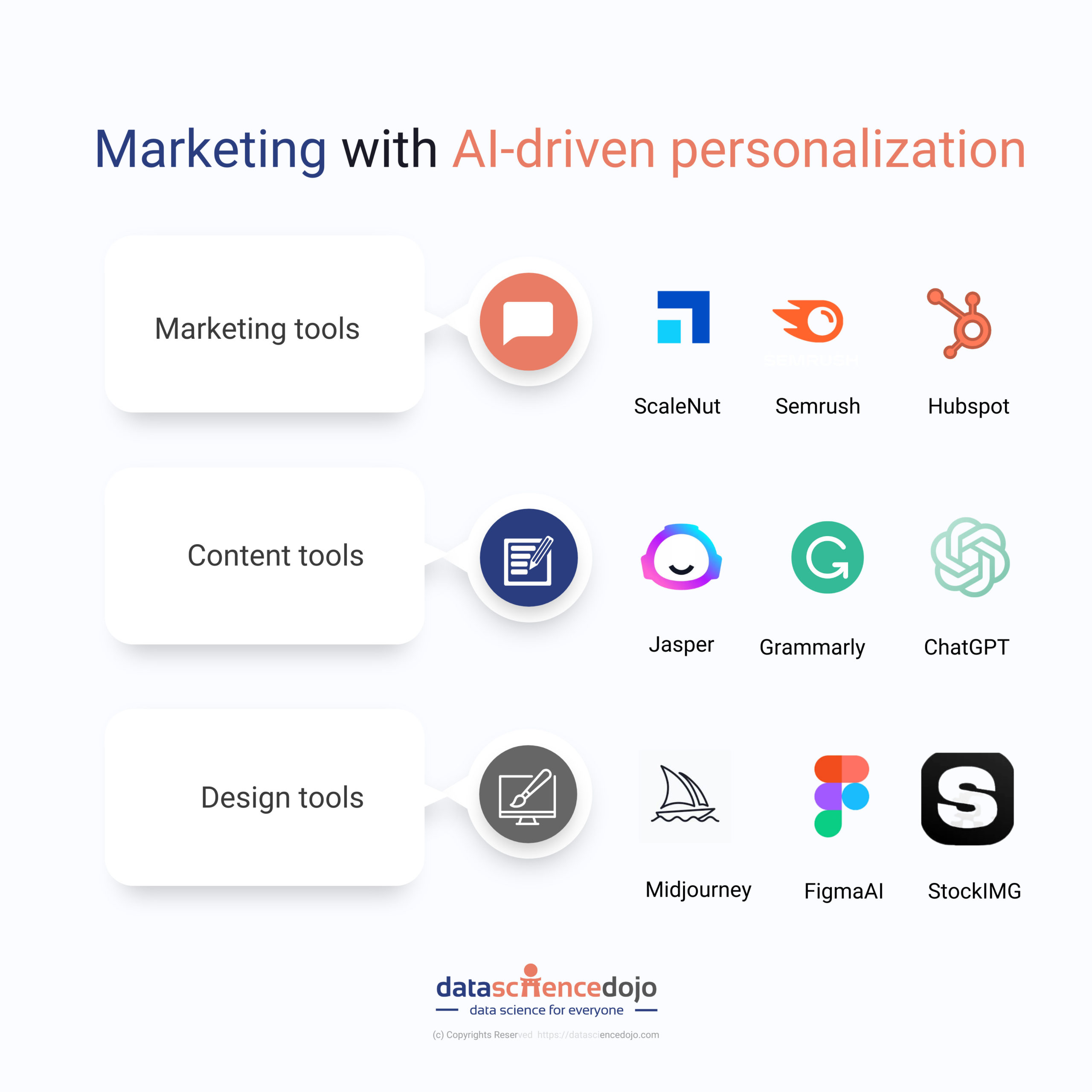
Below is a summary of key generative AI tools widely adopted across various industries, facilitating tasks ranging from creative content creation to personalized data applications:
- ChatGPT: ✔ Yes - Conversational, adaptable, and capable of original text generation
- GPT (Models): ✔ Yes - Foundation model for many gen AI tools and APIs
- Jasper.ai: ✔ Yes - Marketing-focused content generator with templates
- Grammarly: ⚠️ Partially - Refines text, some rephrasing, but doesn’t create original content
- Siri: ⚠️ Partially - Executes commands, basic replies—limited generative elements
- Gemini: ✔ Yes - Google’s large language model, optimized for search integration
- Microsoft Copilot: ✔ Yes - AI embedded in Word, Excel, Outlook for writing, coding, and more
- Midjourney: ✔ Yes - Text-to-image AI for high-quality, creative visual assets
- Adobe Firefly: ✔ Yes - Generative AI for design—images, color palettes, templates
- Notion AI: ✔ Yes - Productivity assistant that drafts and summarizes notes
Spotting Authentic Generative AI Tools
Use the following checklist to identify genuine generative AI tools:
- If a tool merely automates tasks or generates predefined responses, it likely does not fall within the generative AI category.
The Evolution of Generative AI Tools
Generative AI tools continue to advance rapidly, offering practical solutions across diverse industries. From ChatGPT's dynamic text generation capabilities to GPT's integration possibilities, these technologies empower individuals and organizations to enhance creativity, efficiency, and communication.

At Glance, we leverage the power of Gen AI to enrich your shopping experience, provide timely news updates, deliver accurate weather forecasts, and more, integrating generative AI seamlessly into your daily routine.
Frequently Asked Questions about Generative AI
1. What are generative AI tools?
Generative AI tools are software applications driven by machine learning models that generate original content—such as text, images, code, or music—based on user inputs or prompts.
2. What is an example of a generative AI?
ChatGPT serves as a prime illustration of generative AI, capable of producing human-like text responses, creative writing, summaries, and more based on specific prompts.
3. What are the different types of generative AI?
Generative AI encompasses tools tailored for text (ChatGPT), images (Midjourney, DALL·E), code (GitHub Copilot), video (Runway), and music (AIVA, Soundraw), each specializing in content creation.
4. What is the difference between AI and generative AI?
Traditional AI executes tasks based on rules or data, while generative AI goes a step further by creating new, original content like text, images, or code using learned patterns.


