
OpenAI Blocks Iranian Influence Operation Using ChatGPT for U.S. Election
On Friday, OpenAI announced that it had identified and banned a group of accounts associated with an Iranian influence operation known as Storm-2035. The operation utilized ChatGPT to produce content that centered around various topics, including commentary on the upcoming U.S. presidential election. The content generated by this operation was shared on social media platforms and websites.
According to OpenAI, the generated content did not receive significant engagement, with most social media posts receiving very few likes, shares, and comments. Furthermore, there was limited evidence to suggest that the long-form articles produced using ChatGPT were circulated widely on social media.
Targeting U.S. Politics and Global Events
The articles created by the Iranian operation covered a range of topics such as the conflict in Gaza, Israel's participation in the Olympic Games, the U.S. presidential election, politics in Venezuela, and more. These articles were published on five different websites posing as both progressive and conservative news outlets, indicating an effort to target individuals across the political spectrum.
Microsoft's Findings
Microsoft also highlighted Storm-2035 as one of the threat activity clusters in a recent report. The network was described as actively engaging with U.S. voter groups on various issues, including the U.S. presidential candidates, LGBTQ rights, and the Israel-Hamas conflict. The group set up fake news and commentary websites like EvenPolitics, Nio Thinker, Savannah Time, Teorator, and Westland Sun, some of which plagiarized content from U.S. sources.

Furthermore, Microsoft warned of increased foreign influence activities targeting the U.S. election, with networks from both Iran and Russia being involved. These networks, such as Ruza Flood, Storm-1516, and Storm-1841, have been using various tactics to spread misinformation and polarizing messages.
APT42 Spear-Phishing Campaigns
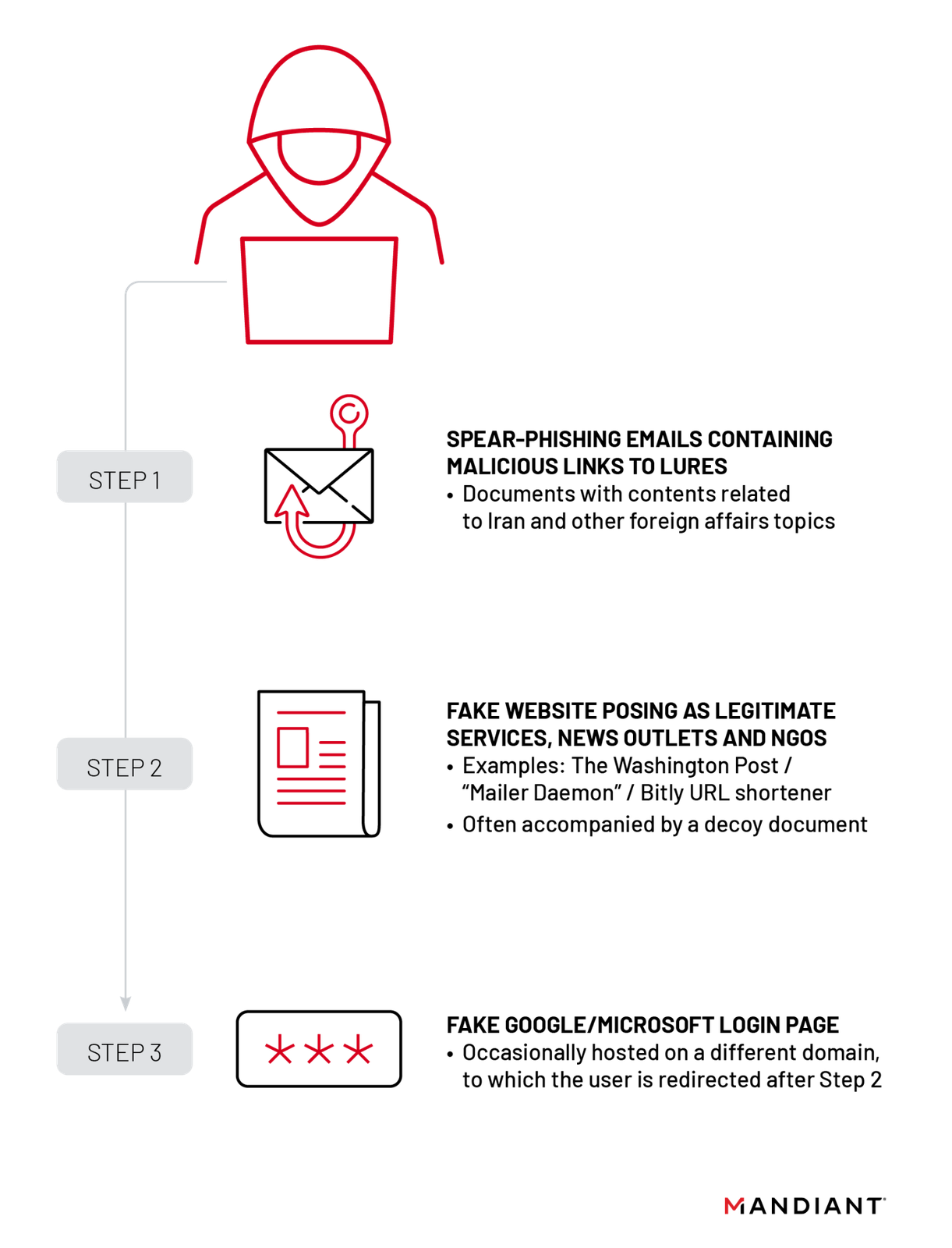
Google's Threat Analysis Group recently uncovered Iranian-backed spear-phishing efforts aimed at high-profile individuals in Israel and the U.S., including those associated with presidential campaigns. The activities were linked to a group known as APT42, which is affiliated with Iran's Islamic Revolutionary Guard Corps. APT42 uses sophisticated social engineering techniques to trick targets into disclosing their login information through malicious links and phishing pages.
This ongoing battle against influence operations highlights the importance of vigilance and cybersecurity measures to protect against malicious activities on the internet.
Original Source: The Hacker News


