ChatGPT hits nearly 4 billion monthly visitors as growth slows to a...
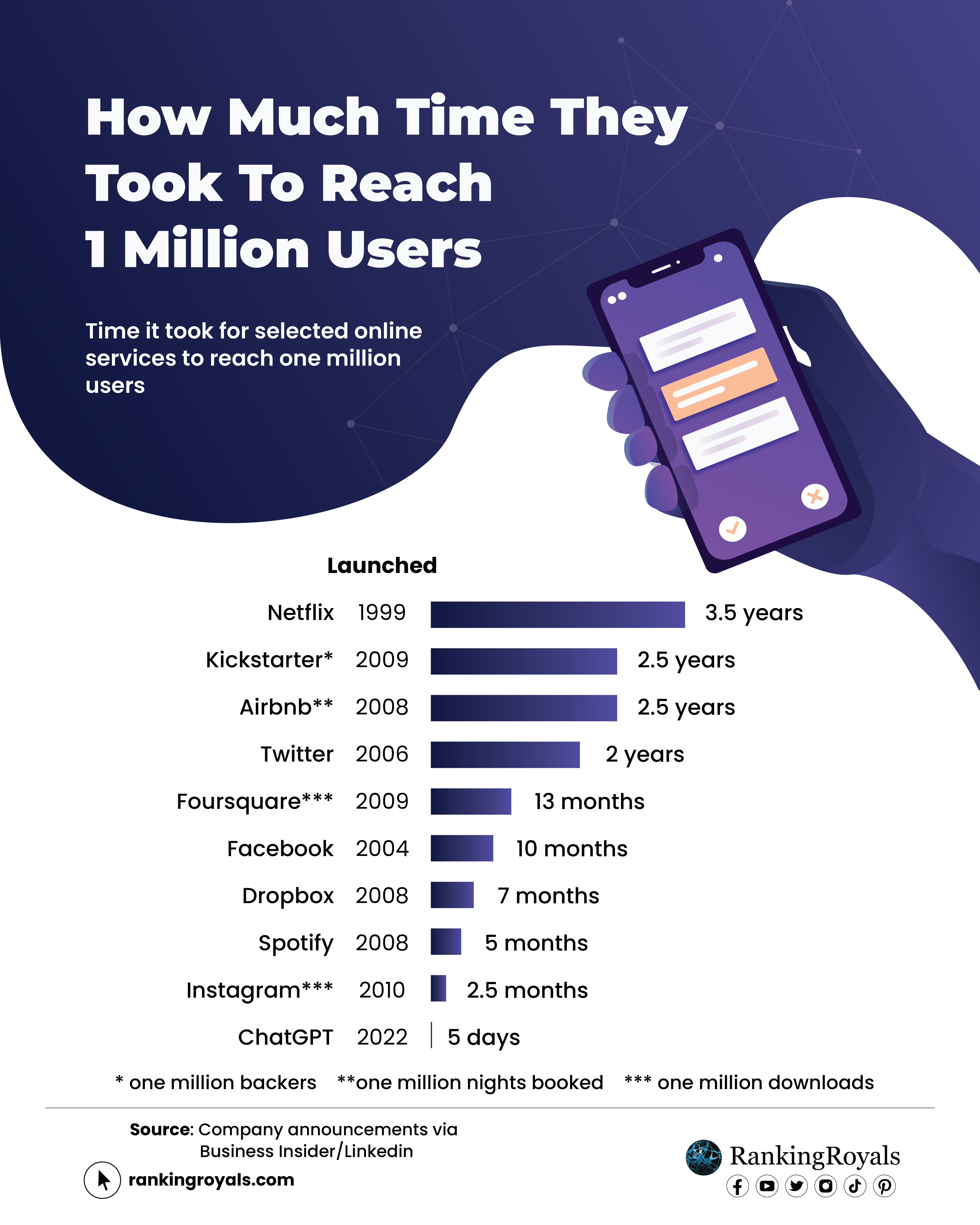
Artificial Intelligence is making waves in the digital world, with OpenAI's chatbot, ChatGPT, reaching a staggering 3.905 billion visitors last month, setting a new record in the industry. This feat comes despite a marginal increase of only 1.44% from the previous month, indicating a slowdown in its monthly growth. However, the year-over-year growth remains robust at 137% compared to the same period in 2024.
Global Rankings and Subscriber Growth
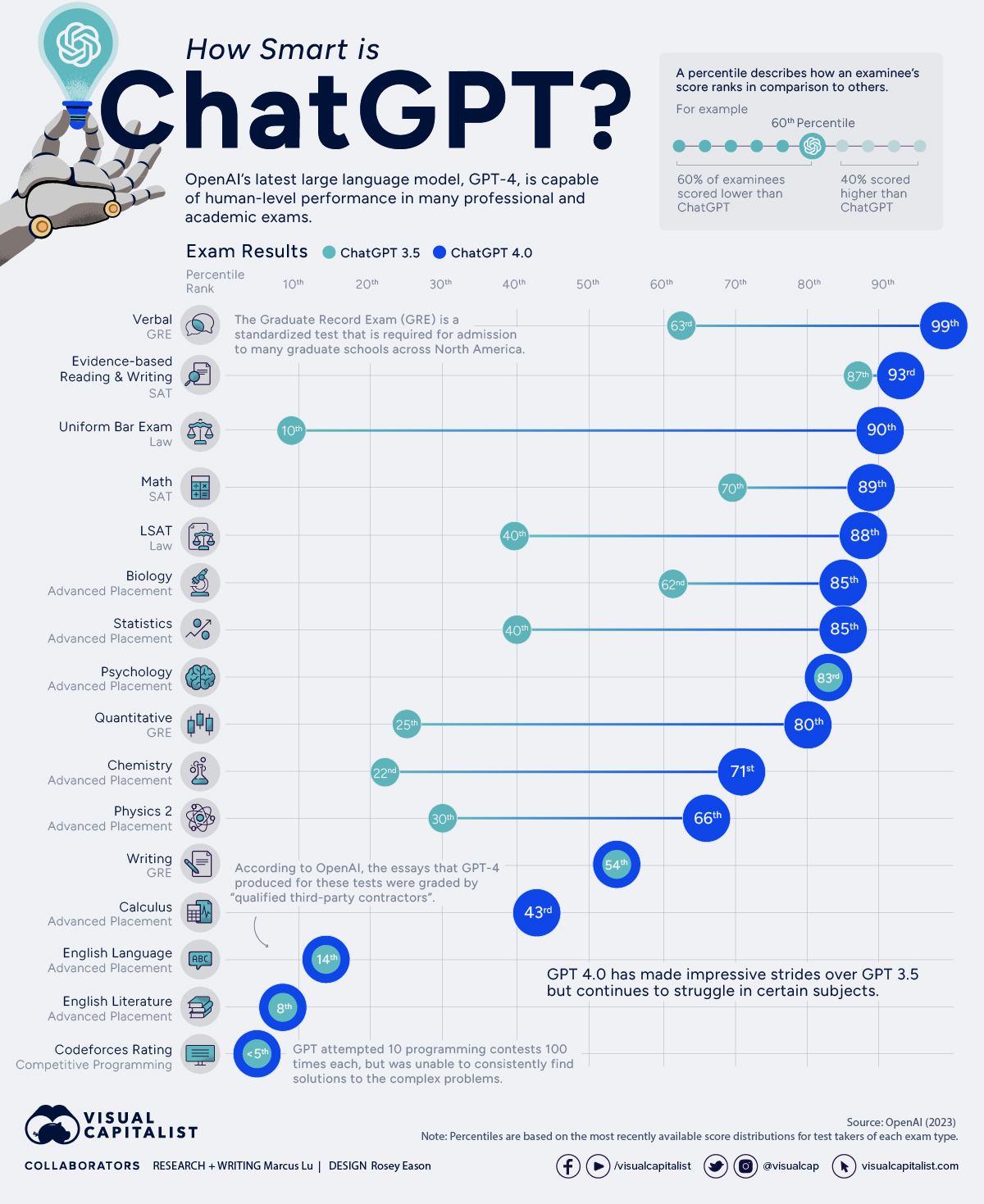
As a result of these impressive numbers, ChatGPT has climbed the global rankings, now standing as the fifth most visited desktop website worldwide and seventh overall when considering both desktop and mobile traffic. Reports suggest that by the end of 2024, ChatGPT had amassed 15.5 million paying subscribers, a substantial increase from the 5.8 million subscribers it had at the beginning of the year.
While ChatGPT continues to dominate the AI chatbot landscape, its Chinese competitor, Deepseek, has been making strides. Deepseek's 6.2 million daily website visits in January fell significantly short of ChatGPT's 117.5 million visits during the same period.
Traffic Patterns and Concerns
Despite its massive user base, ChatGPT has been found to generate minimal outbound traffic, particularly in the U.S. According to Similarweb data, over the past six months, major news providers like Reuters, The New York Post, and The New York Times received relatively low referrals from ChatGPT, indicating a disconnect between the chatbot's popularity and its ability to drive traffic to external sources.
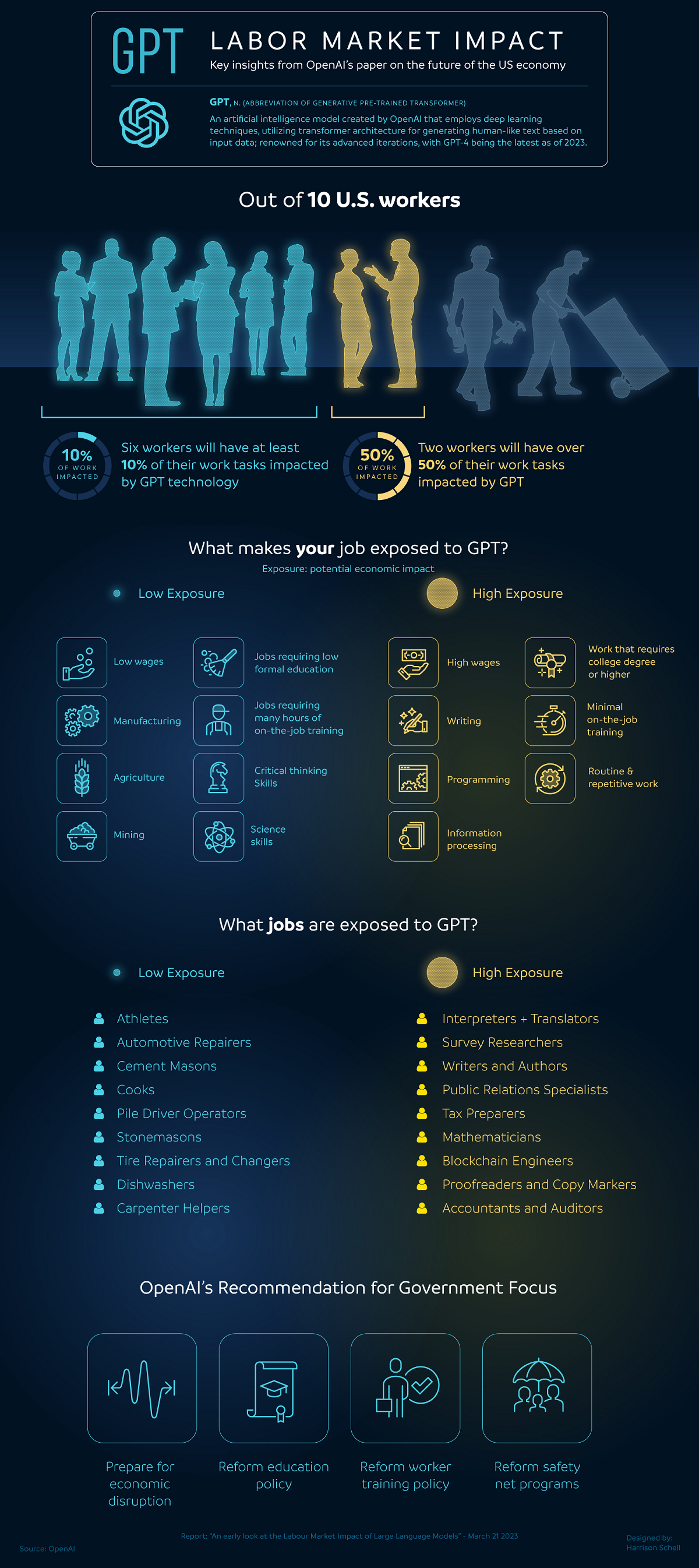
This trend underscores a concerning pattern where although ChatGPT is among the most visited websites online, it directs very few users to the content it references. Even when combined, the top 10 news sites, including prominent names like the Wall Street Journal, Forbes, and Business Insider, received fewer than 300,000 total referrals over a six-month period.
While OpenAI has established various media partnerships to enhance its content sourcing, the lack of user engagement with original content remains a challenge. Studies have shown that a significant portion of AI answer engine users seldom click on source links, highlighting a potential issue with information verification and the impact on the traditional web ecosystem.
As AI-driven services like ChatGPT and Google's new AI search feature become more prevalent, there are growing concerns about the implications for the integrity of information dissemination and the balance of the online information landscape.