Revolutionizing the future: unleashing the potential of generative AI
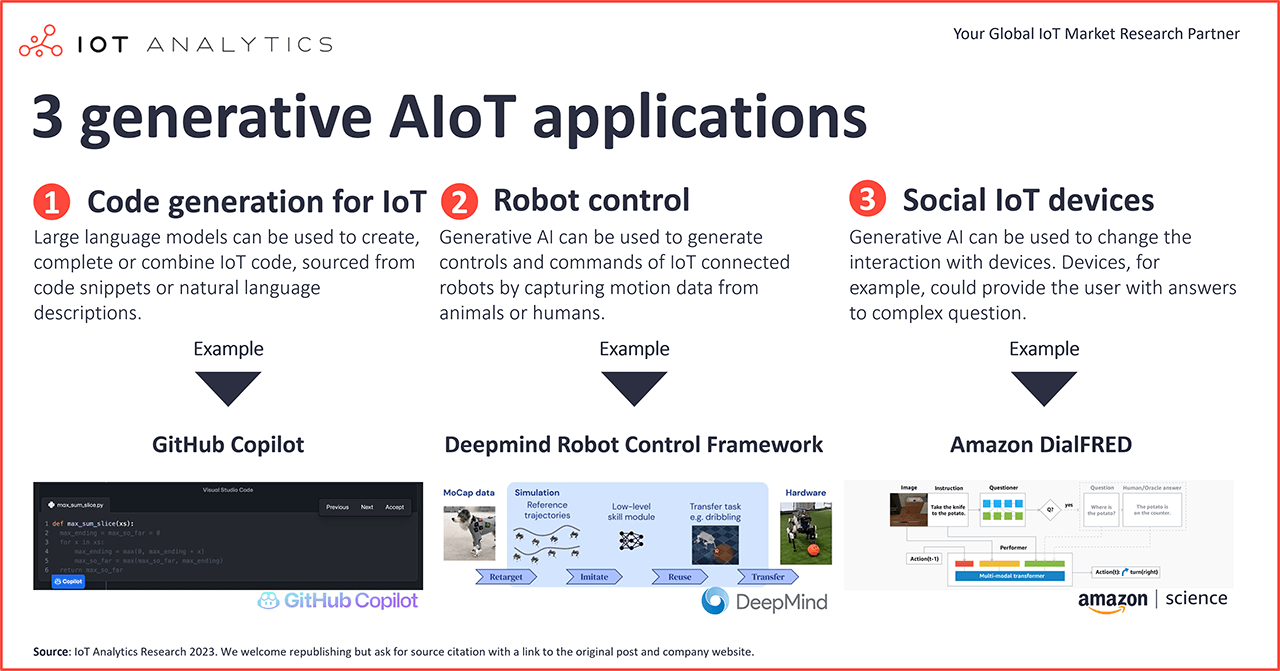
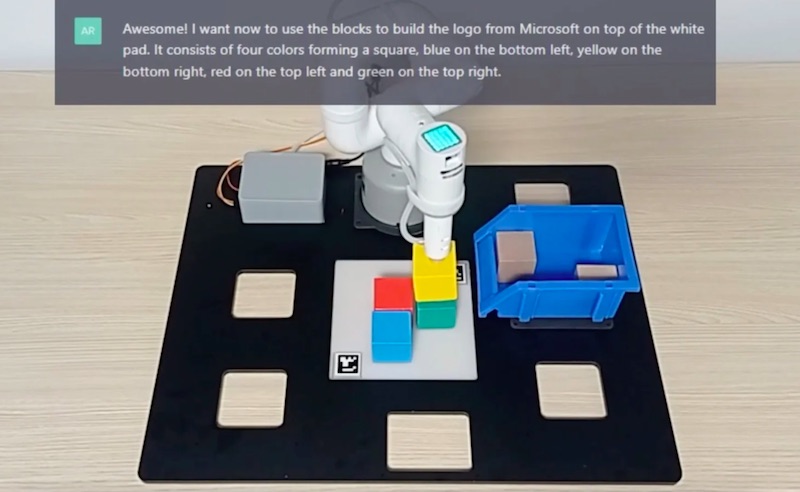
Incorporating generative artificial intelligence (AI) models, particularly ChatGPT, into resilience marks a big step forward in how communities may adapt and survive in the face of various difficulties. ChatGPT applications, such as tracking, mapping, geospatial analysis, remote sensing techniques, robotics, drone technology, machine learning, and environmental impact analysis, are key technological elements driving societal change. These advancements have important implications for studying how societies respond to hazards and disasters.
Scholars in the field of social science have employed diverse technologies and methodologies to investigate risks and catastrophes from disciplinary, transdisciplinary, and interdisciplinary perspectives. ChatGPT’s exceptional language processing and reasoning abilities have aroused widespread attention and protracted arguments in various domains. Articles on ChatGPT’s role in disaster management from 2021 to 2024 were selected and reviewed. Through the systematic review methodology of three research engines, Scopus, Web of Science, and Science Direct, researchers explore the role of ChatGPT in disaster management.
Exploring ChatGPT's Role in Disaster Management
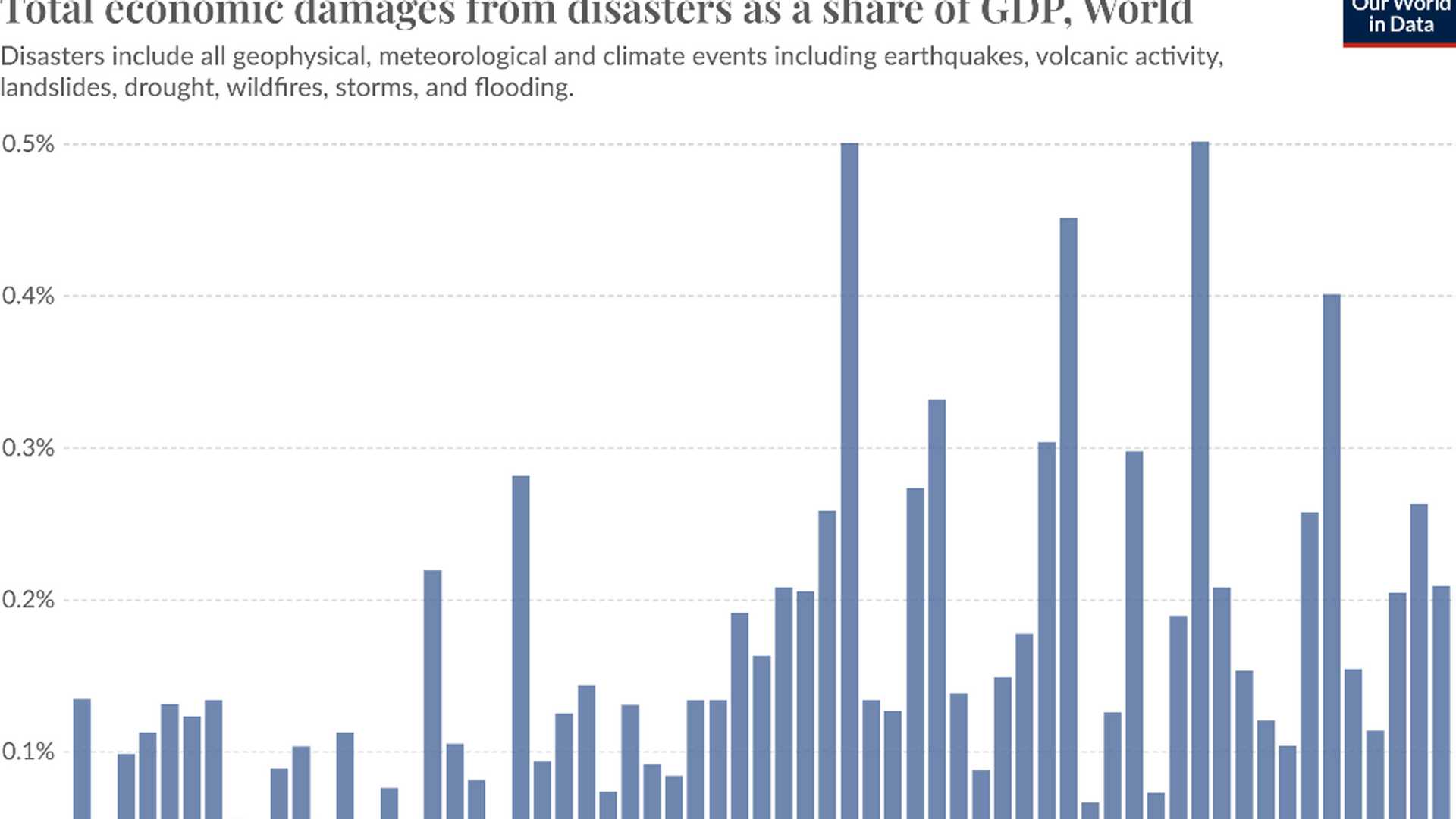
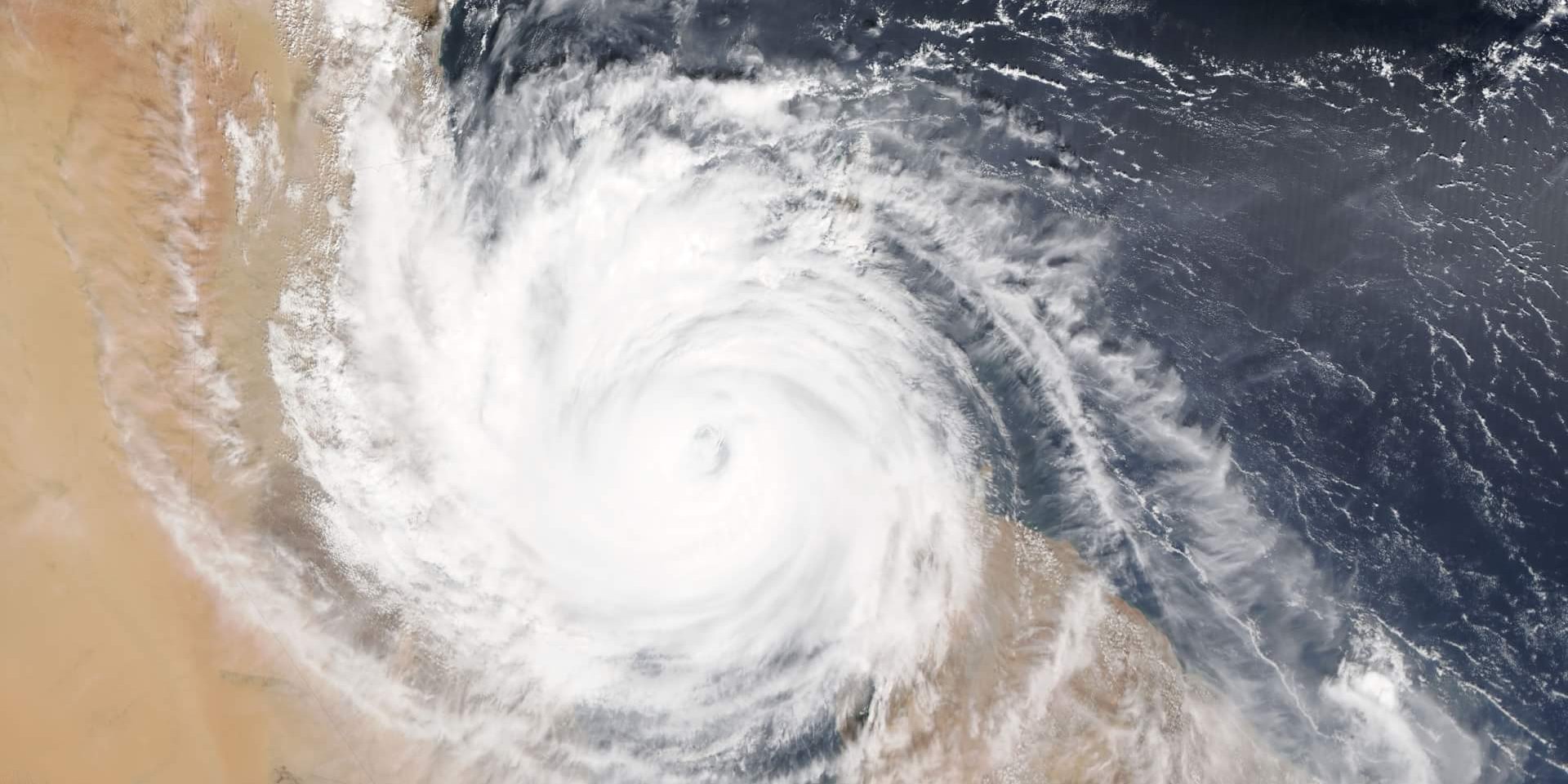
This study looks into the possibilities of ChatGPT’s capabilities for disaster mitigation, preparedness, response, and recovery. The study also describes ChatGPT’s support in three stages: before, during, and after a crisis. Furthermore, it highlights the existing limitations and constraints of using ChatGPT’s and recommends potential avenues for future research in mitigating the impact of natural disasters.
This is a preview of subscription content, to check access.
Price excludes VAT (USA). Tax calculation will be finalised during checkout. Instant access to the full article PDF. Institutional subscriptions Not applicable.
References
- Abid SK, Sulaiman N, Al-Wathinani AM, Goniewicz K (2024a) Community-based flood mitigation in Malaysia: enhancing public participation and policy effectiveness for sustainable resilience. J Glob Health 14:04290. Article
- Abid SK, Chan SW, Sulaiman N, Nazir U, Ismail F, Ahmad MF, Tasmin R (2024b) Theoretical framework development for flood vulnerable communities using geographic information system for disaster risk reduction: mediating role of flood risk perception. In: Proceedings of the 2024 13th International Conference on Informatics, Environment, Energy and Applications, pp 23–28
- Aboualola M, Abualsaud K, Khattab T, Zorba N, Hassanein HS (2023) Edge technologies for disaster management: a survey of social media and artificial intelligence integration. IEEE Access 11:73782–73802. Article
- Ahmed I, Kajol M, Hasan U, Datta PP, Roy A, Reza MdR (2024) ChatGPT versus Bard: a comparative study. Engineering Reports. Article
- Alam MF, Lentsch A, Yu N, Barmack S, Kim S, Acemoglu D, Hart J, Johnson S, Ahmed F (2024) From automation to augmentation: redefining engineering design and manufacturing in the age of nextgen-ai. An MIT Exploration of Generative AI. Article
- Alanezi F (2024) Assessing the effectiveness of chatgpt in delivering mental health support: a qualitative study. J Multidiscip Healthc 17:461–471. Article
- Alawida M, Mejri S, Mehmood A, Chikhaoui B, Isaac Abiodun O (2023) A comprehensive study of ChatGPT: advancements, limitations, and ethical considerations in language processing and cybersecurity. Information 14:462. Article
- Albahri AS, Khaleel YL, Habeeb MA, Ismael RD, Hameed QA, Deveci M, Homod RZ, Albahri OS, Alamoodi AH, Alzubaidi L (2024) A systematic review of trustworthy artificial intelligence applications in natural disasters. Comput Electr Eng 118:109409. Article


