WNBA setting records despite league's early struggles - Las Vegas ...
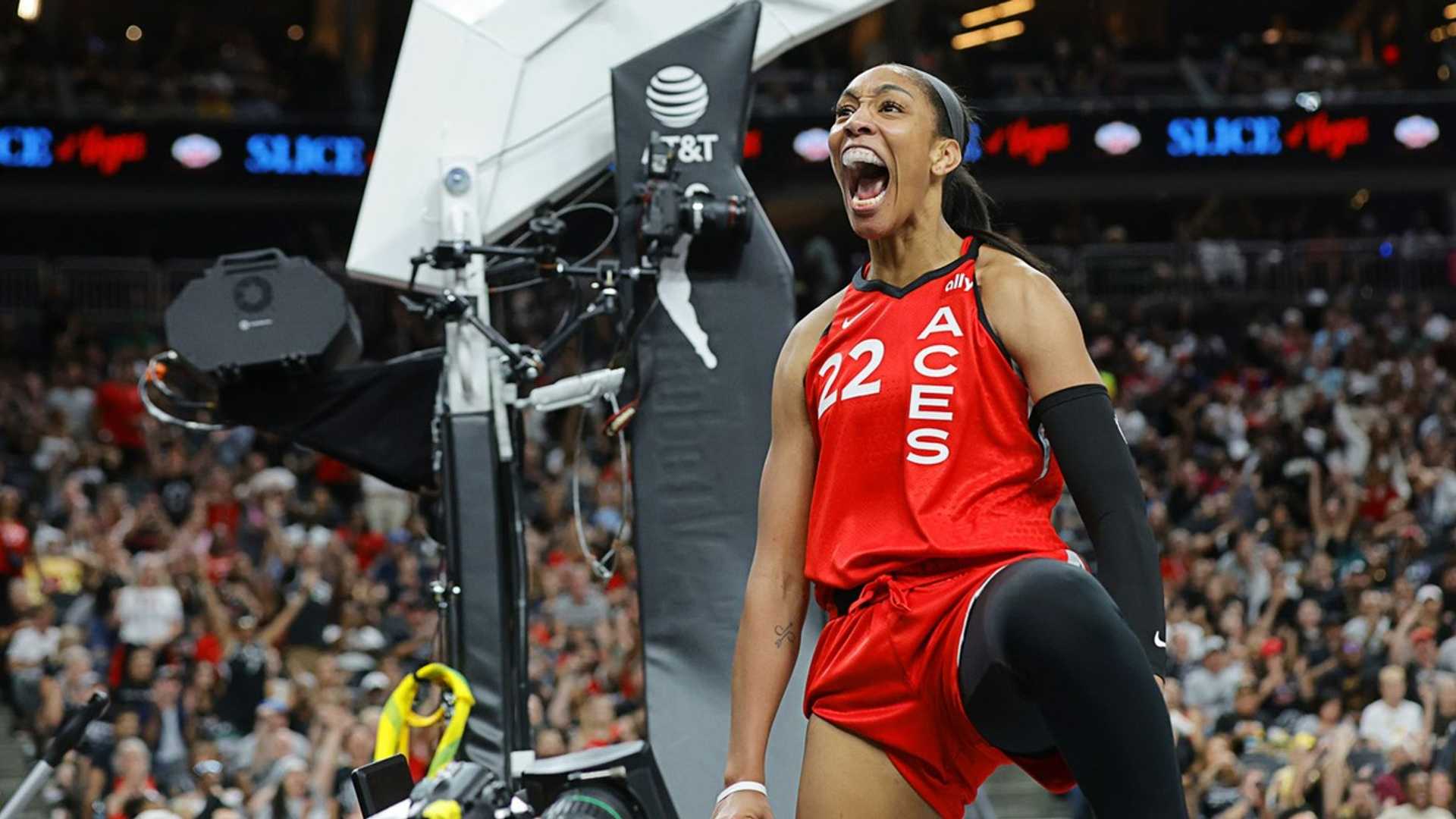
Las Vegas Aces center A'ja Wilson (22) celebrates after making a basket and drawing a foul during the first half of a WNBA basketball game against the Indiana Fever at T-Mobile Arena. The Las Vegas Aces open the season against the host New York Liberty in a marquee showdown between the past two WNBA champions.
The Women’s National Basketball Association (WNBA) was founded in 1996, launching its inaugural season in 1997 with eight teams. The league’s creation was buoyed by the success of the 1996 USA Women’s Basketball Olympic team and was unique in receiving full backing from the NBA, which provided financial support, marketing and operational expertise. Early marketing campaigns focused on stars like Rebecca Lobo, Lisa Leslie and Sheryl Swoopes, helping to establish the league’s identity and draw fan interest.
Early survival and NBA support
The WNBA’s survival in its early years was largely due to the NBA’s substantial financial and operational backing. Unlike previous women’s leagues, the WNBA benefited from the NBA’s marketing muscle, television deals and willingness to absorb financial losses. For much of its history, the league has operated at a loss, with NBA commissioner Adam Silver noting that the WNBA lost an average of over $10 million per year since its founding and losses were projected to reach $50 million in 2024 despite record attendance and viewership. The NBA owns about 60% of the WNBA and has invested hundreds of millions of dollars to keep the league afloat and growing.
Greatest players in WNBA history
A consensus list of the greatest WNBA players includes:
- Diana Taurasi: All-time leading scorer, three championships, MVP, multiple Finals MVPs
- Tamika Catchings: Elite defender, MVP, championship winner
- Cynthia Cooper: Four-time champion, two-time MVP, four-time Finals MVP
- Sheryl Swoopes: Three-time MVP, four championships, defensive stalwart
- Sue Bird: Four championships, all-time assists leader, longevity and leadership

Recent growth and the future
The WNBA is experiencing unprecedented growth:
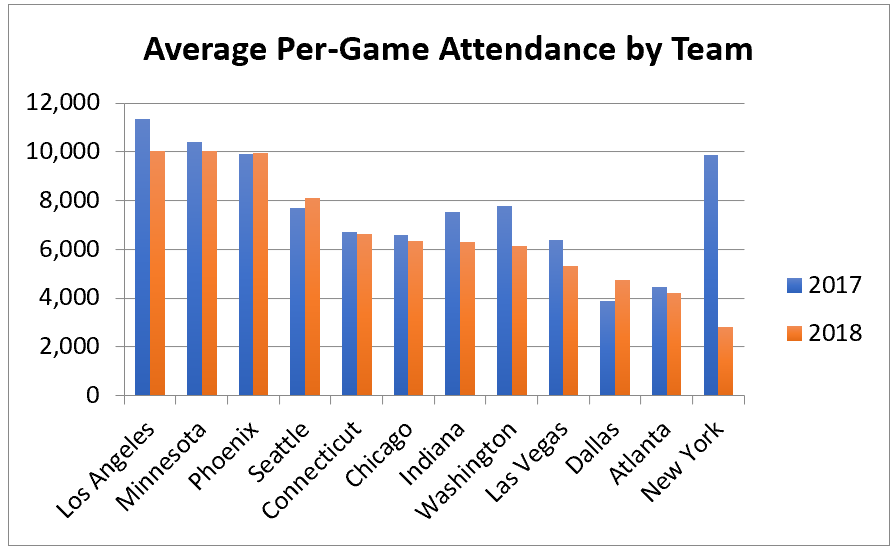
- Record-setting attendance and viewership, with 54 million viewers in 2024 and average attendance near 10,000 per game
- Merchandise sales up 601%, social media engagement quadrupled and app usage up 252%
- Expansion: The Golden State Valkyries join in 2025, with Toronto and Portland franchises arriving in 2026, and a 16th team expected by 2028
- The regular season expands to 44 games in 2025, and the Finals shift to a best-of-seven format
- The league is negotiating a new CBA, with players pushing for transformative changes in salaries and working conditions
- The influx of star rookies like Caitlin Clark and Angel Reese has further accelerated fan interest and media coverage, making the league more attractive to sponsors and investors
The next five years
The WNBA’s trajectory points to continued expansion, higher revenues and improved player compensation and conditions. With new media deals, rising attendance and a growing fan base, the league is positioned to become more financially sustainable and culturally significant. Cities are competing for expansion teams, and franchise values are rising, with the New York Liberty projected as the first $1 billion women’s sports franchise. The WNBA has evolved from a league fighting for survival to one on the cusp of mainstream prominence, driven by NBA support, player advocacy and a surge in public interest. The next five years could see the WNBA become a global leader in women’s professional sports.


