Is Telegram safe to use? Here's what you need to know. | IPVanish
In the age of instant messaging, the Telegram app has become the go-to for millions, celebrated for its speed, variety of features, and cross-platform usability. But is Telegram safe? Beneath the app’s polished UI lies a complex narrative—ranging from clashes with governments to concerns about misinformation and security. While Telegram markets itself as a secure platform, its protective measures might not be as foolproof as they seem, leaving your data vulnerable in surprising ways.
Keep reading to uncover the hidden risks, controversies, and safety measures you need to know before trusting Telegram with your personal information.
Connect to Telegram with confidence using a VPN
In the age of instant messaging, the Telegram app has become the go-to for millions, celebrated for its speed, variety of features, and cross-platform usability. But is Telegram safe? Beneath the app’s polished UI lies a complex narrative—ranging from clashes with governments to concerns about misinformation and security. While Telegram markets itself as a secure platform, its protective measures might not be as foolproof as they seem, leaving your data vulnerable in surprising ways.
One of its most notable features is a streamlined interface that mimics other instant messaging services. This means the learning curve for new users is generally small, with the bonus of theme and aesthetic customization. It is powerful and secure, offering encrypted chats and allowing groups of up to 200,000 people at once.
The Telegram app prides itself on messaging security, claiming to have more integrity than Meta, but is Telegram safe to use for confidential convos? Keep reading to dive into the controversial roots of the service, or skip straight ahead to answer the question: Is Telegram safe?
Telegram was created by Pavel Durov, often called the “Mark Zuckerburg of Russia,” due to his success with VKontakte, a popular social networking site he founded in 2006. Durov’s relationship with the Kremlin soured when he refused demands to release user data, prompting him to sell his VKontakte shares and flee Russia in 2014, citing fears of government surveillance.
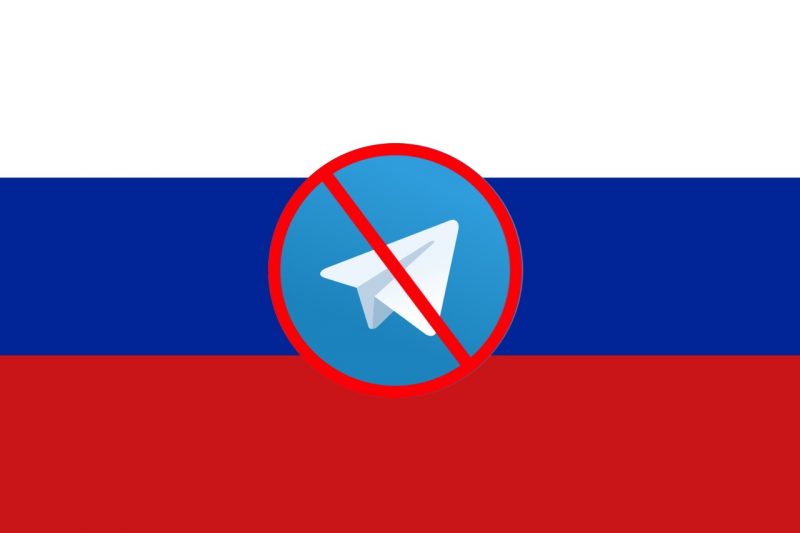
Launched in 2013, Telegram quickly gained attention for its focus on privacy. From the start, the Russian government pressured Durov to provide user data for political purposes. Despite moving Telegram’s operations to Dubai and establishing its headquarters in London, Durov’s refusal to cooperate led to a ban in Russia in 2018.
The ban proved largely ineffective, with Telegram remaining a critical tool for Russian opposition figures and news dissemination, even bypassing firewalls set by Roskomnadzor (Russia’s media regulator, the Federal Service for Supervision of Communications, Information Technology and Mass Media). Interestingly, the ban was lifted in 2020 after Telegram agreed to assist with terrorism-related investigations—a move that some saw as a compromise of its staunch privacy principles. Then in 2022, Telegram took a bold step by banning Russian state media, aiming to curb propaganda as global tensions rose.
Telegram update brings features like home screen widgets, auto ...
This back-and-forth history highlights the complex and often contradictory relationship between Telegram and Russian authorities, where both sides appeared to test each other’s boundaries while navigating broader political tensions.
Pavel Durov himself has expressed concerns over unverified information and “ethnic hatred”