
Artists Are Ditching Instagram for Cara — but It's Not Perfect ...
Some artists are expressing concerns over Meta using their photos on Instagram and Facebook to train artificial intelligence models. They fear that Instagram's text-to-image generator Emu may start producing images imitating their unique style, ultimately putting their artistic careers at risk.
A San Francisco-based fine artist, Christina Kent, voiced her worries, stating that it is already challenging to make a living as an artist, and these practices feel exploitative.
Moving to Cara: A Safe Haven for Artists
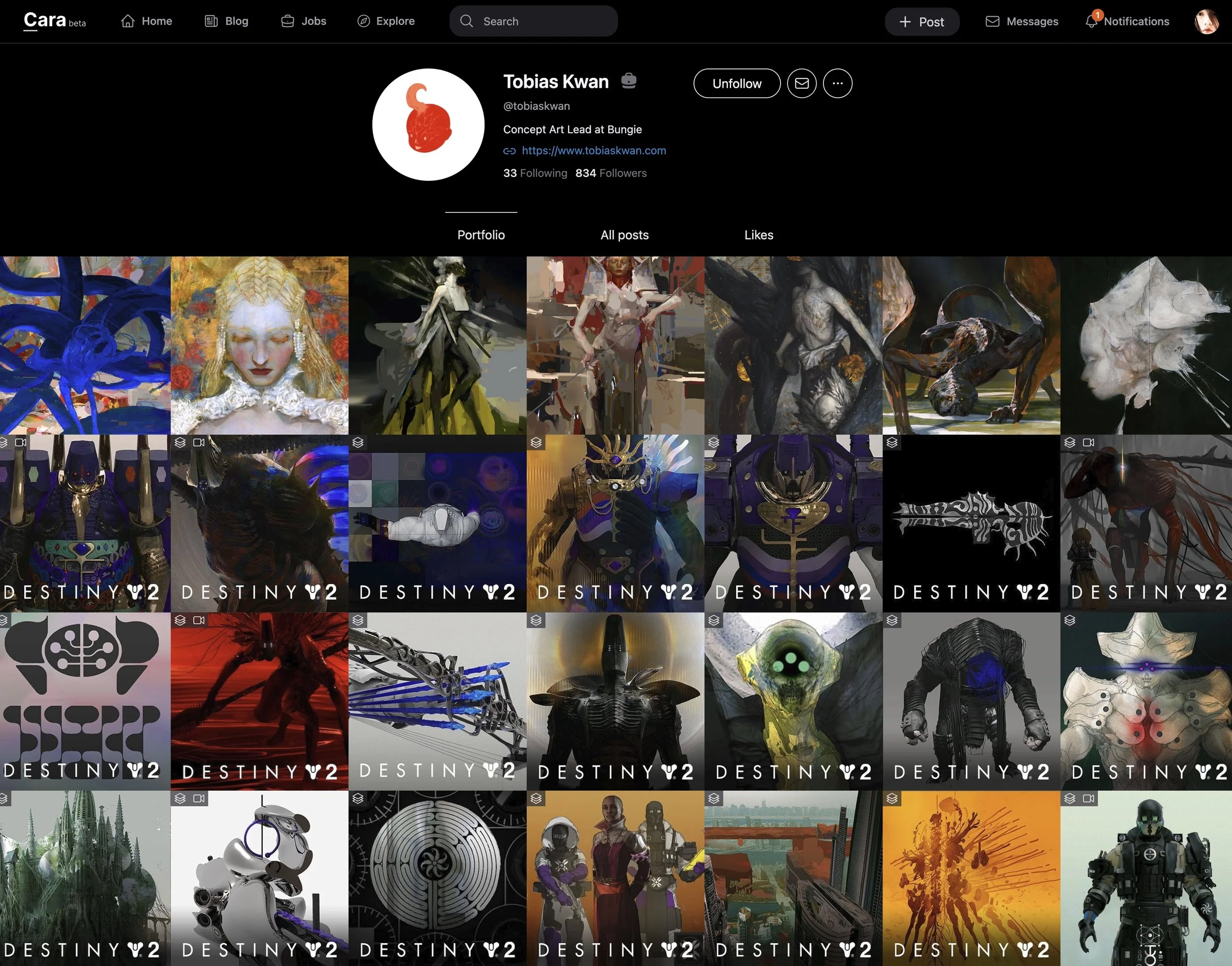
In response to these concerns, some artists are making a shift to Cara, a social media platform specifically designed for artists. Unlike Instagram, Cara does not utilize its users' content to train AI models. Additionally, the platform includes an automatic feature that prevents others from scraping artworks showcased on the platform.
Founded in 2023 by Jingna Zhang, a Singaporean photographer who previously dealt with plagiarism of her work, Cara has gained significant traction. Following Meta's controversial AI policies, more than 600,000 users flocked to Cara, propelling the platform to the top of App Store rankings.
Challenges and Concerns
While many artists are making the migration to Cara due to their dissatisfaction with Meta's AI policies, some challenges persist. Professional artists have cited issues with Instagram beyond AI, including a sense of obligation to purchase ads for visibility.
Despite these challenges, some artists like Kent are hesitant to completely abandon Instagram, recognizing its importance in their artistic journey. For Kent, Instagram has served as a crucial platform for connecting with art collectors globally and transitioning to a full-time painting career.
The Dilemma of Opting Out
Opting out of Meta's data usage presents its own set of complexities. Users are required to navigate through multiple steps and provide evidence to exclude their accounts from being scraped for AI training.
However, the process is not foolproof, with no guarantee that accounts will be safeguarded from data scraping. Some artists have called for government intervention to provide users with the right to opt out of such practices.
Diversifying Platforms for Sustainability
Recognizing the volatility of relying on a single platform, artists like Kent have ventured into alternative avenues like Cara and even established a YouTube channel for long-form content sharing. This diversification aims to mitigate the risks associated with depending solely on one platform.
Despite the allure of Cara and the appeal of its artist-friendly policies, the platform is not without its challenges. The recent influx of users led to technical glitches and app crashes, impacting artists' ability to engage effectively.
Both Meta and Cara have refrained from commenting on these developments, leaving artists to navigate the evolving landscape of social media platforms independently.


