
Experts Warn Against Sharing Sensitive Data With ChatGPT - The Risks You Need to Know
In recent debates surrounding artificial intelligence, particularly in relation to tools like ChatGPT from OpenAI, concerns about user privacy have intensified. Experts have expressed apprehensions about ChatGPT being a potential "black hole for confidentiality," cautioning against sharing personal information with the chatbot. With millions turning to AI for daily assistance, Forbes has outlined five crucial types of data that should not be divulged to public chatbots.
The Dangers of Sharing Sensitive Information
ChatGPT processes billions of requests daily, making it a widely used tool. However, the ramifications of utilizing such a robust AI tool are significant. According to Forbes, OpenAI does not assure full protection of user data, and there are key issues that users should be mindful of. Data provided to ChatGPT can be used for training models, reviewed by humans, and even accessed by other users, making shared information essentially public knowledge.
Types of Information to Avoid Sharing
One concerning area is discussing illegal or unethical queries with ChatGPT. While AI chatbots like ChatGPT are equipped with filters to prevent misuse for illegal activities, users should understand that inquiring about criminal actions could lead to legal repercussions. It is vital to note that these systems are monitored, and attempts to misuse AI can be reported to authorities.
Moreover, sharing login credentials with AI chatbots poses significant risks. Experts advise against providing such sensitive information as it can be perilous once it enters a public chatbot, potentially leading to breaches of privacy.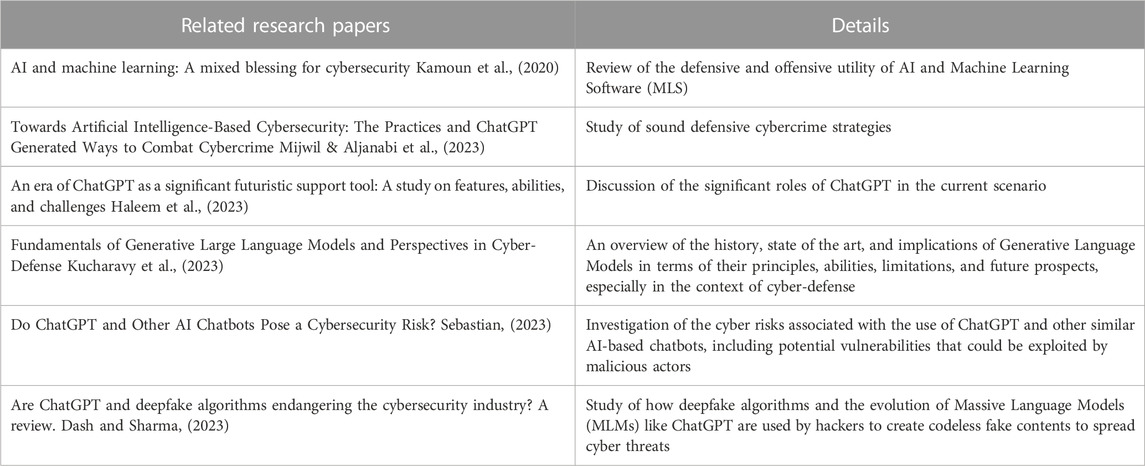
Entering financial details such as credit card numbers or bank account information also exposes users to fraud and phishing attacks. Unlike banking or e-commerce platforms, chatbots lack robust security measures, leaving users vulnerable to financial exploitation.
Confidential information, including business documents and sensitive materials, should never be shared with ChatGPT to avoid violating confidentiality agreements or compromising trade secrets.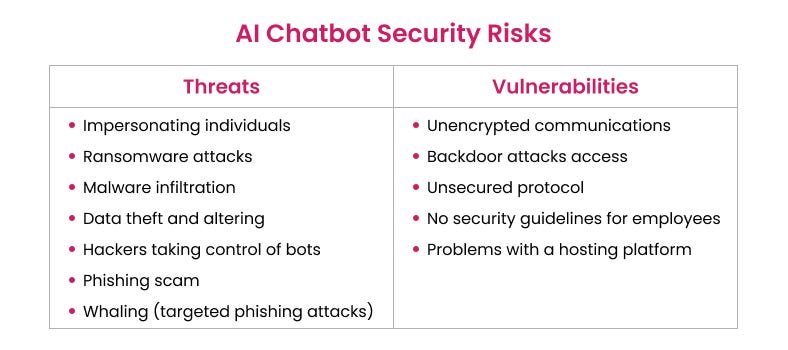
Health-related queries present another area of concern. While users may be inclined to seek medical advice from ChatGPT, experts caution against sharing personal health information due to potential confidentiality breaches.
Privacy Concerns and Cybersecurity Risks
These privacy concerns are magnified by ChatGPT's extensive user base, estimated to be in the tens of millions, posing the risk of data breaches. Reports of cybercriminals injecting "poisoned data" into AI training datasets raise further alarm about misinformation and manipulation of AI systems.
As users engage with AI platforms, it is crucial to remain vigilant about the information shared. Understanding the risks associated with sharing sensitive data with chatbots is essential for ensuring privacy and security in an increasingly digital landscape.


