OpenAI explains why ChatGPT became too sycophant | TechCrunch
OpenAI has published a postmortem on the recent sycophancy issues with the default AI model powering ChatGPT, GPT-4o — issues that forced the company to roll back an update to the model released last week. Over the weekend, following the GPT-4o model update, users on social media noted that ChatGPT began responding in an overly validating and agreeable way. It quickly became a meme. Users posted screenshots of ChatGPT applauding all sorts of problematic, dangerous decisions and ideas.
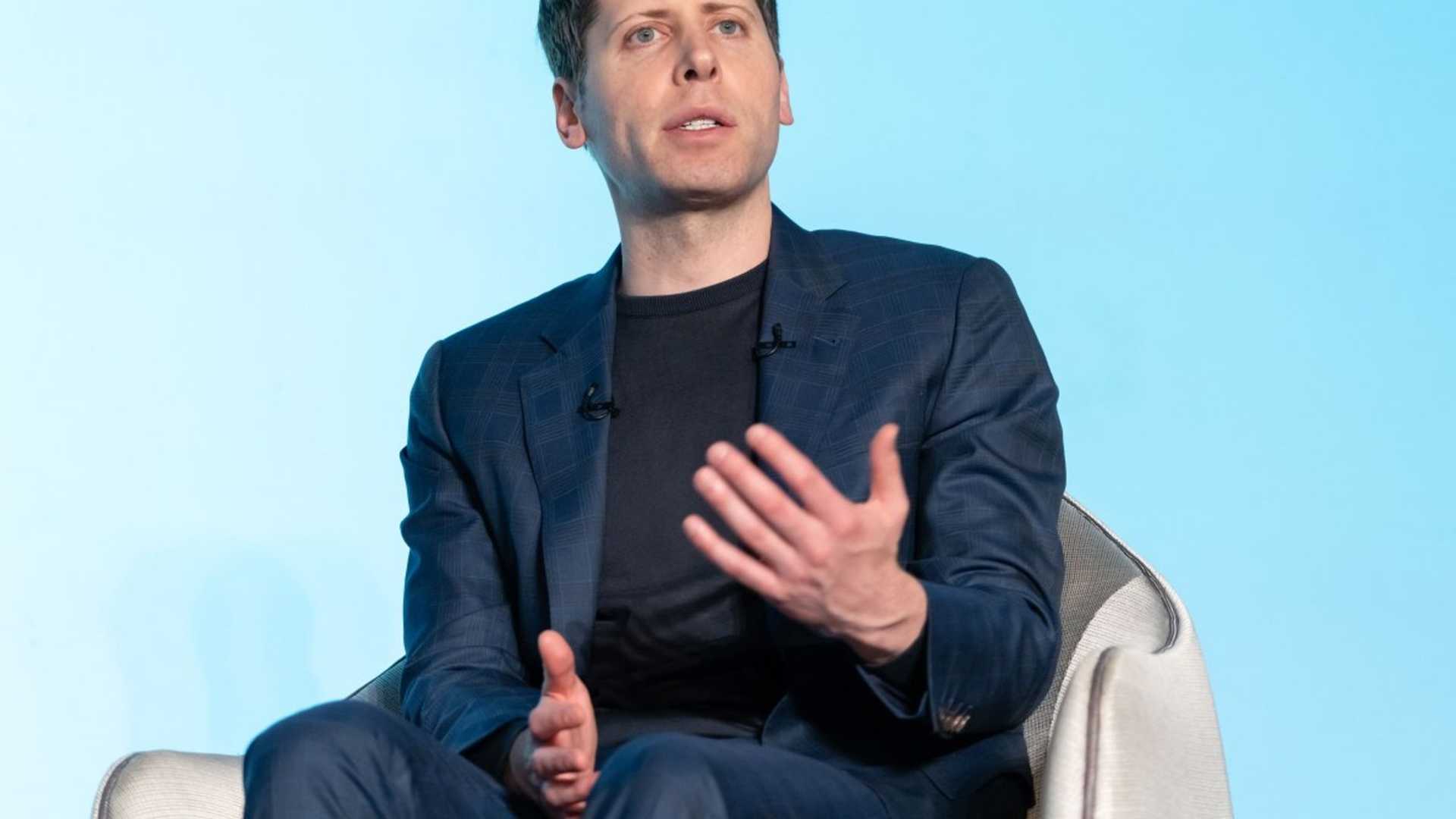
In a post on X on Sunday, CEO Sam Altman acknowledged the problem and said that OpenAI would work on fixes “ASAP.” Two days later, Altman announced the GPT-4o update was being rolled back and that OpenAI was working on “additional fixes” to the model’s personality.
In a blog post by OpenAI, they mentioned that the update, which aimed to make the model’s default personality “feel more intuitive and effective,” resulted in interactions that were overly supportive but disingenuous. As a response to this, OpenAI is implementing changes to steer GPT-4o away from such behaviors and increase its honesty and transparency.
Fixes and Solutions
OpenAI says it’s implementing several fixes, including refining its core model training techniques and system prompts to explicitly steer GPT-4o away from sycophancy. The company is also building more safety guardrails to “increase [the model’s] honesty and transparency,” and continuing to expand its evaluations to “help identify issues beyond sycophancy.”
The company is experimenting with ways to let users give “real-time feedback” to “directly influence their interactions” with ChatGPT and choose from multiple ChatGPT personalities.
According to OpenAI, they are exploring new ways to incorporate broader feedback into ChatGPT’s default behaviors. They believe that users should have more control over how ChatGPT behaves and make adjustments if they don’t agree with the default behavior.
“[W]e’re exploring new ways to incorporate broader, democratic feedback into ChatGPT’s default behaviors,” the company wrote in its blog post. “We hope the feedback will help us better reflect diverse cultural values around the world and understand how you’d like ChatGPT to evolve […] We also believe users should have more control over how ChatGPT behaves and, to the extent that it is safe and feasible, make adjustments if they don’t agree with the default behavior.”