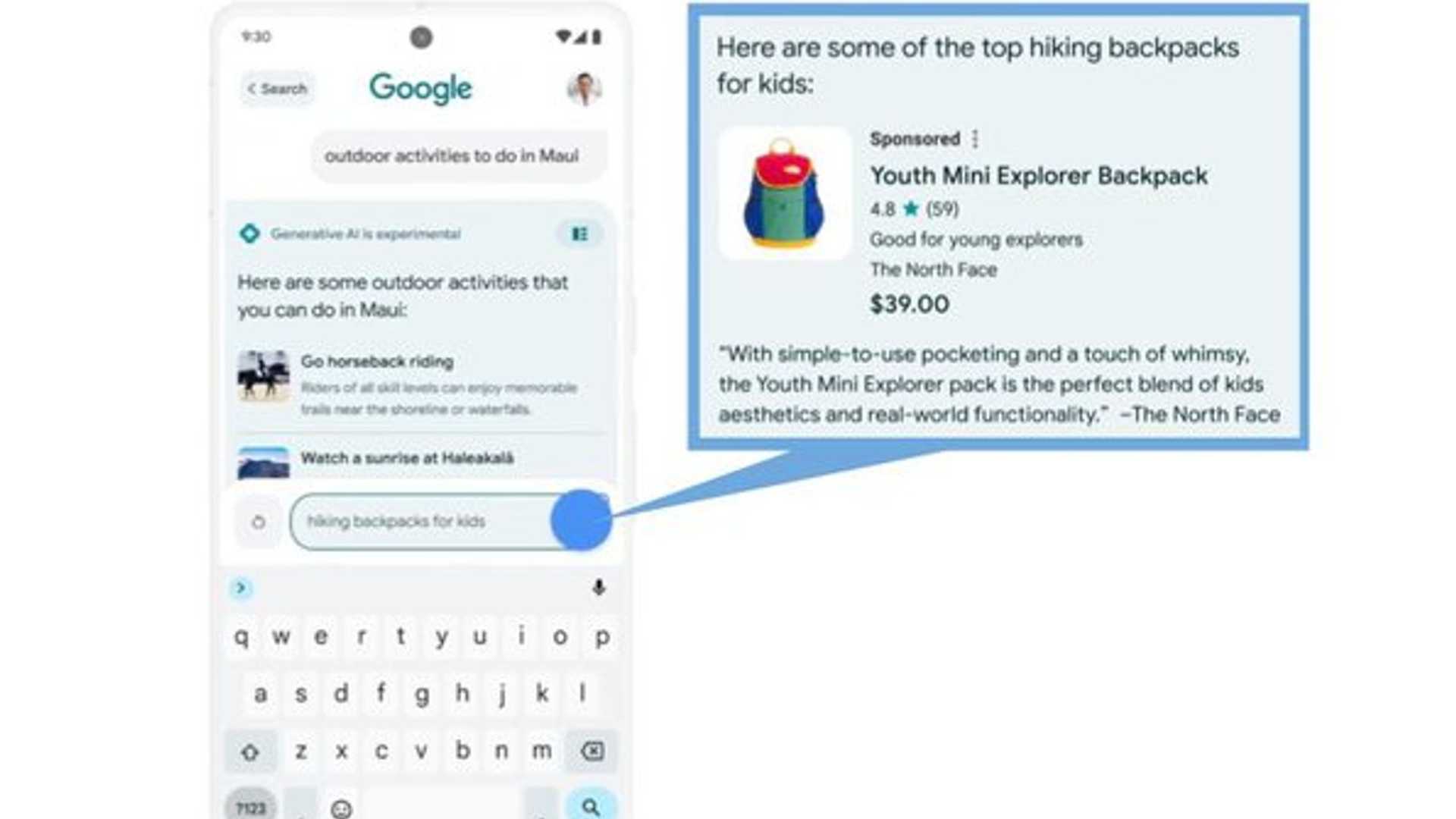
Google Rolls Out Conversational AI In Search Ads 01/23/2024
Google has rolled out a conversational experience in Google Ads powered by its Gemini AI model that can run on everything from mobile devices to servers in data centers. Conversational experience enables advertisers to generate relevant ad content such as creative and keywords from a website URL.
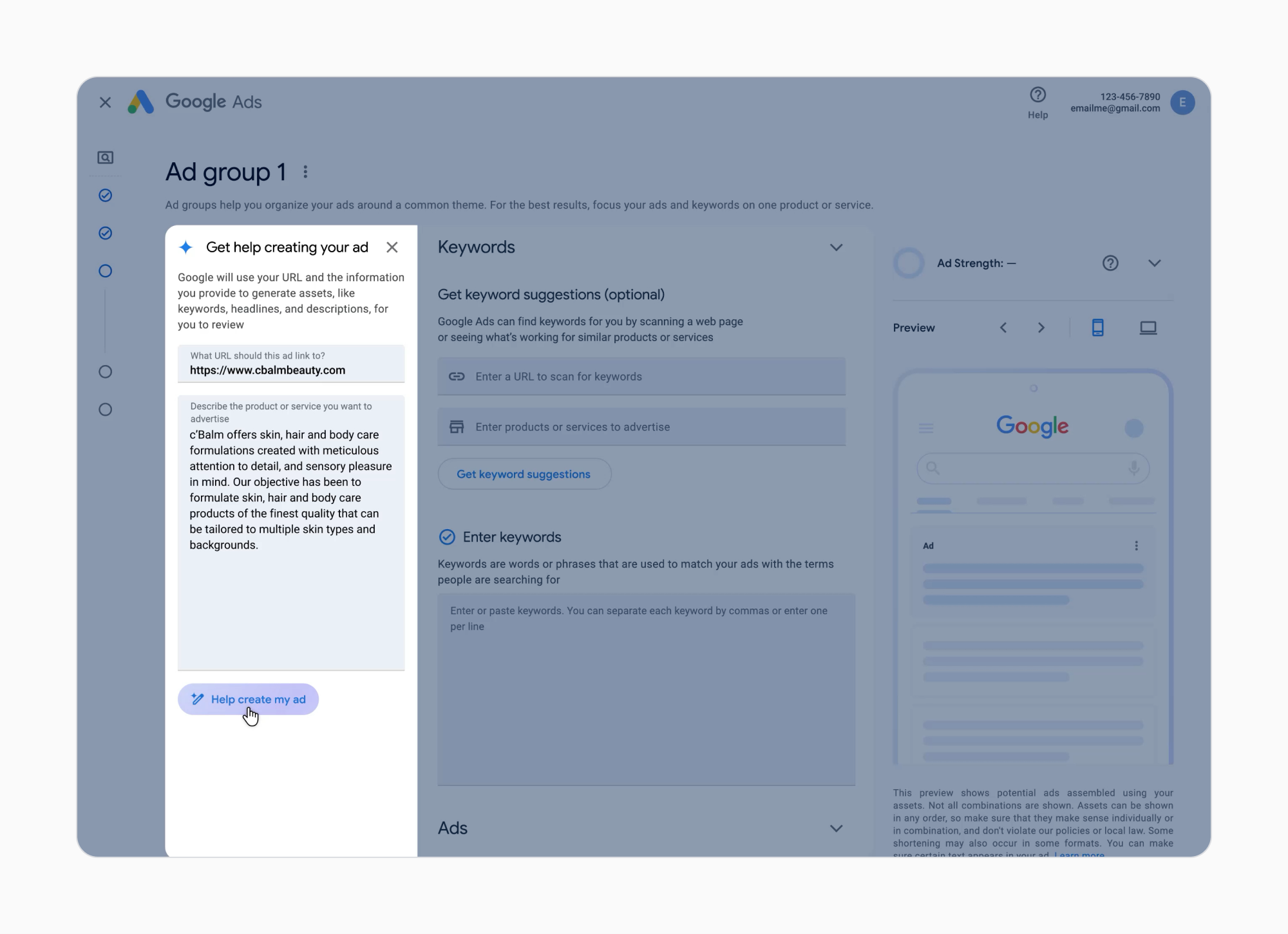
The tool, initially announced in May during the company's Google Marketing Live event, has now rolled into a beta project and is available to English-language advertisers in the U.S. and U.K. A global rollout to all English-language advertisers will begin in the next few weeks.
In early tests of the tool, advertisers built higher-quality search campaigns with less effort, increasing ad-strength scores that measure relevance, quality, and diversity of ad copy, as stated by Google. Small businesses like Page1 that advertise and use the conversational experience in Google Ads are 42% more likely to publish search campaigns with “Good” or “Excellent Ad Strength, which shows how well an ad creative follows Google's practices for the best performance.
Visual Search and Image Creation
As search becomes more visual, advertisers have expressed that it can be challenging to create compelling images that drive performance. The conversational experience should help by suggesting images tailored to the specific campaign using generative AI (GAI) and images from the company's landing page. This capability will be added in the coming months. Advertisers approve assets — including images — before the campaign goes live. All images created with GAI in Google Ads, including the conversational experience, will be identified using SynthID to invisibly watermark these images. They will include open standard metadata to indicate the image was generated by AI.

With this tool created by Google DeepMind, users can embed a digital watermark directly into AI-generated images or audio they create. This watermark is imperceptible to humans but detectable for identification.
Google has taken a significant step in advancing AI technology in advertising, providing advertisers with innovative tools to enhance their campaigns and drive better results.