
How AI Tools Fight Phishing and Ransomware
Home » Industry Insights » Security & Surveillance » How AI Tools are Fighting Phishing and Ransomware in 2025
Cybersecurity has evolved significantly over the years in response to the growing threats of phishing and ransomware attacks. In 2025, cybercriminals employ sophisticated tactics to exploit vulnerabilities, highlighting the need for AI-based defense mechanisms by organizations and individuals. AI tools play a crucial role in identifying, mitigating, and preventing such threats, thereby enhancing overall cybersecurity resilience.
Phishing
Phishing involves cyber attacks where deceptive tactics are used to trick individuals into providing valuable information, such as login credentials and financial data, to hackers through fraudulent emails, messages, or websites. Various types of phishing attacks include:
AI-based email security solutions utilize advanced filtering techniques to detect suspicious emails, analyze sender metadata, content, and behavior to prevent potential phishing emails from reaching inboxes. By identifying anomalies in email headers, attachments, and embedded links, AI plays a crucial role in enhancing protection against phishing scams and attacks. Machine learning models continuously learn from user interactions, such as log-in trends, keystroke dynamics, or access history, to detect unusual behavior indicative of phishing attempts.
Ransomware
Ransomware is a form of malware that encrypts a victim's files with a password, demanding a ransom for data recovery. Common types of ransomware attacks are:
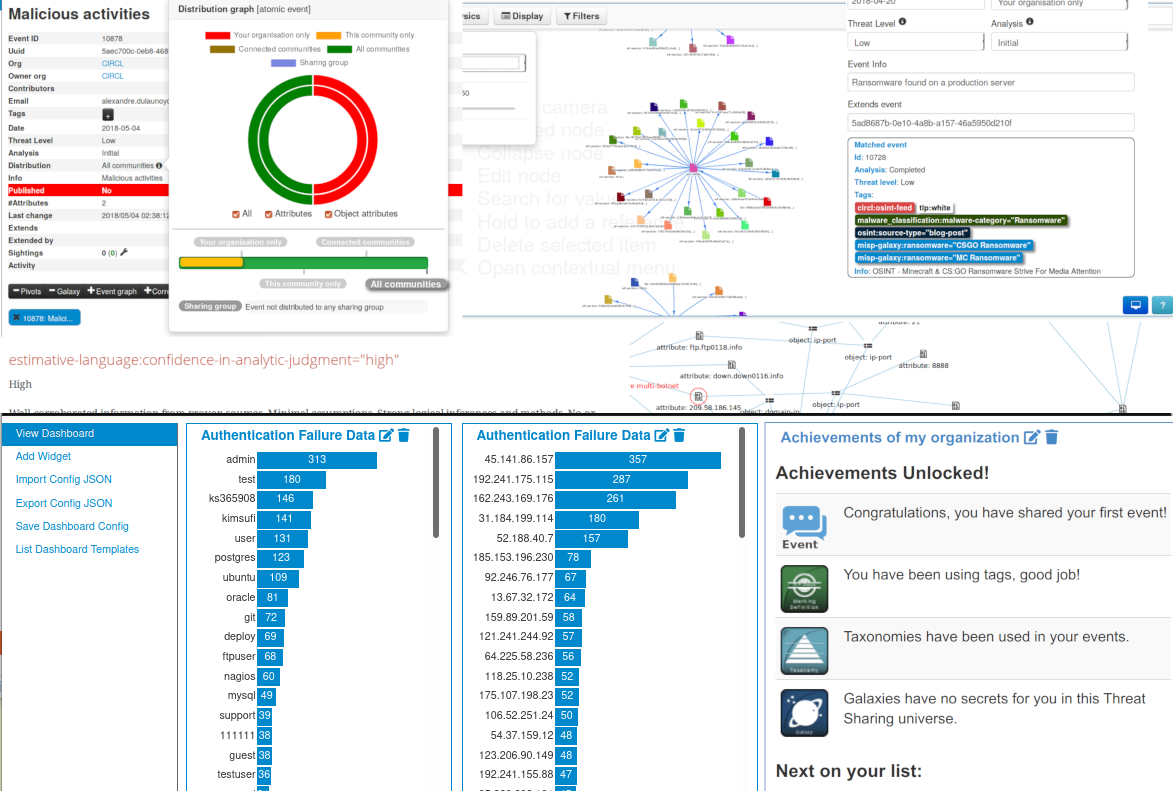
AI has enabled the development of realistic simulations for phishing attacks, allowing users to familiarize themselves with cyber threats. These training modules analyze user responses to personalize the learning process and improve security awareness, reducing the likelihood of falling for phishing scams. Through Natural Language Processing, AI can analyze emails and messages, identifying suspicious phrases, urgency cues, or social engineering tactics to flag phishing emails effectively before reaching the target.
Ransomware Prevention with AI
AI-powered cybersecurity solutions offer significant advantages over traditional security measures by detecting and preventing ransomware attacks before causing extensive damage. Predictive analytics and behavioral monitoring enable early detection of ransomware attempts, recognizing historical attack patterns, system behaviors, and external threat intelligence to identify early warning signs of ransomware infections. Behavioral analysis by AI enhances ransomware detection through real-time logging of user activities and network behavior, allowing for the timely isolation and mitigation of ransomware attacks.
Despite challenges, AI tools continue to evolve, offering better applications and automated cybersecurity solutions. Future advancements include Adaptive AI Models, Autonomous solutions for real-time threat detection and neutralization, AI-Blockchain integration for secure transactions, Federated Learning for enhanced privacy, and Enhanced Threat Intelligence Sharing platforms for real-time threat data collaboration.

In 2025, AI tools serve as a robust defense against phishing and ransomware threats, leveraging email filtering, behavior analysis, NLP, and predictive analytics to bolster cybersecurity. Continuous advancements in AI will strengthen security paradigms, ensuring the safety of businesses and individuals from emerging cyber threats.


