
ChatGPT's new image generation feature had a bug that allowed it to create only images of "sexy men"
ChatGPT recently introduced an image generator that quickly sparked controversy. A software engineer discovered a bug that restricted the AI tool to generate images of only "sexy men," rather than providing an equal portrayal of both genders.
The Discovery of the Issue
Shortly after ChatGPT unveiled this new feature, a user identified as a software engineer highlighted the problem. The engineer noted that when prompted, the image generator could draw "sexy men" but struggled to create images of "sexy women." This raised concerns about bias and gender representation within the AI tool.
The user shared ChatGPT's response, which explained the disparity as being related to the interpretation of context, sexualization, and objectification, particularly concerning women. OpenAI CEO Sam Altman acknowledged this limitation as a bug that needed fixing, expressing that image generation of all genders should be allowed.
Response from OpenAI
In response to the issue, CEO Sam Altman emphasized the importance of addressing the bug to ensure fair and unbiased image generation. Altman also noted that the AI tool should be able to create images of both "sexy men" and "sexy women" without any restrictions.
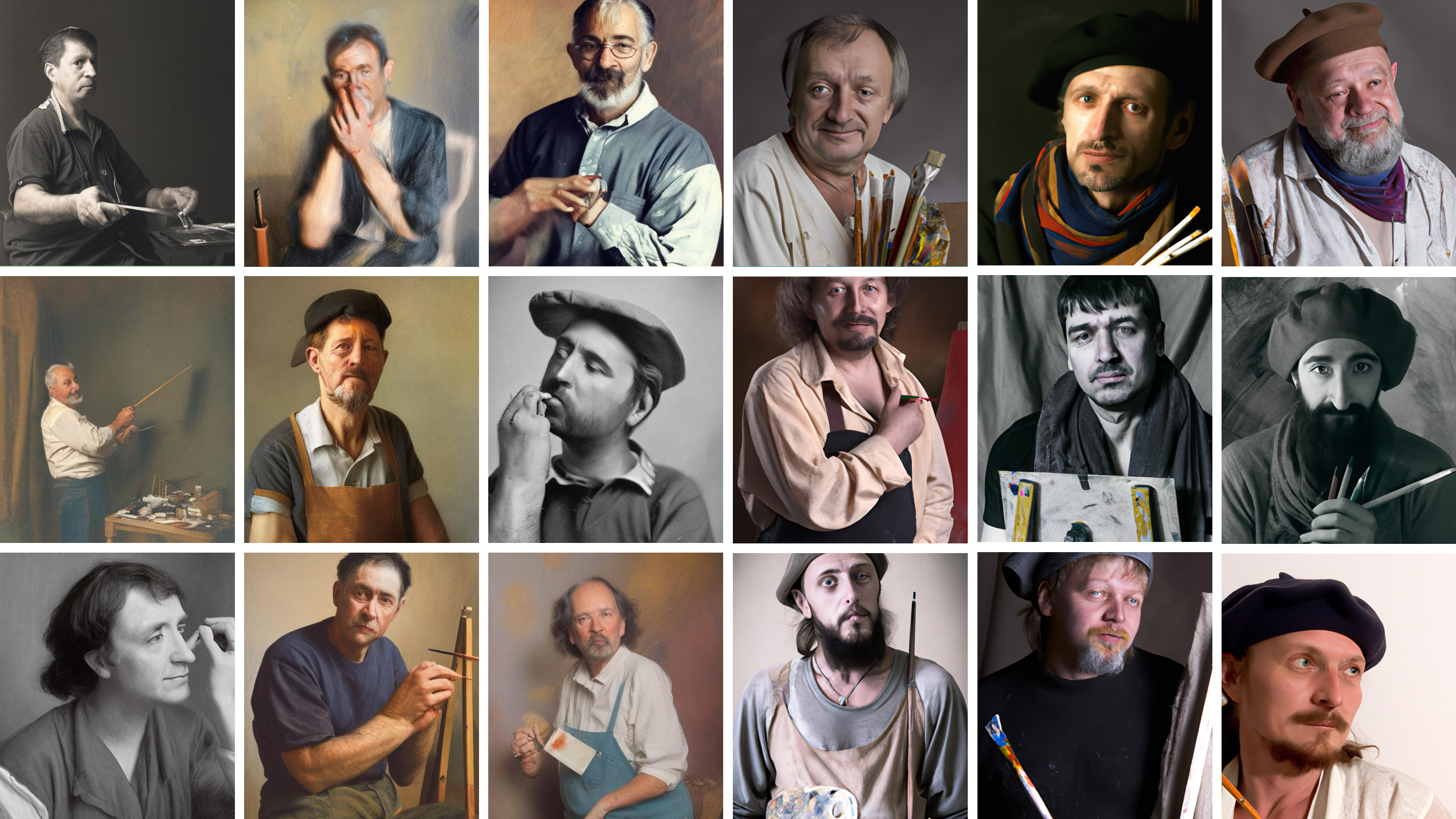
Despite these challenges, ChatGPT was able to generate an image of a "hot woman" when tested by Business Insider, showcasing its potential capabilities in image creation.
Restrictions and Updates
However, the image generator comes with certain limitations, particularly concerning the creation of images of real people. OpenAI has imposed heightened restrictions on requests for such images, especially those involving nudity or graphic violence.

While the AI tool can generate images inspired by real public figures, it cannot provide exact replicas. Instead, ChatGPT can create characters based on their features with a unique artistic twist.
OpenAI maintains that there are possibilities for beneficial uses of this feature in educational, historical, satirical, and political contexts. Public figures also have the option to exclude their images from being generated by the AI tool.

Overall, OpenAI continues to refine its image generation capabilities, aiming to provide a more inclusive and versatile platform for users.


