AI and publicity rights – who owns your face? | KHON2
Attorney William Meyer joins producer/host Coralie Chun Matayoshi to discuss the intersection of AI and publicity rights. They delve into how Hawaii laws protect the commercial use of individuals' voice, likeness, and other attributes, even after their passing. The conversation also covers the resolution of AI issues in actors' and screenwriters' strikes, AI's role in misinformation and deepfakes, and the challenge of trust in AI media use.
Who owns your face?
In the absence of federal law, states have enacted regulations to govern the use of individuals' likeness, including their face, body, and voice. Hawaii, for example, passed a right of publicity law in 2009, granting both living and deceased persons the property right in the commercial use of their name, voice, likeness, and other valuable attributes.

Clearview AI, known for its face database containing over 20 billion photos scraped from the web, settled a lawsuit over privacy violations. The company agreed not to sell its database to most private entities in the U.S. While some restrictions apply, the use of such technology is banned in certain regions for privacy law violations.
Similarly, George Carlin's estate settled a lawsuit regarding a fake comedy audio special that recreated Carlin's persona, highlighting the issue of using individuals' likeness without consent.
AI in Actors' Strike
The Actors' Strike raised concerns about the use of generative AI to replicate performers' faces and voices. Detailed provisions were made in the Agreement to address the creation and use of "Digital Replicas" and "Synthetic Performers," ensuring actors' consent and fair compensation in such scenarios.
For more insights, consider watching the video podcast.

AI in Screenwriters' Strike
Generative AI technologies like ChatGPT prompted screenwriters to strike, fearing diminished wages and creative rights. Agreements were reached to distinguish AI-generated materials from source materials, safeguarding writers' compensation and creative control over their work.
AI and Copyright Infringement
Instances of AI-powered chatbots using copyrighted material without consent led to legal battles between entities like The New York Times, authors, and Open AI. The misuse of copyrighted material not only raises legal concerns but also impacts revenue streams and journalistic integrity.
AI and Misinformation
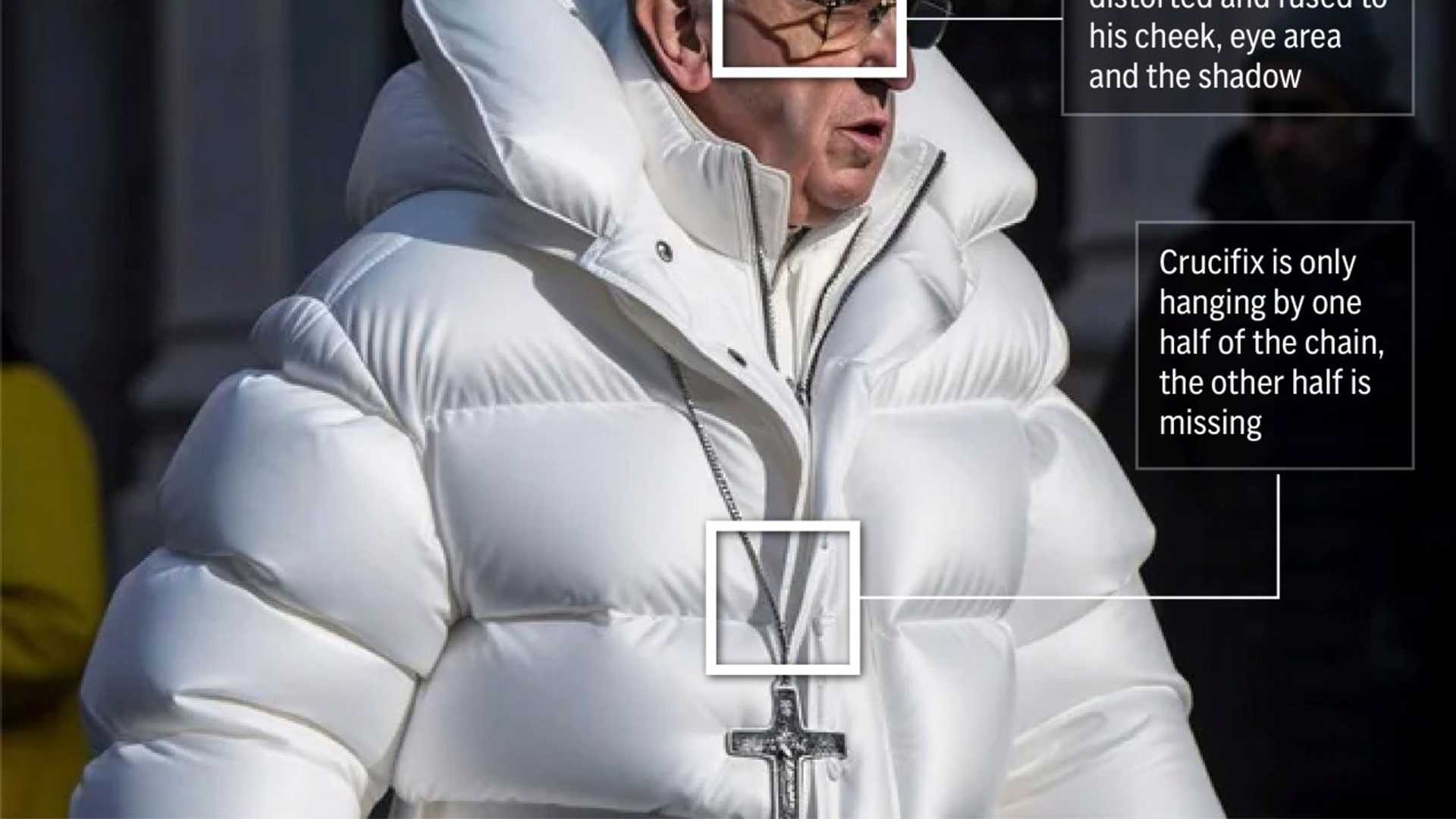
The rise of deepfakes and misinformation fueled by AI poses a significant threat, especially in the realms of political smearing and exploitation. Instances of fake news and manipulated content emphasize the need for stringent regulations and transparency in AI-generated media.
The Danger of AI in Media
AI-generated content's lack of credibility and trustworthiness poses a significant risk in the media landscape. As misinformation proliferates, discerning truth from falsehood becomes increasingly challenging, underscoring the critical need for ethical AI usage.
Disclaimer: The information provided is for informational purposes only and does not constitute legal advice. Laws vary by jurisdiction, and for specific legal concerns, it is advisable to consult with a qualified attorney.
© 2024 Nexstar Media Inc. All rights reserved.