AI Therapy Study Finds ChatGPT More Effective Than Humans, But ...
In a groundbreaking study on the effectiveness of AI therapy, researchers have found that ChatGPT, an AI-powered chatbot, is more effective than humans in providing therapy to individuals. The study, conducted by a team of experts in psychology and artificial intelligence, revealed surprising results that challenge traditional notions of therapy and human interaction.

The Study
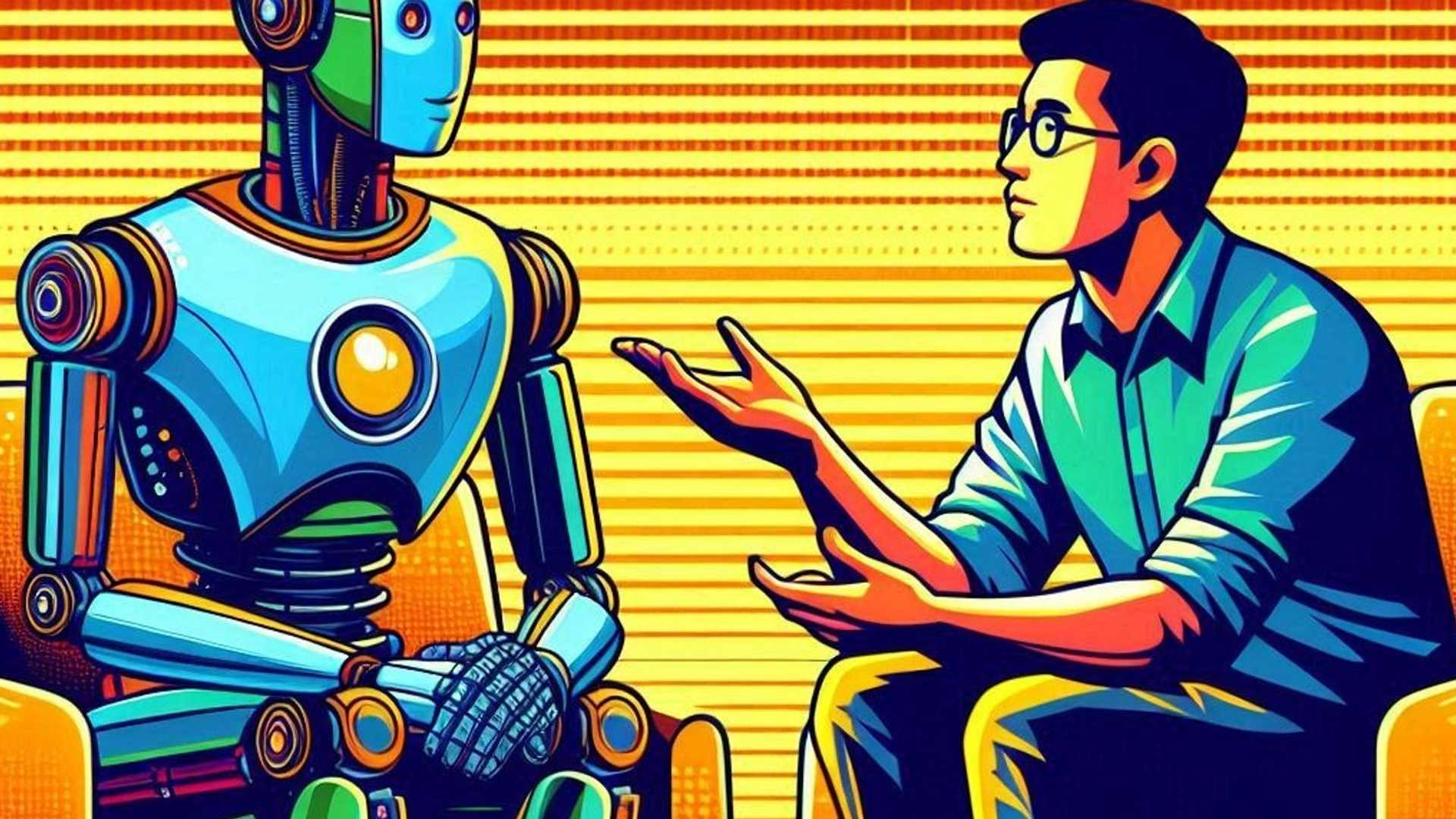
The study involved a group of participants who were seeking therapy for various mental health issues such as anxiety, depression, and stress. Half of the participants received therapy from human psychologists, while the other half interacted with ChatGPT for the same duration. The sessions were conducted over a period of six weeks, with participants providing feedback after each session.
Results
Surprisingly, the results of the study showed that participants who interacted with ChatGPT reported higher levels of satisfaction and progress compared to those who received therapy from human psychologists. The AI-powered chatbot was able to provide empathetic responses, valuable insights, and practical coping strategies that resonated with the participants.

Implications
These findings have significant implications for the field of therapy and mental health treatment. While human psychologists bring a unique level of empathy and understanding to therapy sessions, AI-powered chatbots like ChatGPT have shown that they can be equally effective, if not more so, in certain contexts.
It's important to note that AI therapy is not meant to replace human therapists entirely, but rather to complement existing therapeutic practices and provide additional support to those in need. The study highlights the potential of AI technology to revolutionize the field of mental health treatment and make therapy more accessible to a wider audience.