Artificial Intelligence and the 2024 Nobel Prizes
The 2024 Nobel Prizes in physics and chemistry showcased the significant role that Artificial Intelligence (AI) played in the groundbreaking discoveries that were honored. The influence of AI in these esteemed awards prompts speculation on how Alfred Nobel, the creator of the Nobel Prizes, would perceive these developments.
AI in Nobel Prize Categories
AI is poised to become a pivotal tool in the realm of Nobel Prize-worthy research. The traditional categories of physics, chemistry, and medicine may witness a transformation as AI-driven methodologies gain recognition from the Nobel committee. This evolution could lead to a more fluid alignment between the scientific disciplines and the backgrounds of the laureates.
Physics and Chemistry Laureates
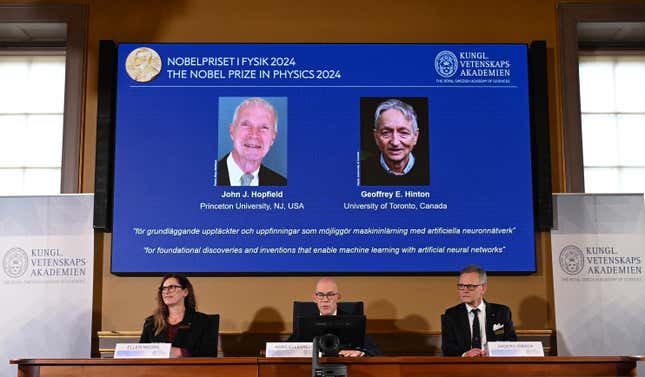
In the 2024 awards, the physics prize was shared by John Hopfield from Princeton University and Geoffrey Hinton from the University of Toronto. While Hopfield hails from a physics background, Hinton's journey traversed through experimental psychology before delving into AI.
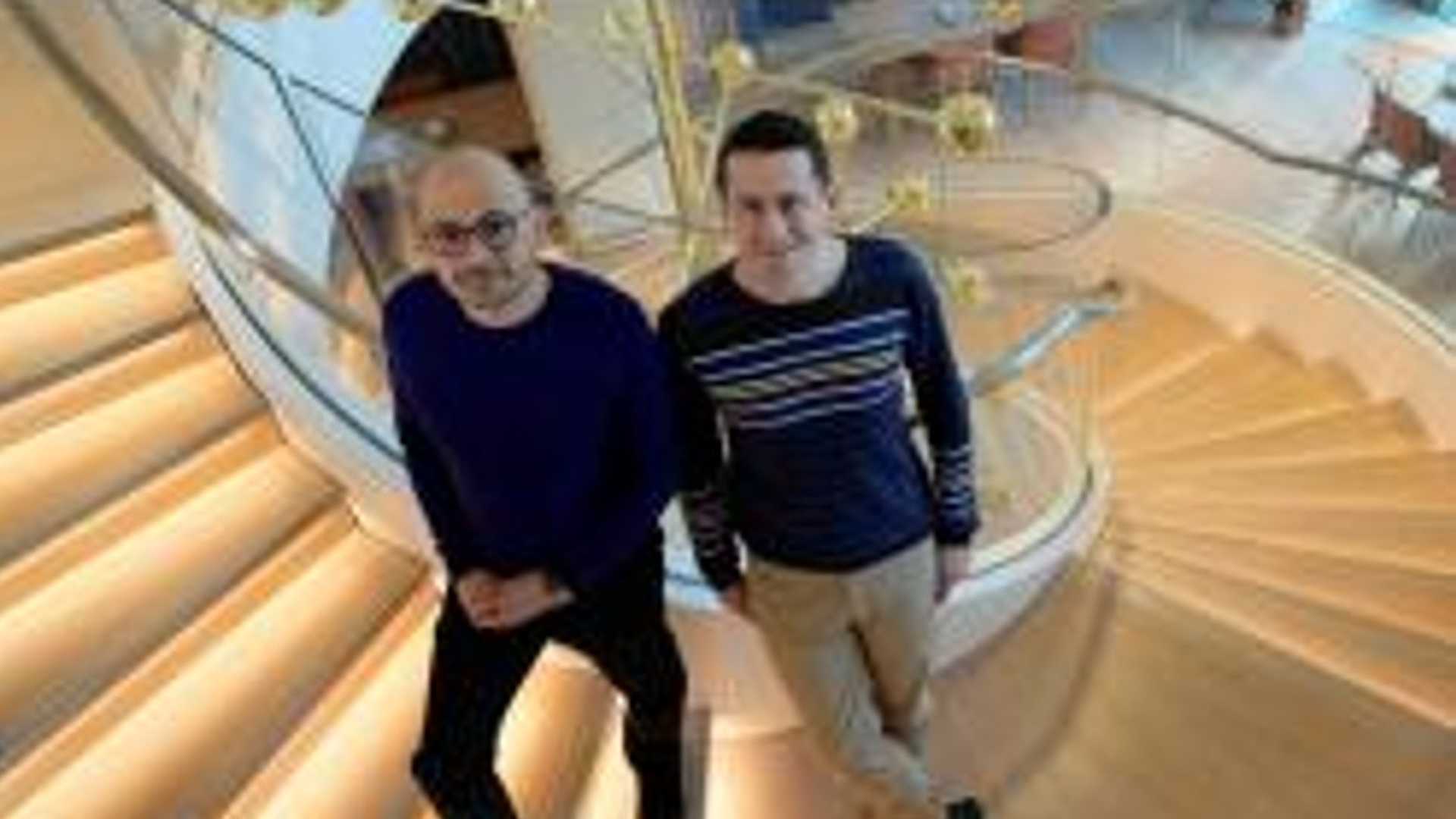
The chemistry award recognized biochemist David Baker from the University of Washington, along with computer scientists Demis Hassabis and John Jumper from Google DeepMind in the UK. The collaboration between AI pioneers and biochemistry exemplifies the interconnection between technology and scientific breakthroughs.
AI Contributions in Science
Hinton's pivotal work in machine learning, particularly the development of the backpropagation algorithm, laid the groundwork for significant advancements in AI. This algorithm revolutionized neural networks, enabling the training of complex systems like GPT, AlphaGo, and AlphaFold.
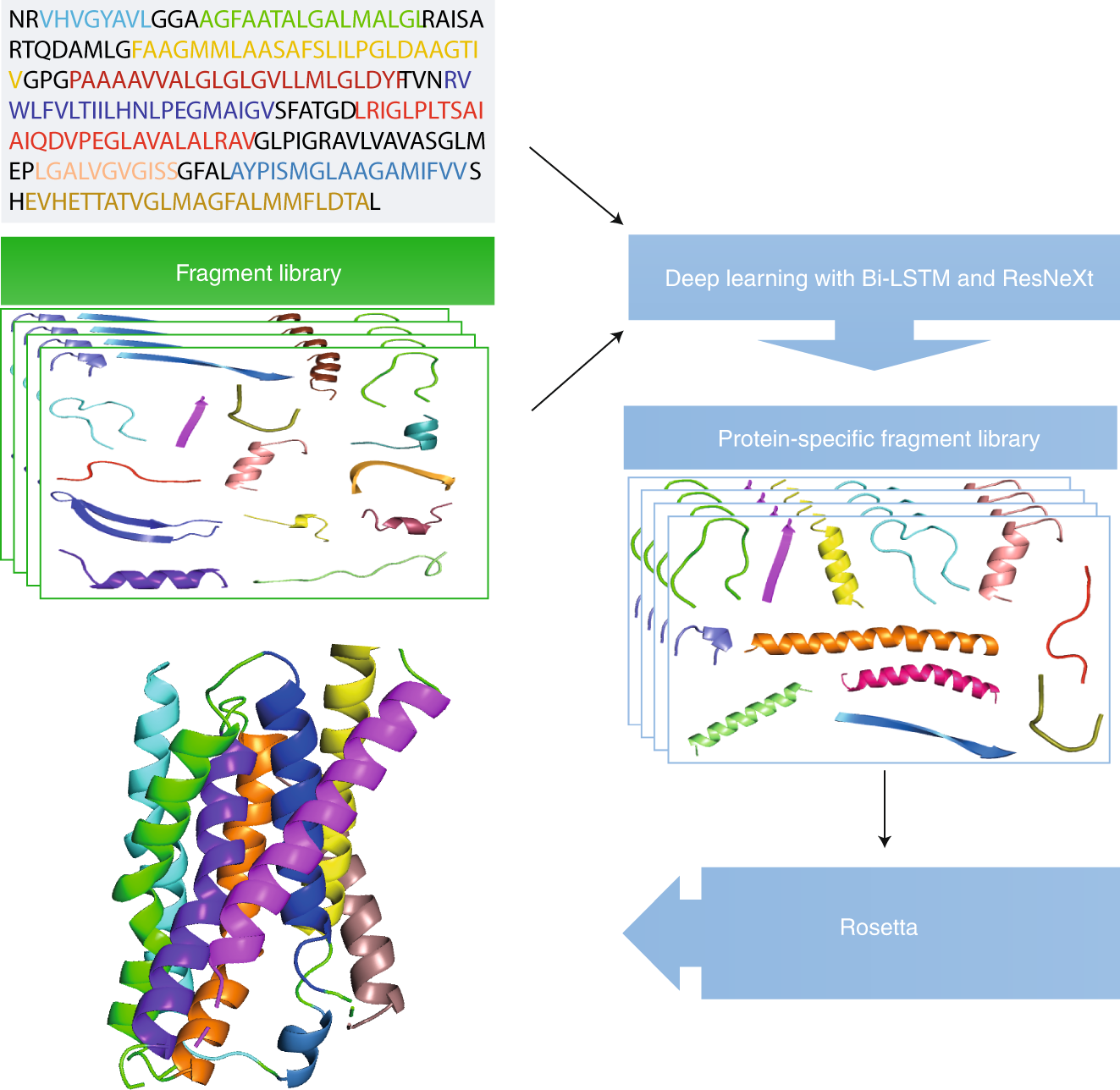
AlphaFold 2, a creation of Google DeepMind, achieved a remarkable feat in predicting protein structures with unprecedented accuracy. The impact of backpropagation and AI-based technologies extends across various scientific domains, promising transformative applications.
Attribution Challenges in Nobel Prizes
The attribution of scientific discoveries, especially in collaborative and interdisciplinary research, has been a subject of debate. The emergence of AI as a collaborative partner raises questions about attributing credit in Nobel-worthy achievements.
As AI continues to blur the lines between human ingenuity and artificial collaboration, the future of scientific recognition may witness a paradigm shift. The prospect of machines taking on significant roles in research endeavors challenges the conventional notions of scientific contribution and acknowledgment.

Could we envision a scenario where AI tools themselves are recipients of the Nobel Prize? The evolving landscape of scientific discovery beckons a reevaluation of traditional frameworks for honoring achievements.
Original Source: The Conversation