
AI has reached a pivotal moment in the era of ChatGPT, where the focus is now on delivering tangible ROI. When ChatGPT made its debut in late 2022, it dazzled with its ability to handle tasks like crafting poetry, debugging code, and engaging in conversation. This sparked a wave of optimism among CEOs who saw the potential of AI and Decentralized AI to transform their businesses. However, as the hype settles and businesses evaluate the actual returns, the question arises - where is the ROI?
The Challenge of ROI in AI
Consider this scenario: a company invests $500,000 in deploying an AI chatbot for customer service. While the chatbot impresses customers with its efficiency, it fails to reduce costs or drive revenue. This illustrates a common dilemma in the AI landscape - the admiration for technology must align with tangible business outcomes.
One solution to this challenge lies in decentralized AI, which leverages blockchain for secure data sharing and governance. By enabling companies to collaborate on AI models without compromising sensitive data, decentralized AI offers a path to cost-effective innovation.
The Current State of AI Investment
According to research from Ernst & Young LLP, the momentum behind AI investment is growing, with more senior leaders recognizing the positive ROI potential. However, there remains a gap between investment and realizing the foundational capabilities needed for AI to deliver value.
While AI adoption is widespread across industries, the McKinsey survey reveals that only a fraction of organizations are seeing significant financial returns from their AI initiatives. This underscores the importance of aligning AI projects with business objectives and tracking key performance indicators to ensure meaningful outcomes.
Unlocking AI's ROI Potential
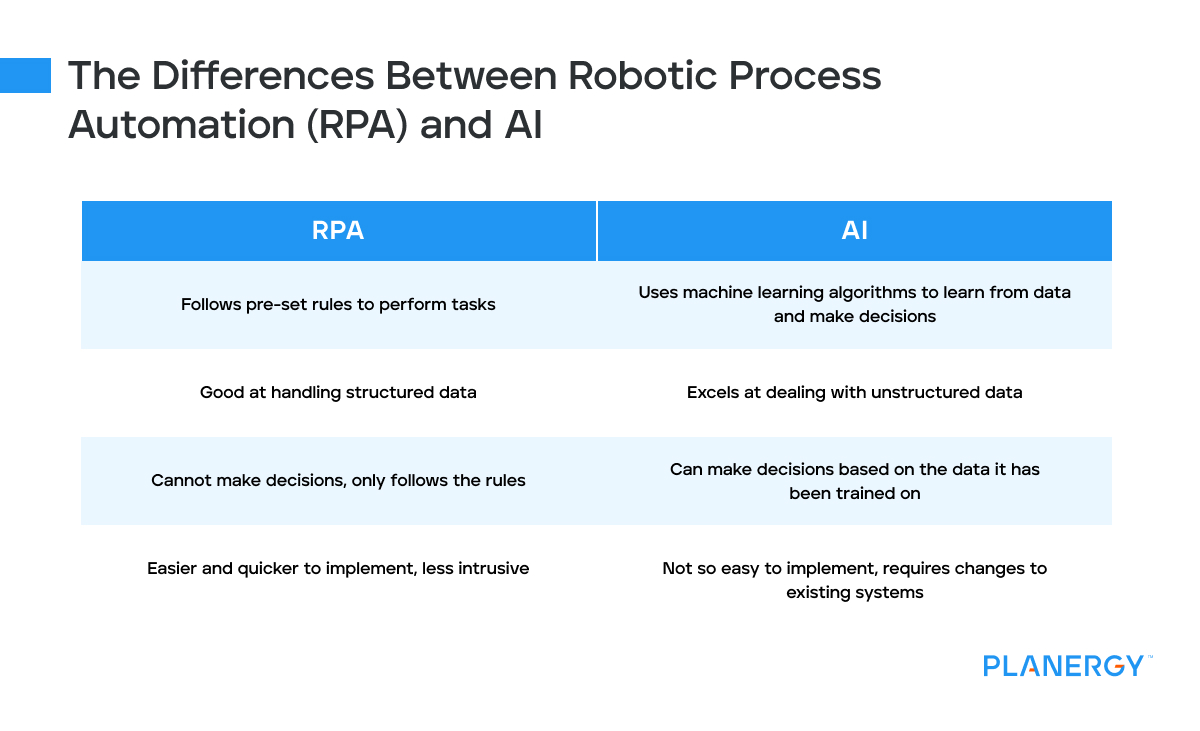
AI holds promise in delivering ROI when strategically implemented. Its ability to automate repetitive tasks like Robotic Process Automation (RPA) can enhance productivity, while its data analysis capabilities offer valuable insights for decision-making and revenue growth.
Personalization is another key strength of AI, demonstrated by companies like Netflix and Spotify, who use recommendation algorithms to tailor content to individual users. This personalized approach not only improves customer satisfaction but also boosts retention rates.
Overcoming Challenges in AI ROI
Despite its potential, achieving AI ROI is not without obstacles. The upfront costs of training advanced models and maintaining AI infrastructure pose financial barriers, especially for smaller organizations. Misaligned expectations, lack of understanding, and resistance from employees further complicate the journey to realizing AI's full potential.
Success Stories in AI ROI
Several companies have successfully harnessed AI to drive tangible returns. General Electric leverages AI-driven predictive analytics to optimize maintenance operations, while Zara uses AI for inventory management to boost sales and reduce waste. Bank of America's virtual assistant, Erica, has revolutionized customer service, leading to measurable ROI for the bank.

John Deere's AI technology in agriculture and Khan Academy's personalized education platform showcase the diverse applications of AI in delivering real-world benefits. These success stories highlight the transformative power of AI when aligned with business goals.
In conclusion, as businesses navigate the evolving landscape of AI, the key lies in strategically deploying AI initiatives that align with core objectives and drive measurable value. By overcoming challenges, leveraging the strengths of AI, and focusing on ROI-driven strategies, organizations can unlock the full potential of AI in the ChatGPT era.