AI that finds answers - The Royal Gazette | Bermuda News ...
Artificial intelligence has come a long way, with one of the most interesting innovations being retrieval-augmented generation. If you’re unfamiliar with the term, you are not alone — RAG is a concept that, while not as well known as “AI” or “machine learning”, is increasingly becoming a game-changer in how we use AI to answer questions and provide valuable insights.
Let’s break down what RAG is and why it’s worth knowing about.
What is retrieval-augmented generation?
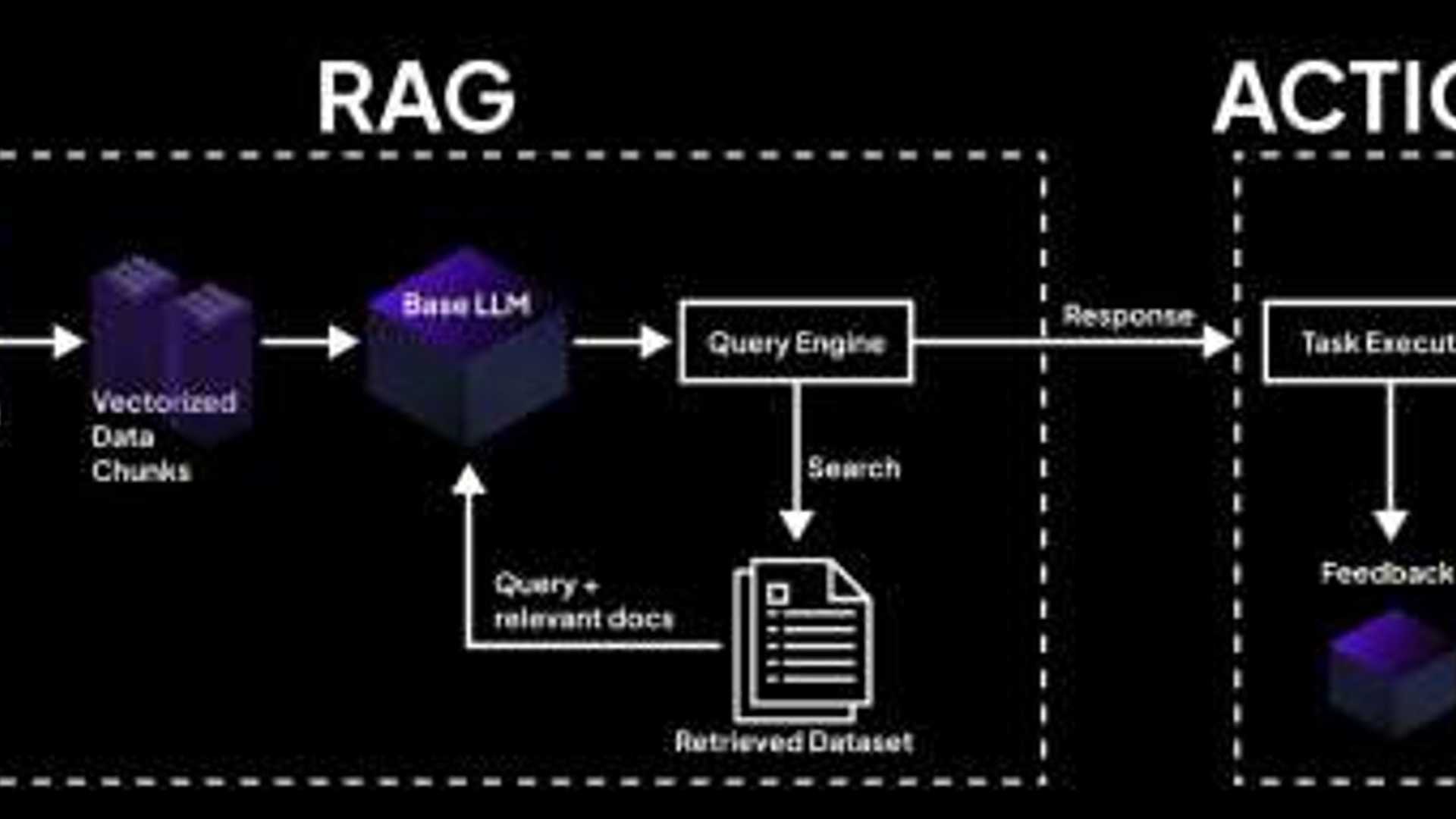
Retrieval-augmented generation combines two powerful AI capabilities: retrieval and generation. Retrieval refers to searching for relevant information from a vast collection of data, like searching a massive library filled with books, articles and documents to find specific information. Generation, on the other hand, involves using a large-language model like GPT to take the retrieved information and generate a coherent, humanlike response.
RAG enhances generative AI models by enabling them to reference specific documents and combine this information with existing knowledge. This results in more relevant and up-to-date answers. It is particularly useful for chatbots accessing internal company data or providing answers based solely on authoritative sources.
How RAG works
RAG works by combining retrieval and generation to create highly accurate responses. It starts when a user asks a question like, “Where can I find the latest project report?” or “How do I submit an expense claim?” The system then searches through a database or set of documents to find the most relevant information—similar to using a search engine tailored to trusted sources. Once the relevant data is found, the language model uses it to generate a complete answer. For example, if a user asks about submitting an expense claim, the system can provide a step-by-step answer based on the company's internal policy.

Why is RAG important?
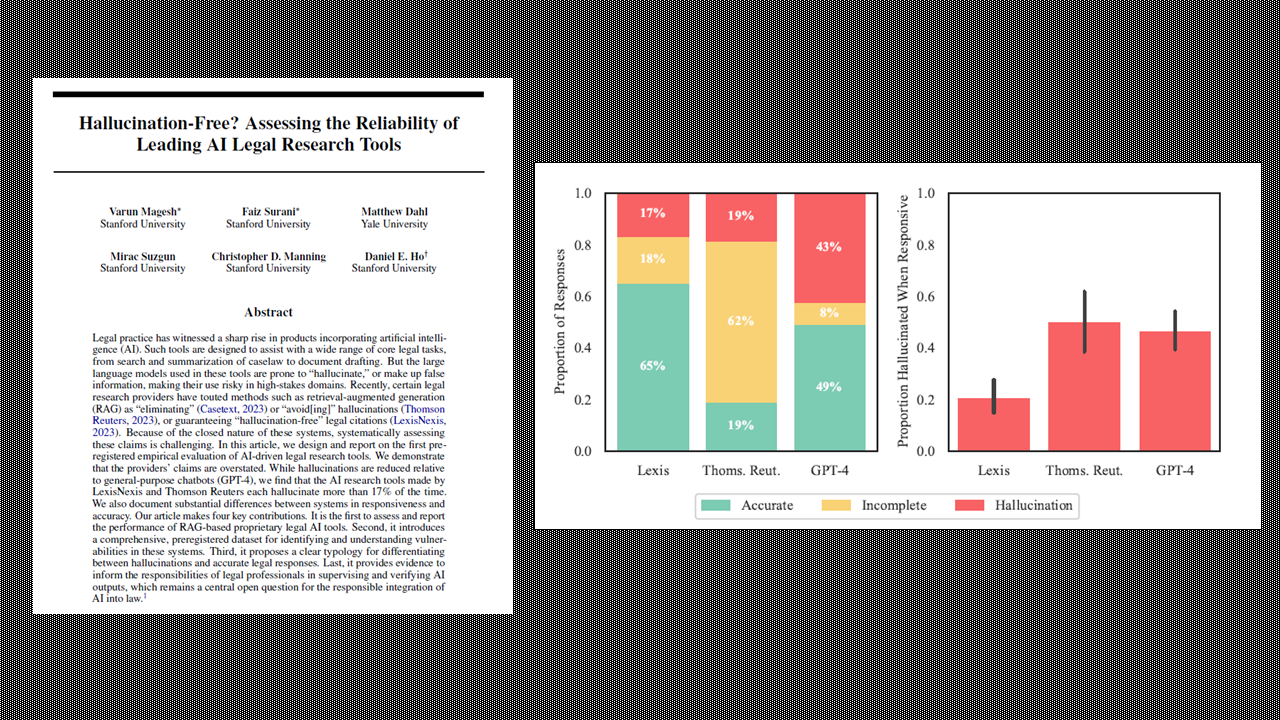
RAG represents a significant advancement by combining the accuracy of a search engine with the fluidity of natural language generation. Unlike standard language models trained up to a specific point, RAG can retrieve the latest information from databases, making it highly useful in fields where information changes rapidly. By retrieving specific information before generating an answer, RAG also reduces the likelihood of errors or hallucinations — a common issue with AI models that generate plausible but incorrect facts.
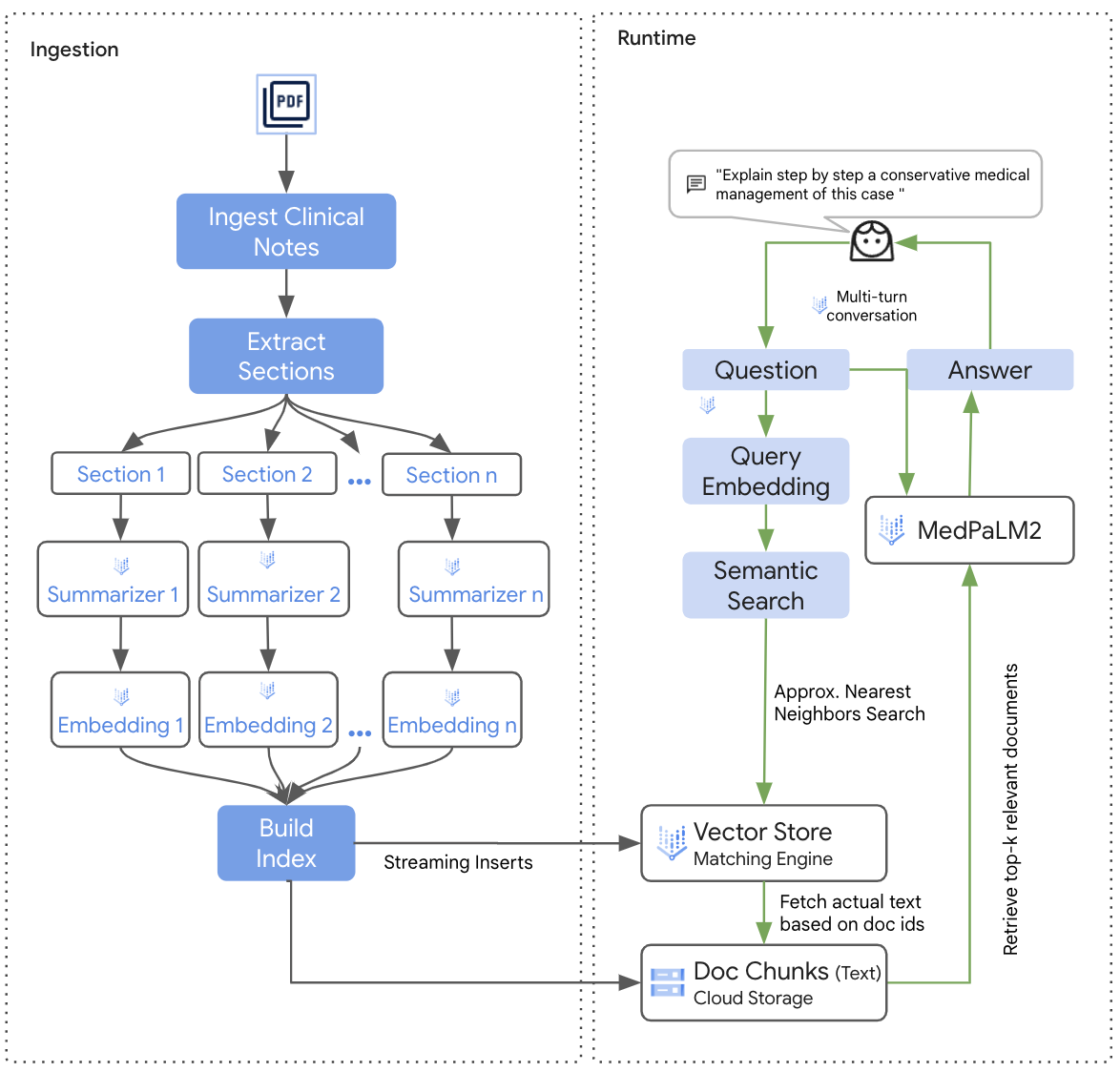
Consider Glean, an AI-powered enterprise search tool. Glean connects to various workplace applications, allowing employees to access information across their organisation’s digital workspace. By utilising RAG, Glean provides personalised, context-aware search results that enhance productivity. Similarly, Azure AI Search offers an RAG architecture that augments LLMs with an information retrieval system, grounding responses in enterprise data and ensuring accuracy and contextual relevance.
Examples of RAG in action
Rag’s versatility makes it applicable across multiple industries. In customer support, Rag-based chatbots can answer questions by retrieving information from internal databases, such as manuals or FAQs, to generate detailed, context-specific answers. In healthcare, doctors can use RAG to retrieve the latest treatment guidelines for specific conditions, providing concise summaries that support decision-making. In a legal setting, paralegals can use RAG to quickly find relevant case law or document templates, streamlining research tasks and improving workflow efficiency.
Why should you care about RAG?
RAG is the future of artificial intelligence — not just as a conversational tool, but as a source of genuinely helpful information. In a world overwhelmed with information, RAG helps to filter and present the right data in an accessible way, blending the precision of a search engine with the creativity of generative AI.
Closing thoughts
The potential applications for retrieval-augmented generation are vast. As this technology develops, it will become a core component of many tools we use every day— from virtual assistants to educational platforms. Consider how RAG may be implemented in your organisation to improve decision-making and streamline operations.

What are your thoughts on retrieval-augmented generation? Could it impact your field or daily life? Let’s discuss!








