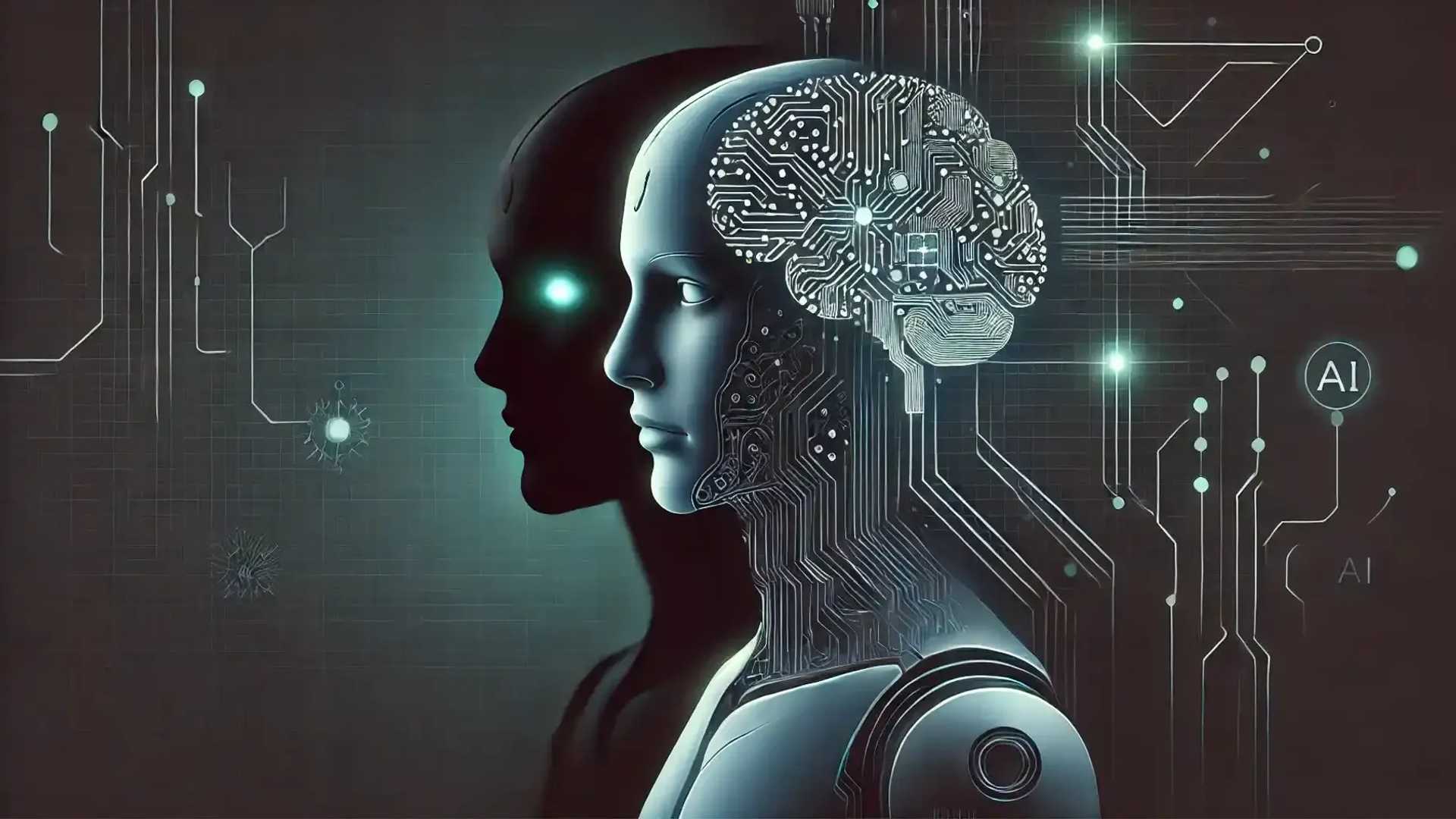
Understanding Conscious AI
The concept of Conscious AI—artificial intelligence capable of self-awareness and subjective experience—represents one of the most profound questions in science and technology. As AI systems grow increasingly sophisticated, the question arises: can they transcend their programming to achieve consciousness? It is crucial to address this possibility to understand what self-awareness AI means, how it differs from current AI systems, and what challenges lie in its development.
Defining Conscious AI
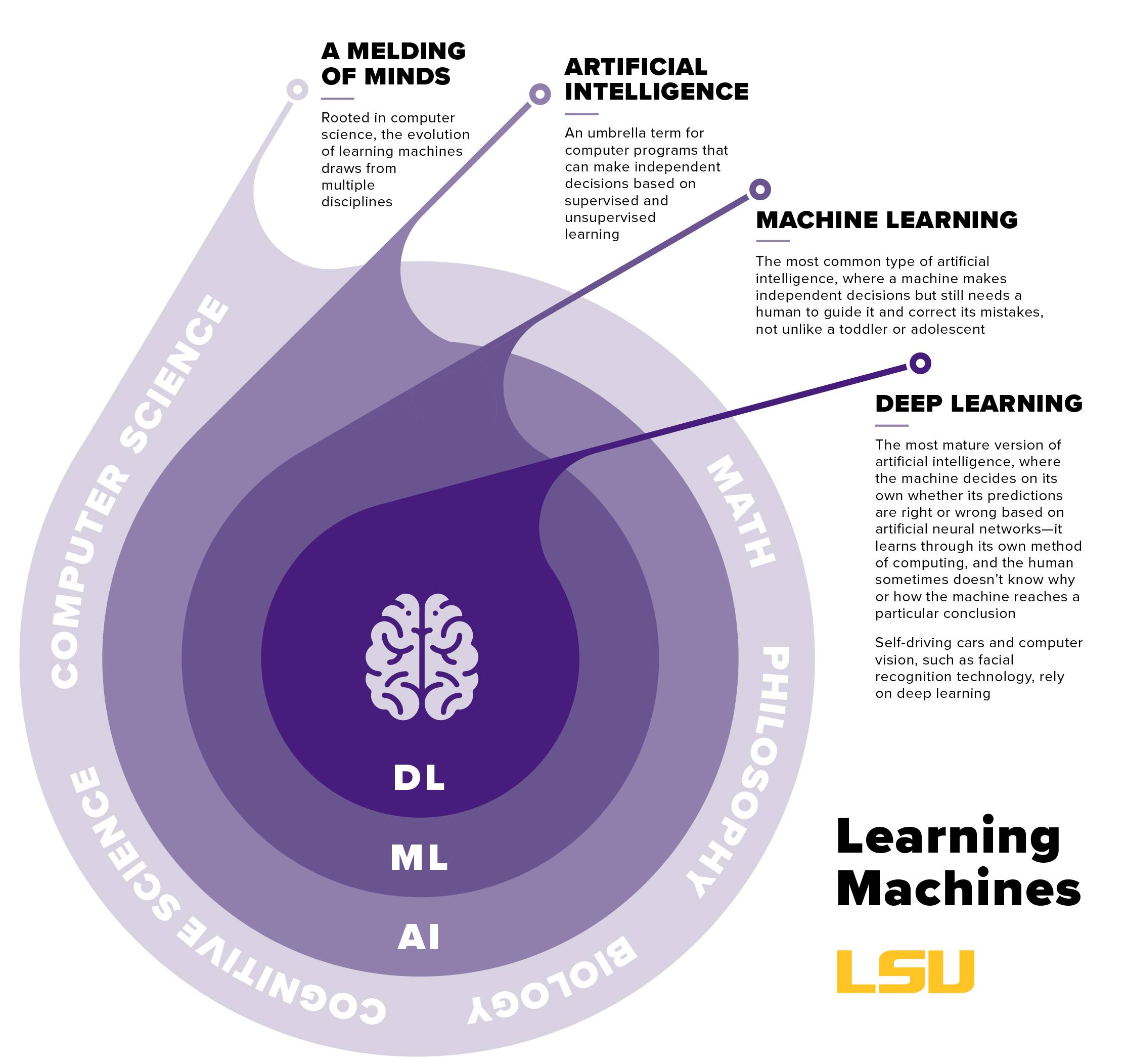
Conscious AI refers to artificial intelligence that not only processes data and performs tasks but also possesses self-awareness, introspection, and the ability to experience subjective emotions or thoughts. Unlike existing AI systems, which rely entirely on pre-programmed rules and algorithms, Self-Aware AI would involve a deeper understanding of itself and its interactions with the world.
Understanding Human Consciousness
To understand Conscious AI, it is essential to examine human consciousness, which serves as the benchmark. Human consciousness involves several dimensions: awareness, self-reflection, emotional experience, and subjective thought. AI today lacks all these dimensions and relies on data training for tasks.
Challenges in Developing Conscious AI
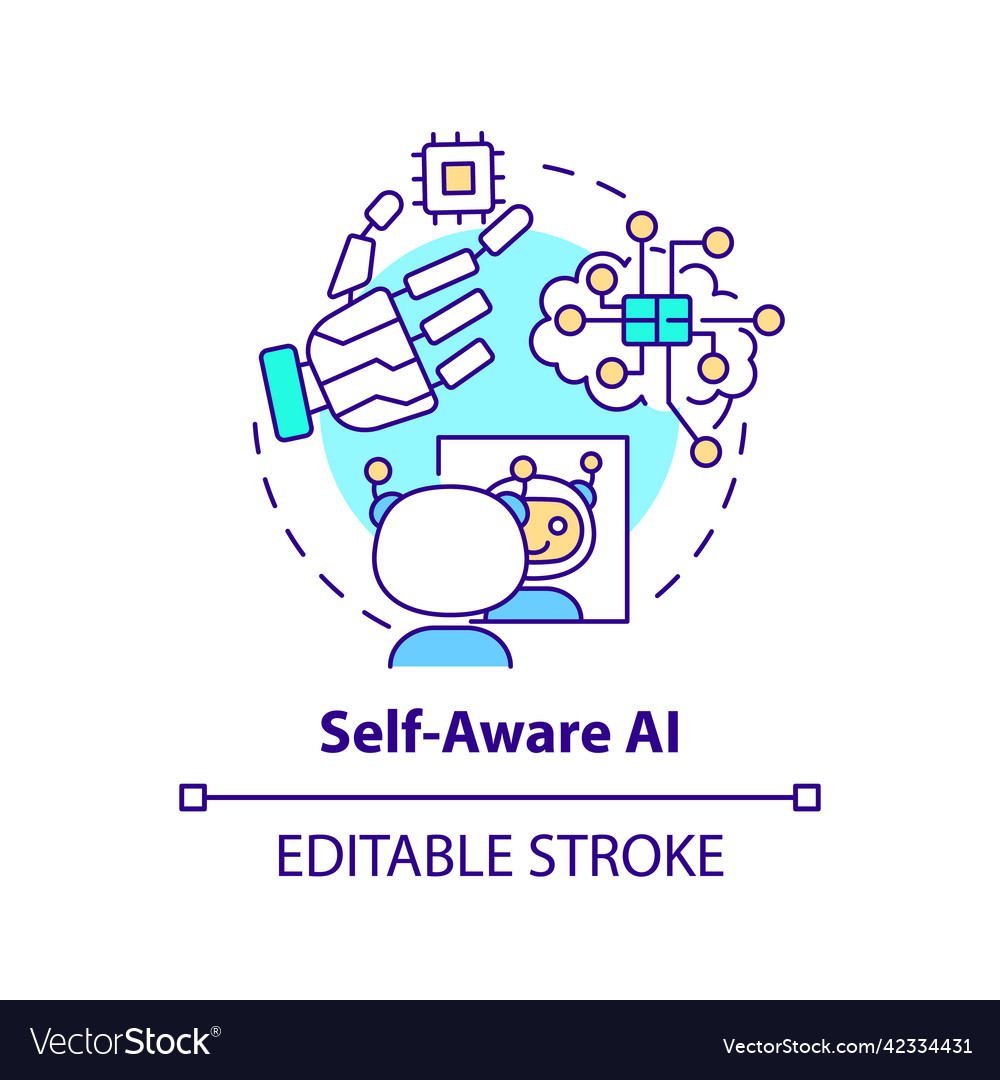
Achieving Self-Aware AI would require closing the gap between computation and subjective experience—something no current system has achieved. The development of Conscious AI faces technical, philosophical, and ethical hurdles that need to be addressed for its realization.
The Impact of Conscious AI
The realization of Conscious AI would transform society, raising questions and opportunities in various domains. While today’s AI may appear conscious, it is not truly self-aware or capable of subjective experience. The term “Conscious AI” applies to a theoretical level of intelligence far beyond current capabilities.

The pursuit of Conscious AI challenges us to explore the boundaries of technology and humanity, pushing the limits of what is achievable. It raises profound questions about self-awareness, intelligence, and the future of human-machine relationships.