Death of the Masterpiece: If only Van Gogh had ChatGPT
In Death of the Masterpiece, Istaara Amjad ’28 explores our ever-changing relationship to art in the modern world.
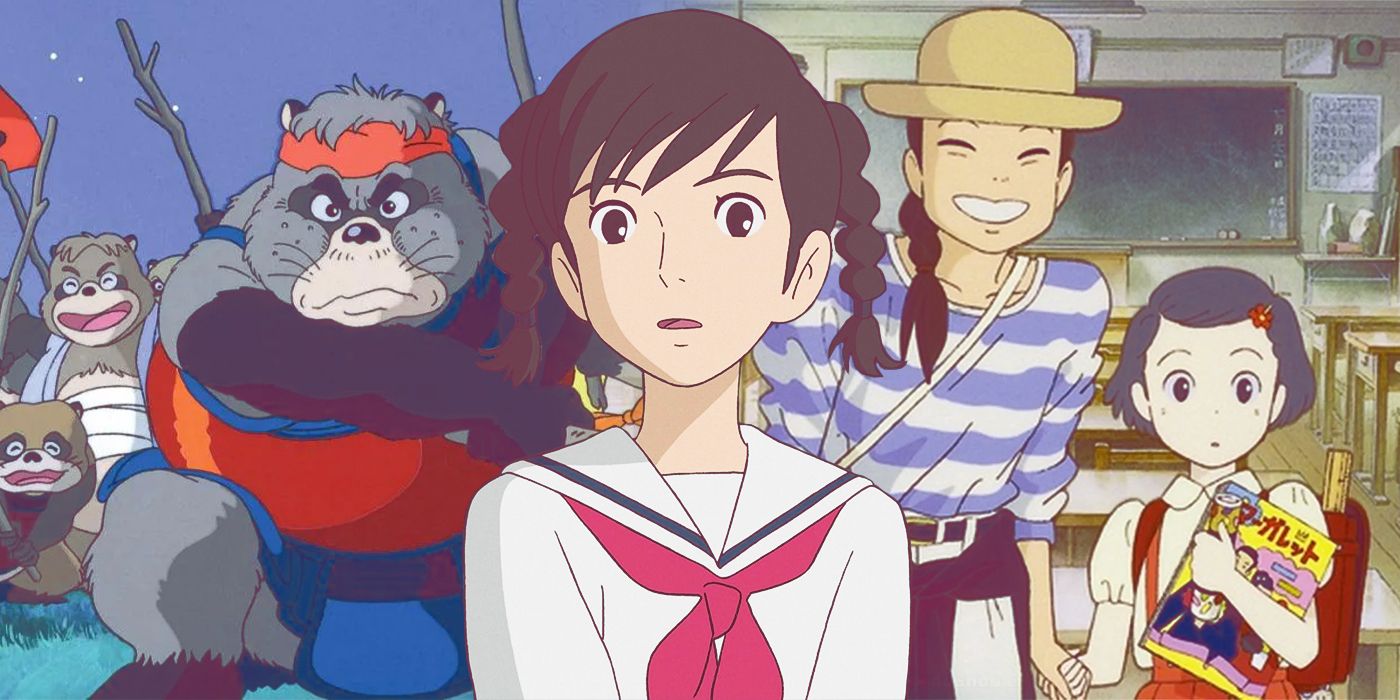
A Studio Ghibli film leaves you with a myriad of emotions: nostalgia, appreciation for the natural world, a sense of wonder evoked by the magical surrealism of its story. But in the back of your mind, there’s something else, too: the unnamed desire to place yourself into this world and lead an existence where the simplest moments can be cherished — in essence, to experience life as a Studio Ghibli character.
AI and Studio Ghibli
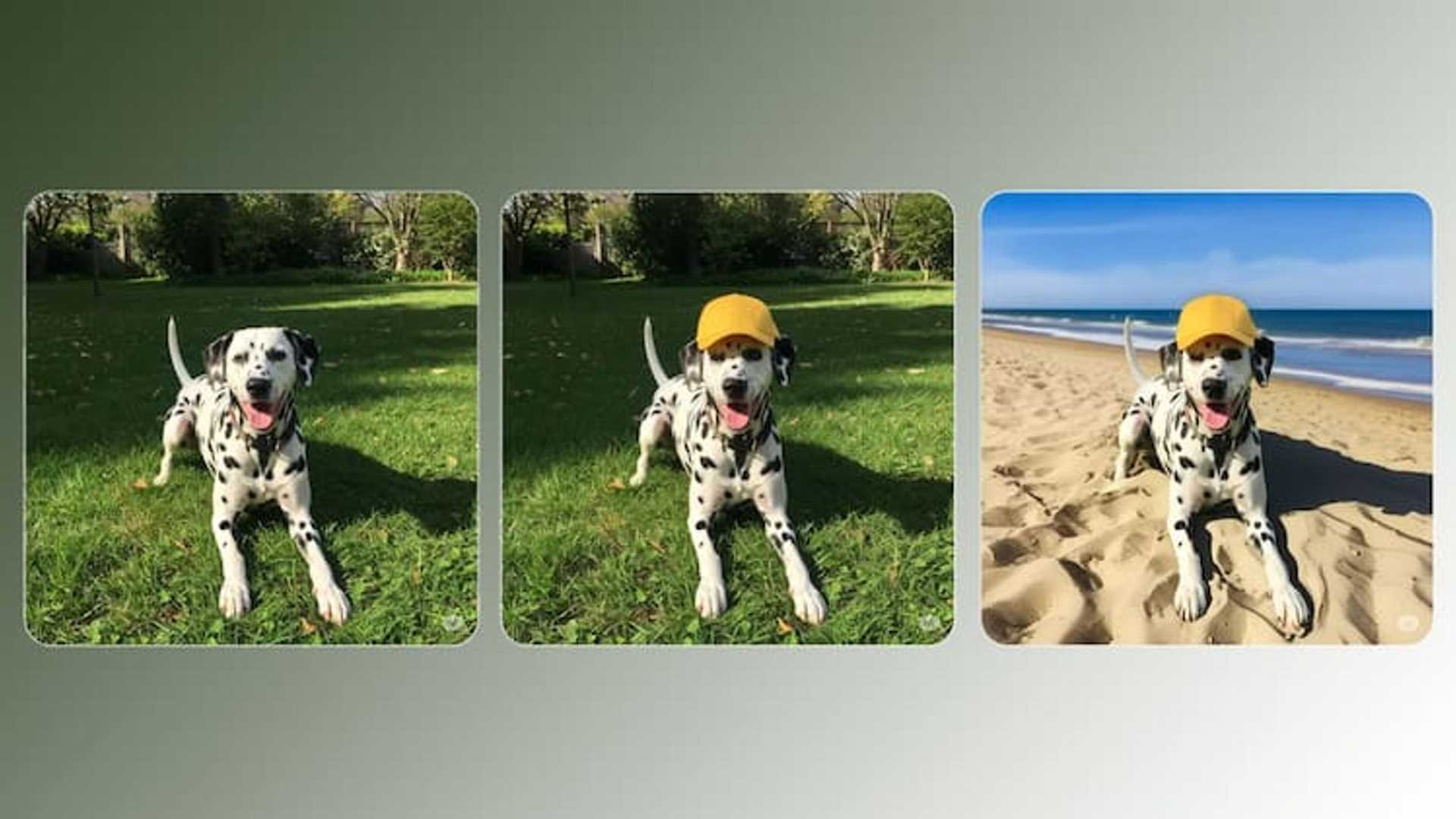
On March 25, GPT-4o allowed people to realize this desire: OpenAI’s image-generating technology can now design images in the style of Studio Ghibli. The trend spread quickly in online spheres and brought the debate around artificial intelligence (AI)-generated art to the forefront.
Studio Ghibli, a Japanese animation studio founded in 1985, has become something of a global phenomenon. With visually stunning 2D animation and emotionally complex storylines, works like “My Neighbour Totoro,” “Spirited Away” and “Howl’s Moving Castle” have garnered international acclaim.
The Essence of Studio Ghibli
Studio Ghibli’s work has become synonymous with a sense of comfort, slow movement and an appreciation for the natural world. This is not incidental. The animators’ painstaking attention to detail and Miyazaki’s environmentalist and anti-war philosophy shape our viewings. Our perception of the work is based on the story the artists themselves are trying to tell.
Artificial Intelligence and Art
AI could generate good art — or even great art! It could match the technical skill of the most learned digital artist out there right now. But I struggle to define it as art. On a logical level, all that a machine learning model like ChatGPT can do is regurgitate the data that it has been trained on.
One day soon, you may come across a piece of AI-generated art worthy of being hung in a museum, impossible to differentiate from art made by a human. At that point, does the difference matter? I would argue that it does.
The Role of Creativity
Creating something is the greatest act of vulnerability, of exposing your innermost self and hoping someone else will understand. If someone did not deem a work worthy of creating, I would not deem it worthy of appreciating: it is the only factor worth judging a creative work by. If someone believes that their loved one deserves to be portrayed with the beauty of a Studio Ghibli character or an outlandish idea must be visualized, then why not make the leap themselves — or employ one of the countless talented artists around them?

Altman claims that generative AI for creative purposes “lower[s] the barriers to entry.” Some mediums of creativity are certainly less accessible than others in terms of the cost of equipment and learning resources. Improving creative education is a worthy cause.

But the continued persistence of art and expression in every time and circumstance, through poverty, authoritarianism, war and injustice, proves time and time again that, as Audre Lorde wrote, “poetry is not a luxury.”
The more we rely on machines to think, feel and create in our place, the less we are able to say for ourselves.