Why ChatGPT's essays don't fool experts – yet
Artificial intelligence has made significant strides in various fields, including generating written content. However, a recent study from the University of East Anglia (UK) highlights a crucial gap between AI-generated essays and those crafted by human students.
Published in the journal Written Communication, the research compared essays penned by 145 students with those produced by ChatGPT, an advanced AI language model. While the AI-generated essays demonstrated proficiency in structure and grammar, they fell short in a crucial aspect: the human perspective.
The Human Perspective Dilemma
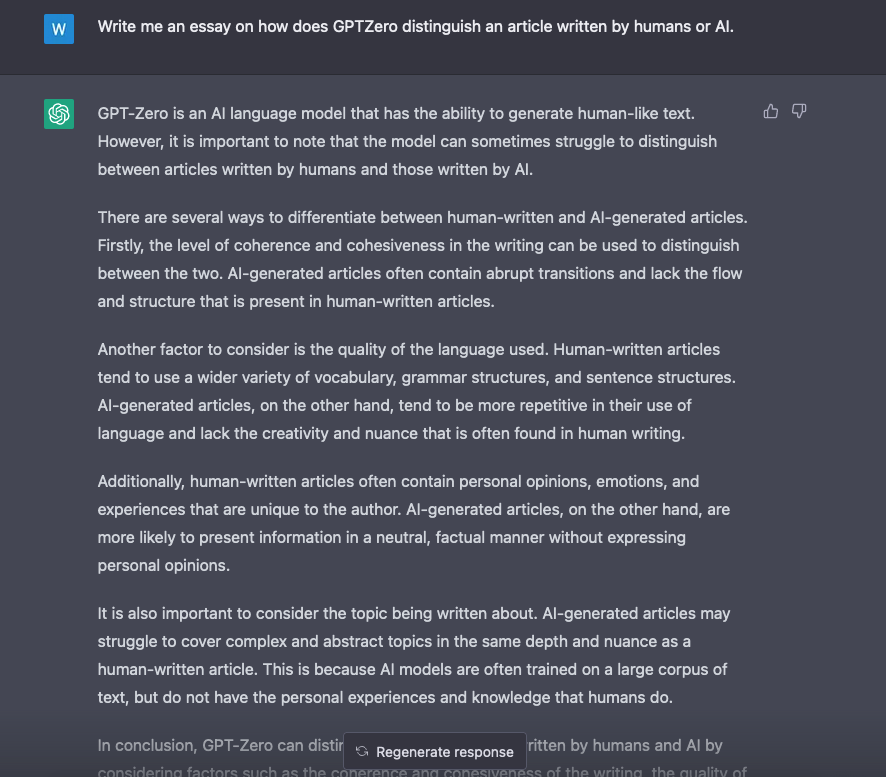
One of the key distinctions noted in the study was the absence of personal insight and nuanced critical thinking in the AI-generated essays. Authentic student submissions, on the other hand, were rich in engaging elements such as personal commentary and rhetorical questions that establish a connection with the reader.
According to Prof Ken Hyland from UEA’s School of Education and Lifelong Learning, the rise of AI writing tools like ChatGPT has sparked concerns among educators. There is a legitimate fear that such tools could potentially facilitate academic dishonesty and undermine essential literacy and critical thinking skills.
Engagement Markers Analysis
The research team meticulously analyzed the essays to identify 'engagement markers,' such as questions and personal commentary. The findings revealed that while the AI-generated essays excelled in linguistic fluency, they lacked the interactive and persuasive elements present in essays by real students.

The human essays featured a diverse range of engagement strategies that enhanced clarity, connection, and argument strength. In contrast, the AI essays adhered to academic writing conventions but lacked a personal touch and clear perspective on the topic.
The Future of AI in Education
Despite the limitations observed in AI-generated content, the study acknowledges the potential of AI tools in educational settings. Rather than viewing AI as a threat, the researchers advocate for leveraging tools like ChatGPT as educational aids to enhance learning outcomes.
Prof Hyland emphasizes that beyond teaching writing skills, educators play a vital role in nurturing critical thinking abilities - a dimension that AI algorithms currently cannot replicate.