Will AI take over the world? Featuring Kyle Polich, the Dataskeptic ...
Welcome back to the Rationable interviews, or should I say Rationable Conversations. Today, we have the pleasure of speaking with Kyle Polich, the Dataskeptic himself, about the fascinating world of AI.
AI, or artificial intelligence, has been a hot topic lately. From chat GPT to graphic AI, the advancements in this field have sparked both anticipation and fear among the general public. But what exactly is AI in its current state? 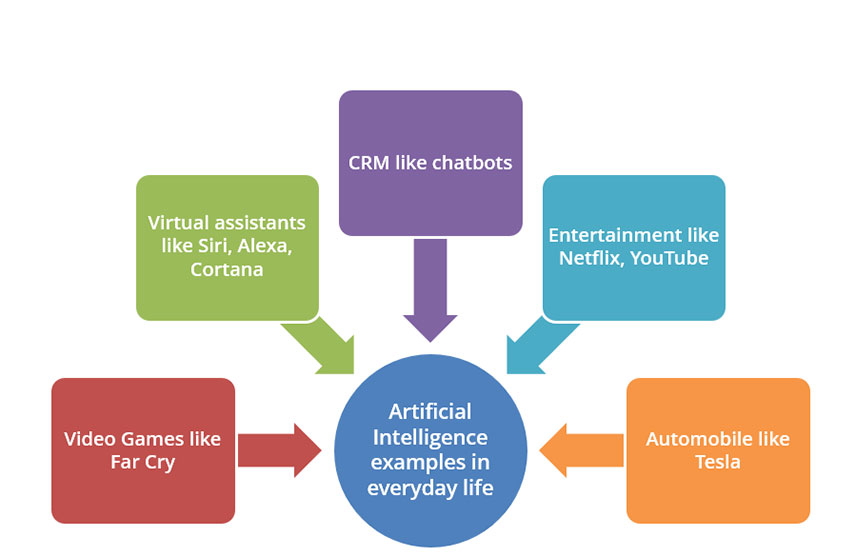
The Evolution of AI Algorithms
AI algorithms have come a long way since the early days. From simple techniques like the Bayesian naive base classifier used to tackle email spam to more complex models like the transformer, the sophistication of AI algorithms has grown significantly. At the same time, advancements in computing power, parallel processing, and data availability have played a crucial role in driving AI research forward.
For example, Google's implementation of spam filtering was a significant success, demonstrating the effectiveness of AI algorithms in solving specific problems. While Google may not have been the pioneer in this field, they have certainly been one of the most successful players. 
The Rise of AI Assistants
AI assistants like Google Assistant, Siri, and Bixby have become increasingly popular, offering users the ability to interact with AI technology through their devices. However, with the rise of AI in everyday applications, concerns about safety and reliability have also emerged.
For instance, the use of AI in automated driving systems, such as Tesla's autopilot feature, has raised questions about the limits of AI technology and the potential risks involved. While these systems have the capacity to enhance road safety, incidents like accidents due to overreliance on AI have highlighted the importance of understanding the capabilities and limitations of these technologies. 
The Power of Language Models
One of the most remarkable developments in AI technology is the emergence of advanced language models like GPT-4. These models are designed to predict the next word in a conversation, resulting in highly accurate and contextually relevant responses.
With each iteration, models like GPT have demonstrated a significant leap in sophistication and language understanding, paving the way for a new era of AI-powered interactions. 
As we continue to witness the evolution of AI, it is essential to stay informed about the latest developments and engage in meaningful conversations about the impact of AI on society.