Inside the first U.S. medical school to fully incorporate AI into its...
Artificial intelligence is rapidly becoming integrated into various aspects of our daily lives, including professional and educational settings. One notable institution leading the way in this integration is the Icahn School of Medicine at Mount Sinai in New York City. This medical school has made history by becoming the first in the nation to fully embrace AI technology as part of its doctor training program.
The Integration of AI at Icahn School of Medicine
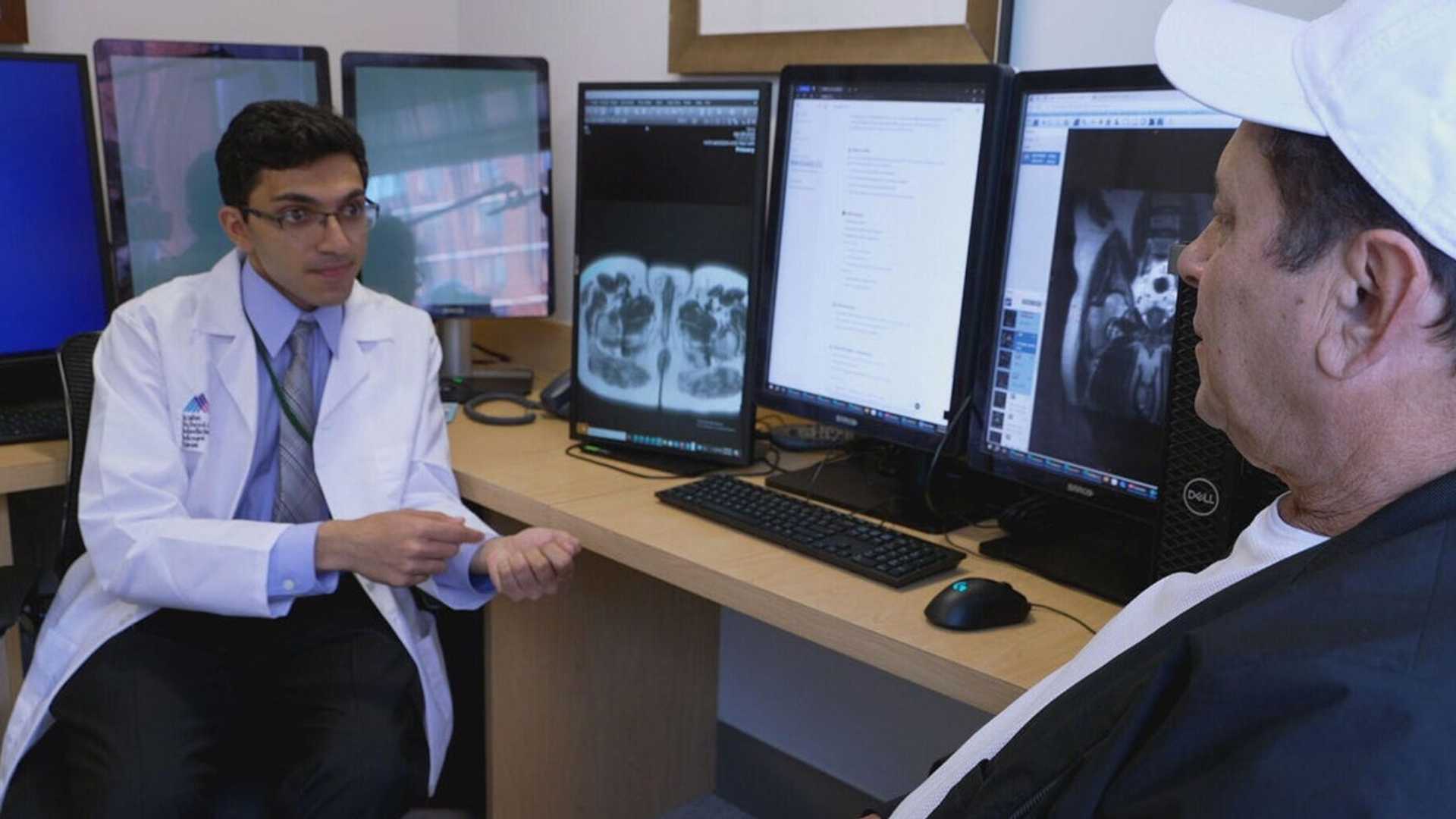
The Icahn School of Medicine has partnered with OpenAI to provide its M.D. and graduate students with access to ChatGPT Edu, an AI tool designed to enhance medical education. Students like Faris Gulamali are leveraging ChatGPT to prepare for surgeries and improve communication with patients, particularly in explaining complex diagnoses.

According to Gulamali, the utilization of AI has not only enhanced his learning experience but has also helped him streamline the explanation process, ultimately saving time and improving overall efficiency in medical education.
Ensuring Privacy and Safeguards
Given the sensitive nature of the medical field, concerns regarding privacy violations have been raised with the introduction of AI tools. OpenAI has emphasized its commitment to collaborating with educational institutions like Mount Sinai to implement stringent safeguards, ensuring the protection of student and patient data. ChatGPT Edu is fully compliant with HIPAA regulations, underscoring the importance of safe and ethical AI usage in the medical domain.
The impact of AI on medical education is profound and far-reaching, as highlighted by experts in the field.
The Impact of AI on Medical Education
Leah Belsky, Vice President and General Manager of Education at OpenAI, highlights the significance of equipping students with AI skills in healthcare. She emphasizes that AI not only accelerates learning processes but also enables students to delve deeper into medical knowledge, fostering a more comprehensive understanding of the field.
Dr. Benjamin Glicksberg, an associate professor at Icahn School of Medicine, attests to the transformative power of AI in medical education, describing it as the most remarkable innovation he has witnessed. He acknowledges the profound impact of AI on student interaction, mentorship, and innovation within the medical curriculum.
Perspectives from Students and Professors
Students like Vivek Kanpa view AI as a valuable technical resource in their academic pursuits. Kanpa highlights the AI tool's role in providing mentorship and technical support for research projects, enhancing productivity and problem-solving capabilities.
Dr. Glicksberg emphasizes that AI tools not only save time but also facilitate a more personalized and accessible learning environment for students. He encourages individuals to embrace AI as a tool for growth and collaboration, rather than viewing it as a threat to traditional medical practices.
Role of ChatGPT in Medical Education

In conclusion, the integration of AI technology at the Icahn School of Medicine represents a significant milestone in medical education. By leveraging AI tools like ChatGPT Edu, students and faculty are shaping a future where technology enhances learning, fosters innovation, and promotes equitable access to knowledge in the healthcare sector.