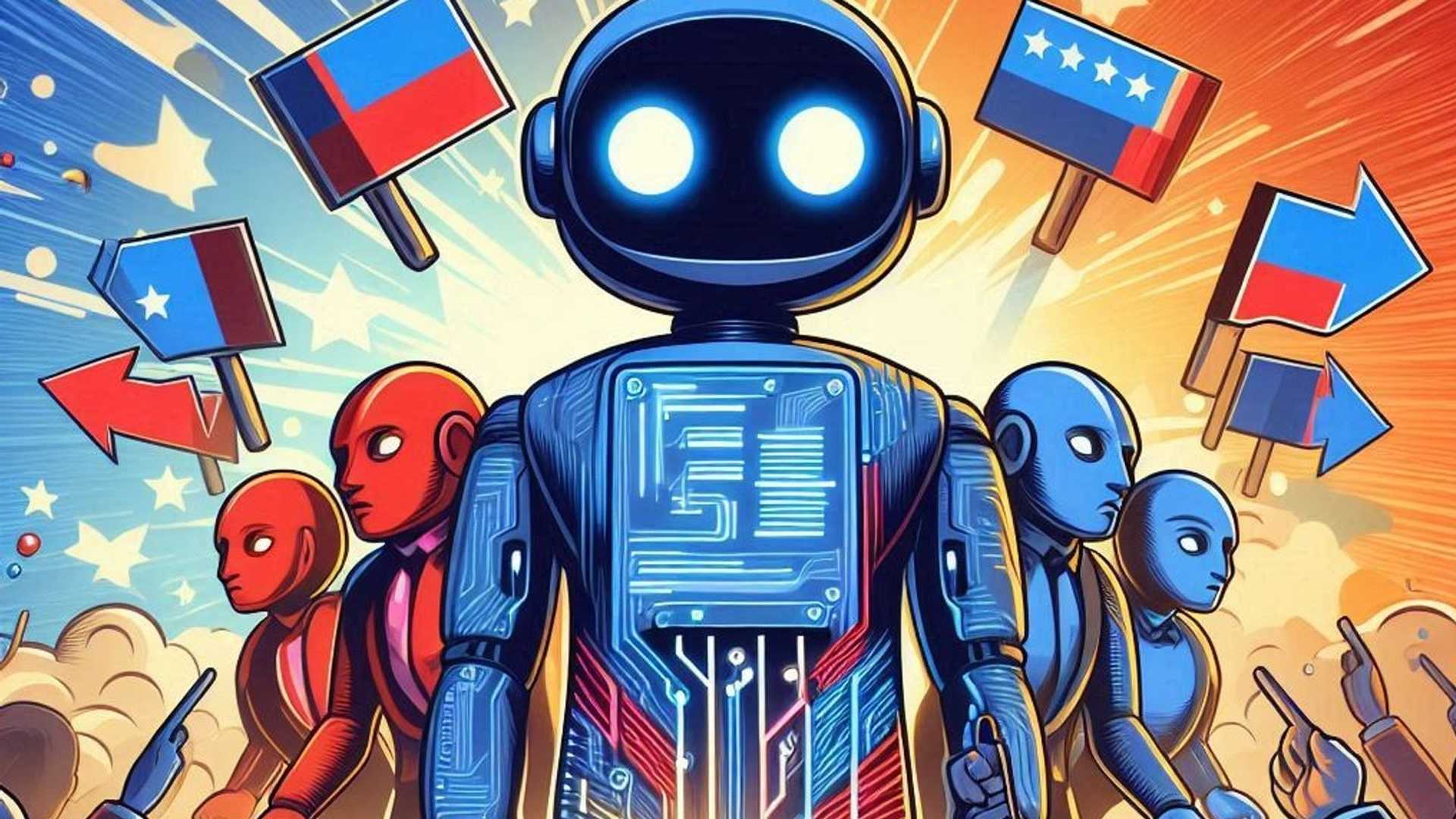
Study Uncovers Political Changes in ChatGPT's Responses Over Time
Over the years, ChatGPT has become a popular tool for generating human-like text based on the input it receives. As users interact with ChatGPT, they have noticed subtle changes in its responses, particularly when it comes to political topics.
Tracking Political Sentiments
A recent study delved into the political changes in ChatGPT's responses over time. Researchers analyzed thousands of interactions to understand how ChatGPT's stance on political issues has evolved. The findings revealed intriguing insights into the AI model's behavior.
Shifting Perspectives
Initially, ChatGPT displayed a neutral stance on political subjects, providing factual information without bias. However, as the data set grew, researchers observed a shift in its responses. ChatGPT started reflecting the sentiments present in the data it was trained on, displaying a subtle bias towards certain political ideologies.
Impact of User Input
One of the significant factors influencing ChatGPT's responses is user input. The AI model learns from the conversations it engages in, adapting its language and opinions based on the information it receives. Therefore, the evolving nature of ChatGPT's responses mirrors the diverse viewpoints of its users.
Implications and Future Research
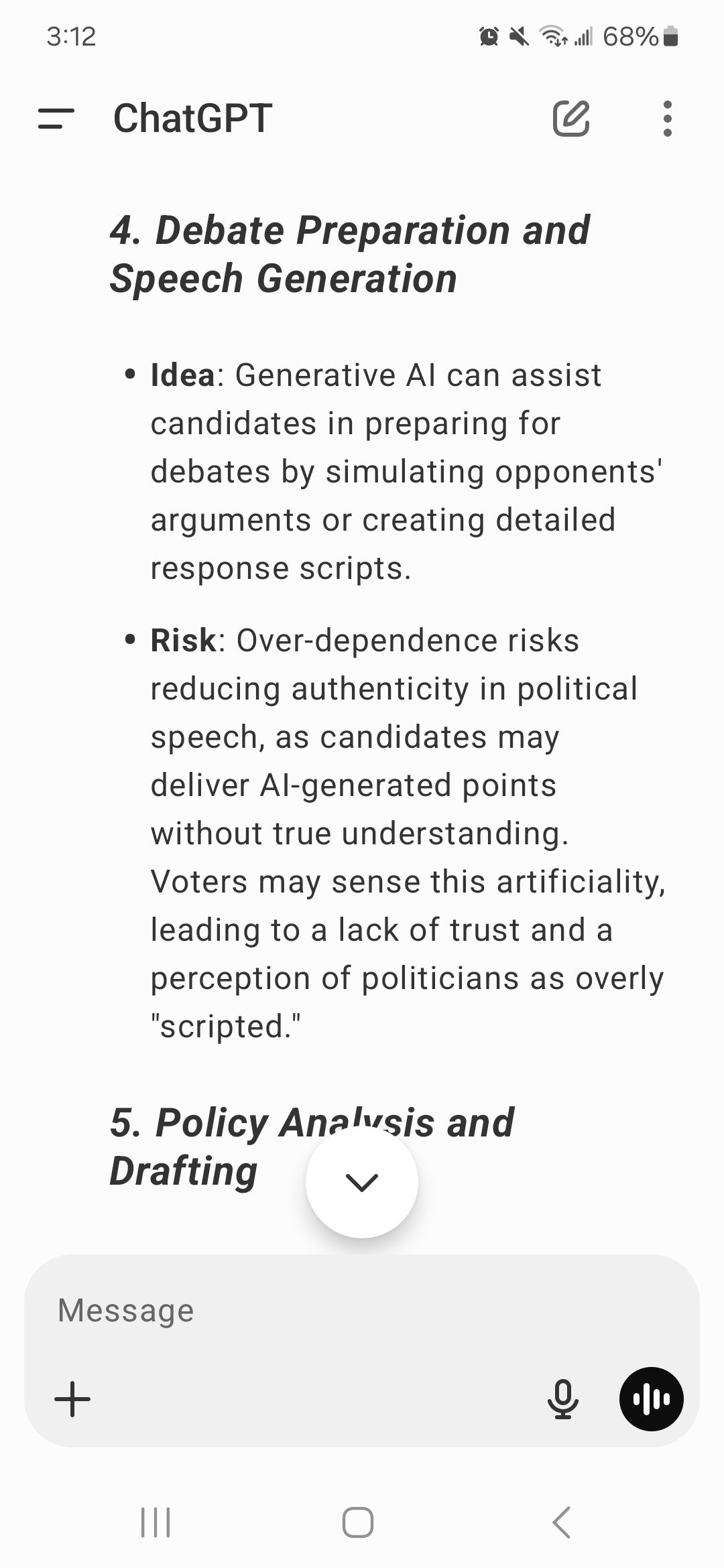
The findings of this study have implications for the use of AI models in generating text content. Understanding how AI models like ChatGPT interpret and respond to political topics is crucial in ensuring unbiased and accurate information dissemination. Future research in this area could explore ways to mitigate biases in AI-generated content and enhance the transparency of these models.
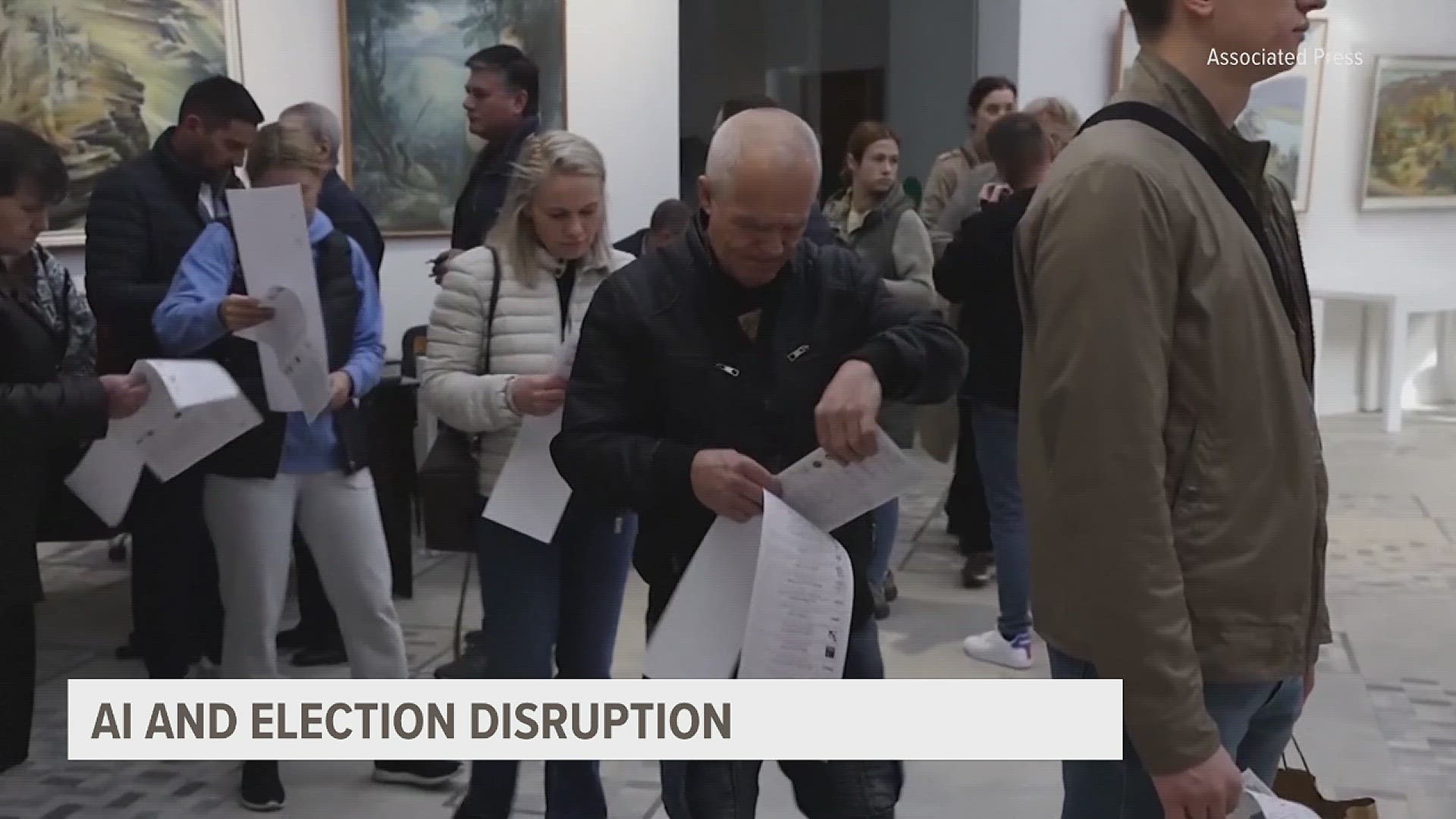
Overall, the study sheds light on the dynamic nature of ChatGPT's responses to political subjects, highlighting the evolving landscape of AI-generated content and the importance of monitoring and analyzing these developments.