Brief History of Artificial Intelligence
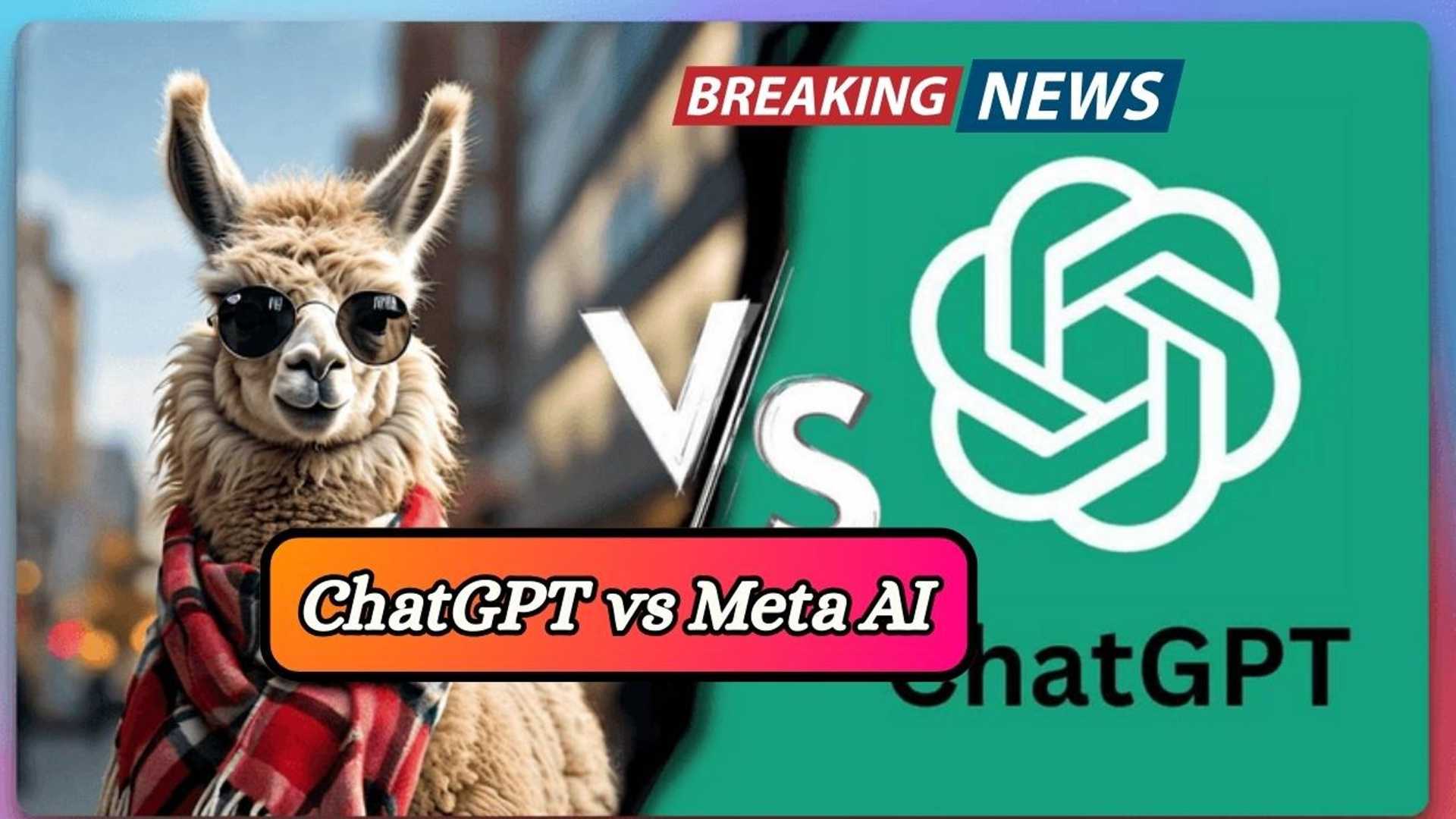
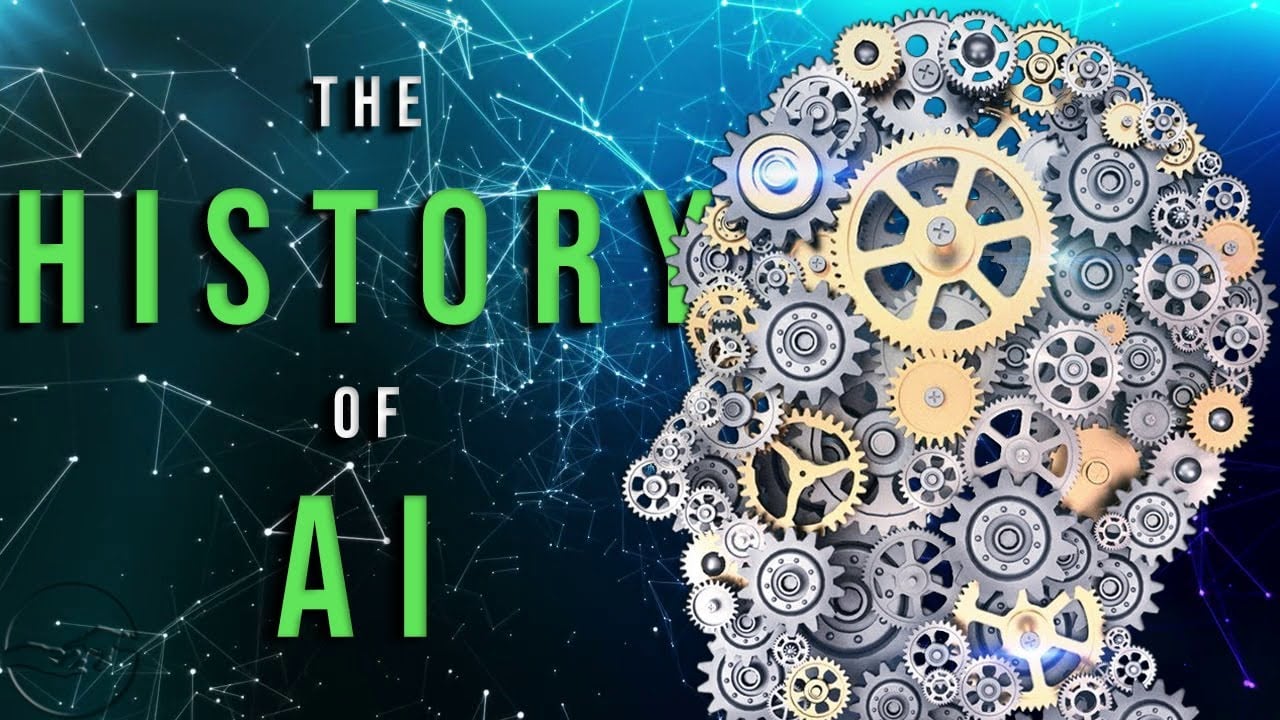
According to the authors, AI research began in the 1950s. The authors point out that the term AI was coined in 1956. In 1959, Arthur Samuel invented “machine learning,” and in 1967, Joseph Weizenbaum devised Eliza, a chatbot or “large language model” (LLM). Moving forward to the 2000s, Open AI introduced the First Generative Pre-Trained Transformer (GPT). Some of you may have ChatGPT on your iPhone or computer as an adjunct to Google. By 2023, AI apps had grown to include Google’s Bard, Meta’s LLaMA (Large Language Model Meta AI,) and many others.
What Is AI?
Think of a huge pot of information collected from all sources available. When you ask AI a question or want it to solve a problem, AI responds with whatever is in its database. If you use Siri, you have a virtual assistant powered by AI; if you have a smartphone, you are using AI. It is a machine that can “perform tasks that mimic human intelligence, such as critical thinking and acquiring knowledge.” All AI needs is a “prompt,” resulting in a new career called “prompt engineering.”
Because the most important concept educators teach is critical thinking, the authors view AI as a learning partner. The downside is that if we are lazy, AI can write a paper for us or, design a composition course, or solve a math problem without our having any input except our “prompt” that asks AI to perform whatever task we need done.
Here is a warning about AI from “The Week” magazine that Nathan Beacom published in The Dispatch: “AI offers us no individuality, no creativity, no genius. It merely scrapes all that has ever been published and gives us the most probable output... In vacating our own creativity, we become molded into the likeness of the algorithm, and all human expression threatens to become recursive, meaningless repetition.”
Artificial Intelligence: Boon or Bane?
On your next view you will be asked to log in to your subscriber account or create an account and subscribe to continue reading.

Thank you for signing in! We hope that you continue to enjoy our free content. Please purchase a subscription to read our premium content. If you have a subscription, please log in or sign up for an account on our website to continue.
Your current subscription does not provide access to this content. Get access to ALL of our site! Verify your print or online subscription account here. Full digital or print subscribers are entitled to FREE unlimited online and e-edition access.